



The Best Affordable Log Splitter for Making a Return on Investment
Looking at how a log splitter like the LS218 can deliver value for your property, whether you're splitting firewood for personal use or producing it for sale
Many landowners use a log splitter to turn trees and logs from their property into a steady supply of firewood.
Whether you're heating your own home or outbuildings, keeping the woodshed full for winter, or producing firewood to sell to others, processing a large quantity of rounds efficiently can save considerable time and physical effort compared with splitting everything by hand.
But equipment costs should always be considered carefully. If you can split firewood manually, is owning a log splitter worth the investment?
The answer depends on how much wood you process, how often you split and what you would otherwise spend in time, purchased firewood, rentals or outside services.
Let's look at the reasons landowners choose to own a log splitter, what can influence the potential return on that investment and how to choose equipment that fits the amount of firewood you actually process.
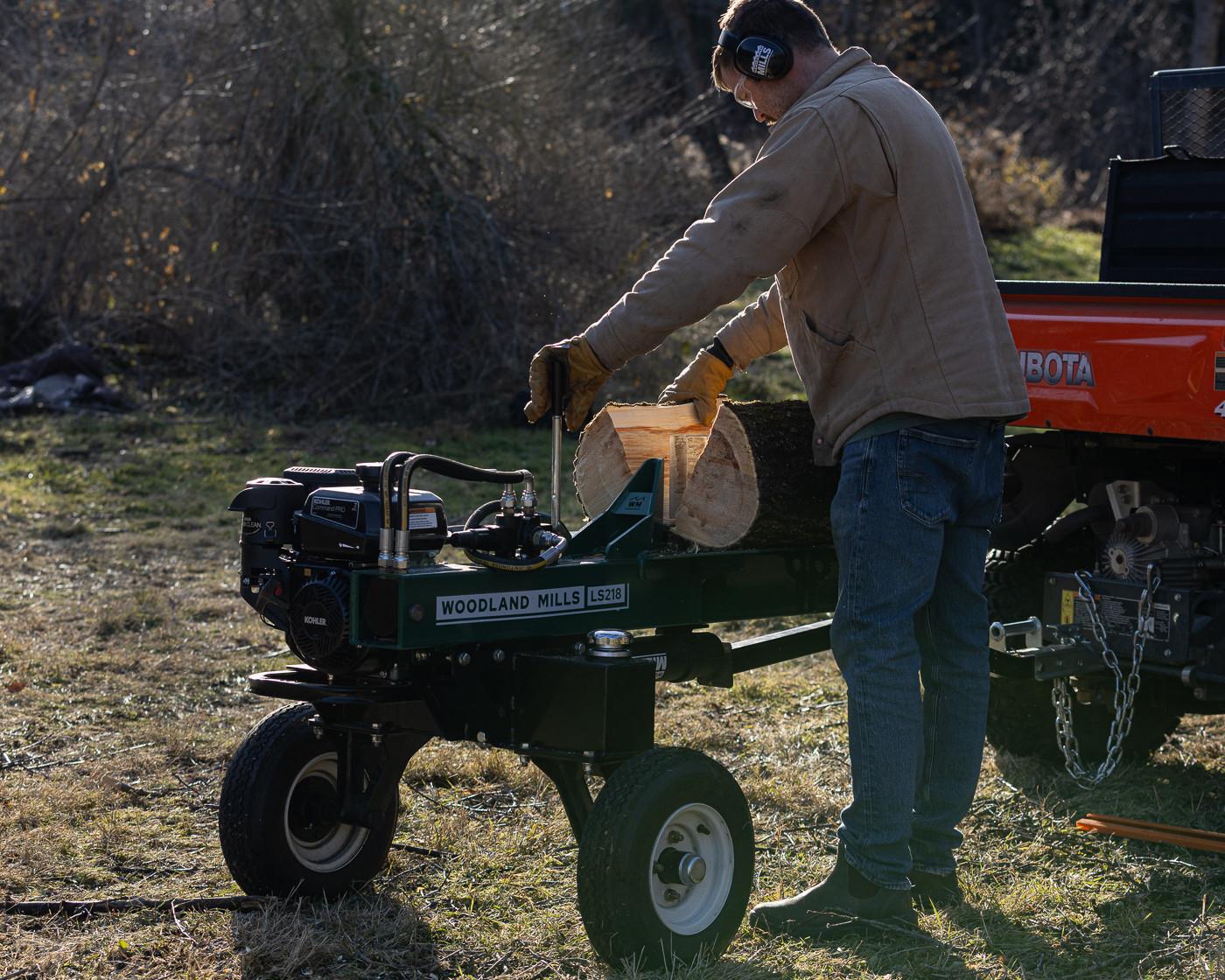
What is a hydraulic log splitter?
A hydraulic log splitter uses a powered wedge to split logs or rounds into smaller pieces suitable for firewood.
There are many different types of log splitters, from commercial firewood processors designed for high-volume production to smaller hydraulic and manually operated splitters.
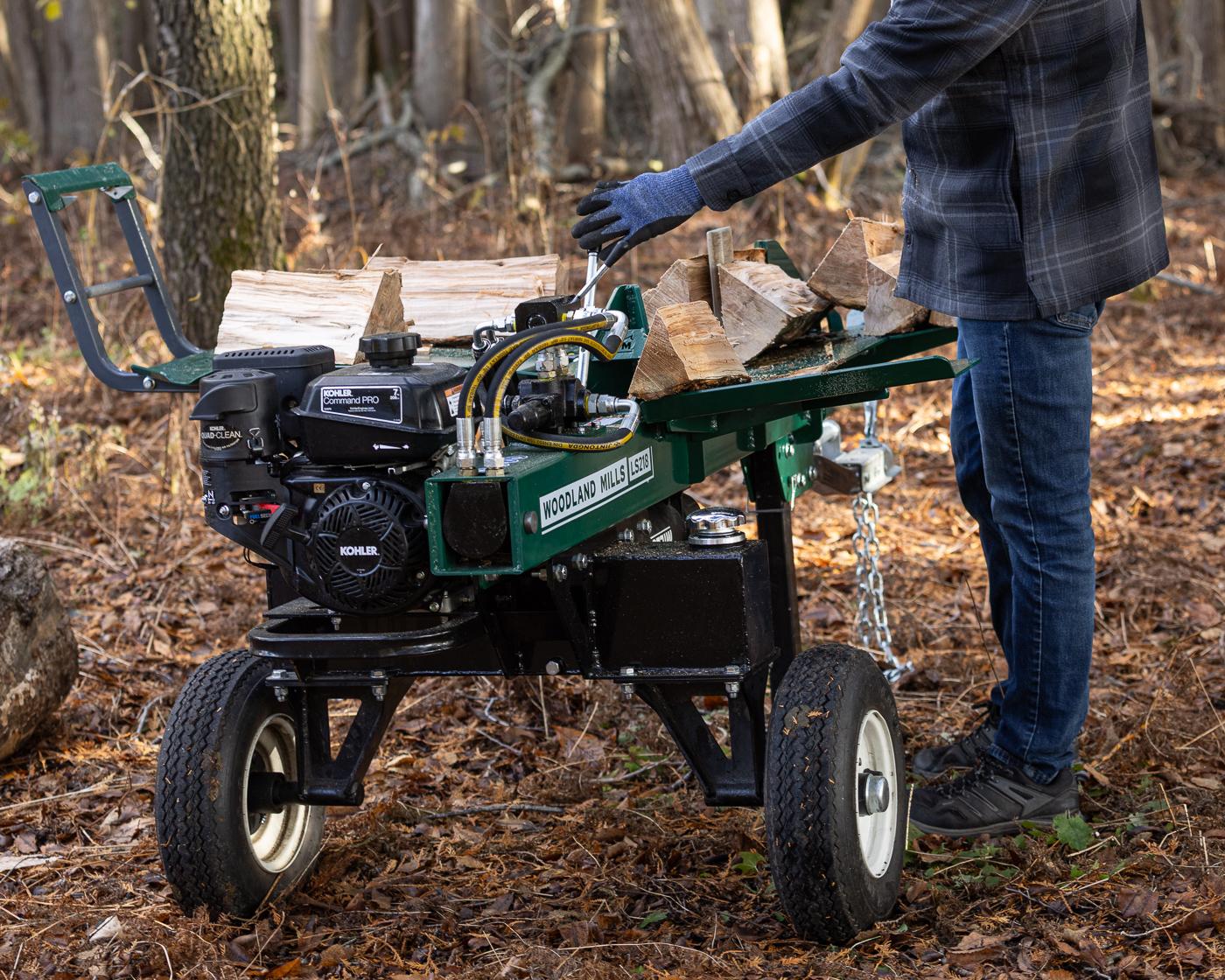
The Woodland Mills LS218 is a 2-way hydraulic log splitter with a wedge that travels back and forth, allowing it to split wood on both the forward and return strokes. Pressurized hydraulic fluid provides the force needed to drive the wedge through the round with consistent, controlled splitting force.
With 18 tons of splitting force and a 7–8 second cycle time, the LS218 is designed for landowners who want to process firewood efficiently without stepping up to larger commercial firewood processing equipment.
What are the reasons for owning a log splitter?
For landowners who regularly process firewood, a hydraulic log splitter can significantly reduce the physical effort involved compared with splitting the same volume manually.
But how much value a log splitter provides depends on what you're using it for.
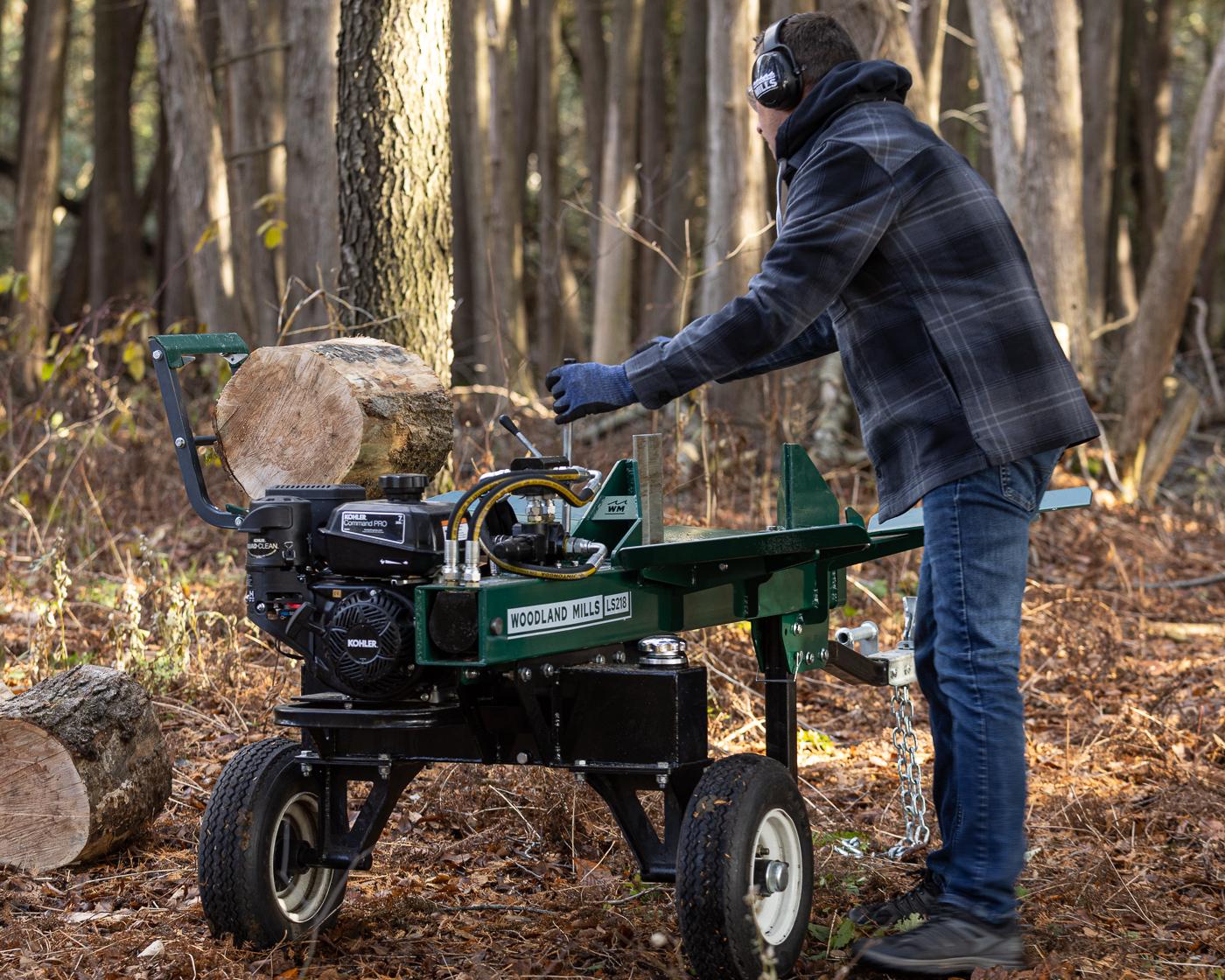
"I want a log splitter for personal use splitting firewood on my rural acreage"
Manual log splitting can be a practical way to process smaller quantities of firewood, but the workload changes when you're trying to build a seasonal or year-round supply.
If you heat with wood, regularly remove trees from your property or process multiple cords of firewood each year, a hydraulic log splitter can help you work through your woodpile more efficiently while reducing the physical effort required to split every round by hand.
The LS218 splits on both the forward and return stroke and has a 7–8 second cycle time, helping keep material moving when you're processing larger quantities of firewood.
The potential return isn't necessarily money coming back into your pocket. For personal use, the value may come from reducing the amount of firewood you need to purchase, getting more use from trees already available on your property, or simply reducing the time and physical effort required to fill your woodshed.
How much that matters will depend on how much firewood you use and what your alternatives would otherwise cost.
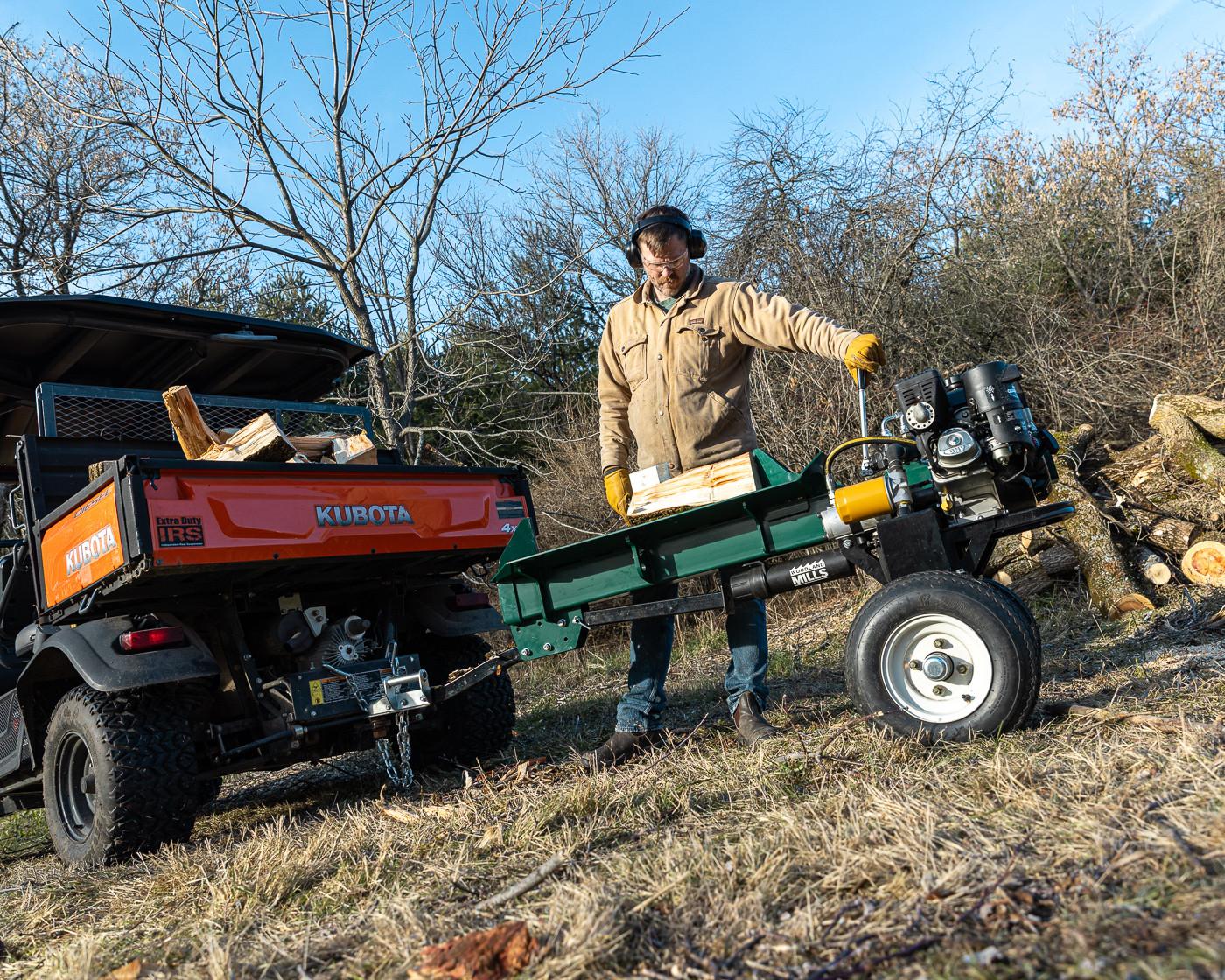
"I want a commercial log splitter for creating a supply of firewood to sell to other landowners"
If you're producing firewood for sale, processing speed and consistency become increasingly important.
A hydraulic log splitter provides repeatable splitting force without requiring every round to be split manually, making it possible to process a larger volume of firewood more efficiently.
The potential return on investment will depend on several factors, including how much suitable wood you have available, how much firewood you can produce, local selling prices, fuel and operating costs, and how much time you spend processing each load.
For landowners already producing firewood for their own use, selling excess firewood can also provide an opportunity to generate additional value from available logs and help offset some of the cost of the equipment.
Accessories can become more important as production volume increases. The optional Hydraulic Lifting Table for the LS218, for example, helps lift larger rounds into position for splitting, reducing the amount of manual lifting required when you're working through a larger pile.
If you're producing firewood commercially, the goal isn't simply maximum splitting force. Think about the complete workflow: moving logs, cutting rounds, getting them onto the splitter, splitting, handling the finished firewood and preparing it for storage or sale.
Is a log splitter worth it?
Whether a log splitter is worth the investment depends largely on how much firewood you process and how often you split.
If you only split a small amount of firewood occasionally, manual splitting may be all you need. If you're processing multiple cords each year, a hydraulic log splitter can significantly reduce the physical effort and time involved.
A hydraulic splitter also provides consistent splitting force, which can be particularly useful when working with larger rounds, dense hardwoods and more difficult grain.
That doesn't mean every round will split the same way. Species, diameter, moisture content, knots, crotches and twisted grain can all affect how easily wood splits, regardless of the splitter's rated tonnage.
For landowners who heat with wood or regularly process logs from their property, the value of owning a log splitter often comes down to three things:
-
-
How much firewood you process
-
How much time and physical effort it saves
-
What you would otherwise spend to purchase firewood or process it another way
-
For someone producing firewood for sale, you can also compare the cost of the equipment and ongoing operating expenses against the revenue generated from the finished firewood.
A log splitter won't automatically pay for itself, but for landowners processing enough wood, it can become a valuable part of turning available logs into a consistent supply of usable firewood.
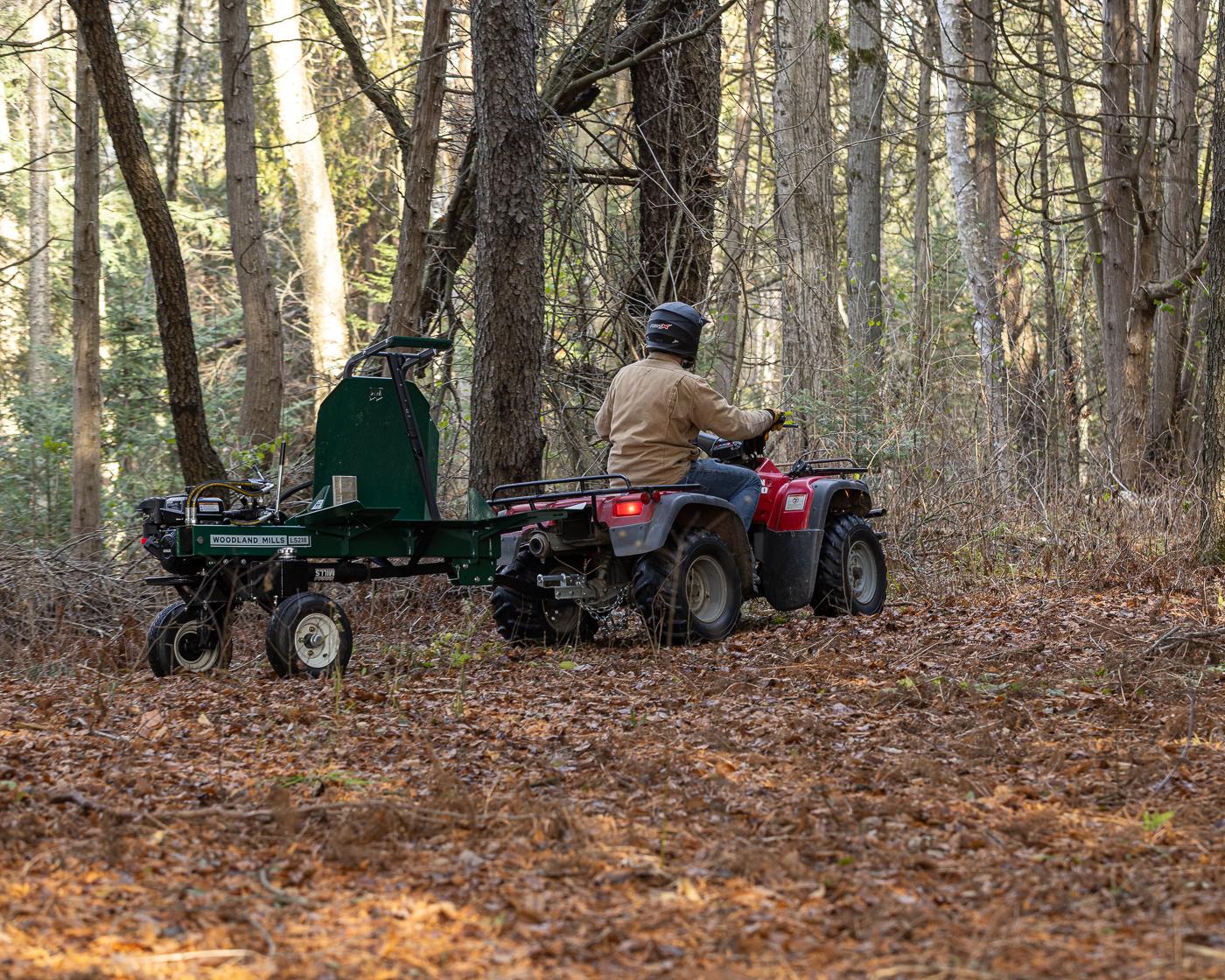
What is the best affordable log splitter for splitting firewood on my property?
The best log splitter isn't necessarily the machine with the highest possible tonnage. It's the one that makes the majority of your regular splitting fast, efficient and manageable.
The Woodland Mills LS218 is designed around that idea.
It delivers 18 tons of splitting force and has a 7–8 second cycle time. Its 2-way wedge splits on both the forward and return strokes, helping keep the splitting process moving without waiting for the wedge to complete an empty return cycle.
That combination makes it well suited to landowners processing a regular supply of firewood without moving into much larger commercial firewood processing equipment.
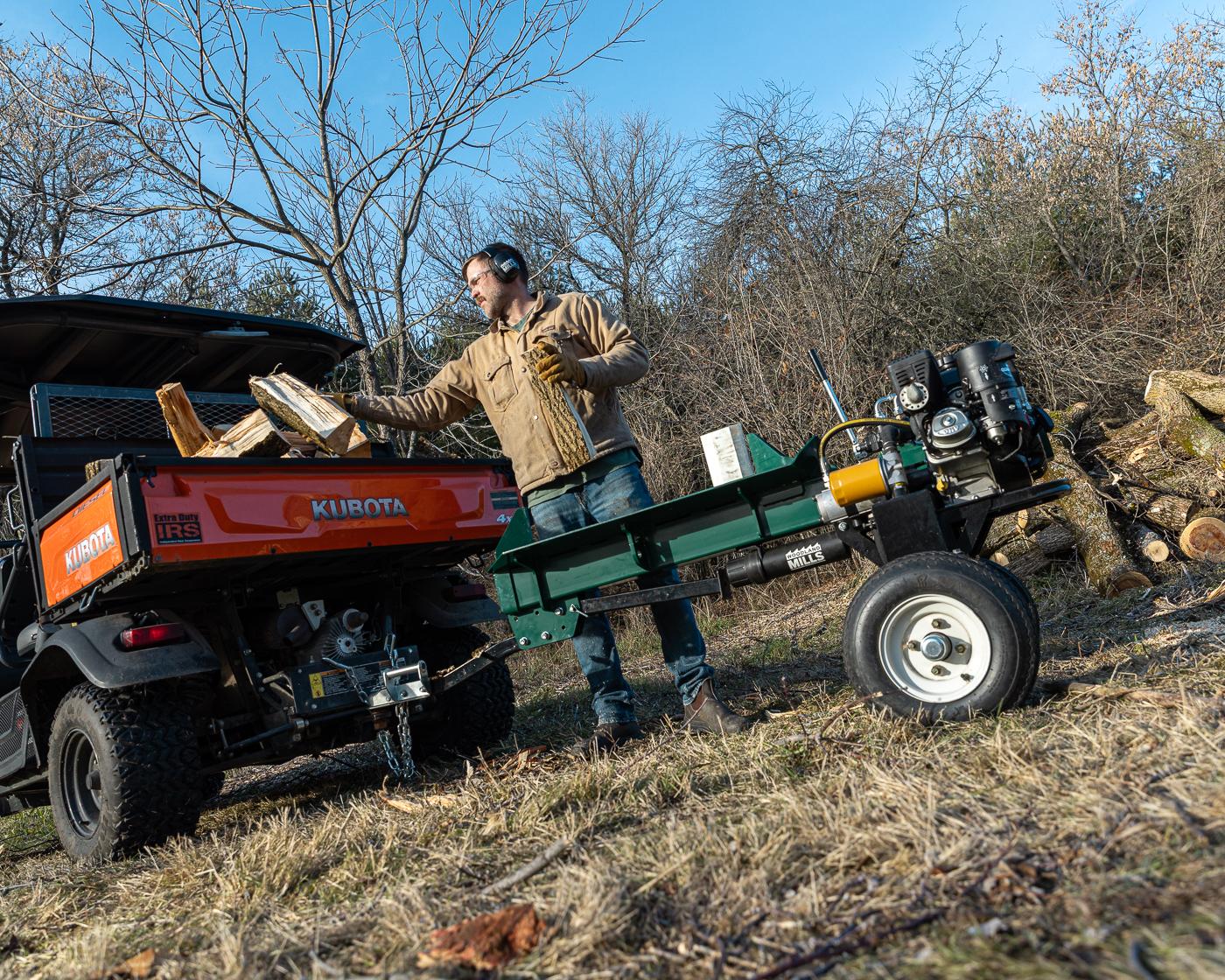
The LS218 can also be moved around a property, allowing you to bring the splitter closer to where your firewood is being processed rather than moving every round back to one permanent location.
Optional accessories can help adapt the setup to the type and volume of material you're handling. The Hydraulic Lifting Table helps raise larger rounds into position for splitting, while table extensions provide additional working area for supporting material during the splitting process.
When comparing log splitters, consider:
-
-
Splitting force
-
Cycle time
-
Maximum log capacity
-
Whether the machine splits in one or both directions
-
Portability
-
How you'll handle larger rounds
-
The amount of firewood you expect to process
-
Most importantly, think about the wood you split most of the time, not just the occasional worst-case round.
How can a log splitter provide a return on investment?
Return on investment can mean different things depending on why you process firewood.
Reducing purchased firewood: If suitable logs are already available on your property, processing your own firewood can reduce the amount of finished firewood you need to purchase elsewhere.
Your actual savings will depend on local firewood prices, how much wood you burn and the costs involved in cutting, splitting, seasoning and storing your own supply.
Saving time and physical effort: Time is another part of the equation.
Splitting a large volume of wood manually takes considerable effort. A hydraulic splitter provides repeatable splitting force and can help you process a woodpile more efficiently.
For many landowners, that time and effort is part of the value of owning the equipment even if they're never planning to sell a single piece of firewood.
Selling firewood: If you have access to suitable wood and a local market, selling firewood can create a direct financial return.
Before treating a log splitter as a business investment, consider the complete cost of production, including your raw material, cutting and handling time, fuel, equipment maintenance, storage, transportation and any local requirements that apply to selling firewood.
The splitter is only one part of the production process, so profitability ultimately depends on the efficiency of the entire operation.
Getting more value from your own trees
Trees removed during property maintenance, storm cleanup or land-clearing projects don't necessarily need to become waste.
Depending on the species, condition and size of the material, suitable sections may be used for lumber or firewood, while branches can be chipped and other woody material can be reused around the property.
For landowners already managing their own trees, a log splitter can be one part of getting more usable material from what the property produces.
FAQ: Frequently Asked Questions
Q: What are the benefits of a gas-powered log splitter for a rural property?
A: A gas-powered log splitter gives you the flexibility to split firewood without needing access to an electrical outlet, which can be particularly useful on larger rural properties, woodlots and remote work areas.
Hydraulic log splitters use pressurized hydraulic fluid to generate the force that drives the wedge through the wood. With a self-contained gas engine powering the hydraulic system, you can take the splitter closer to where your logs are being processed rather than bringing every round back to a power source.
When comparing gas and electric log splitters, consider splitting force, cycle time, log capacity, portability and where you plan to use the machine rather than choosing based on power source alone.
Q: I need a log splitter for dense hardwood species. How much splitting force do I need?
A: There's no single tonnage requirement that applies to every hardwood round. How difficult a log is to split depends on several factors, including species, diameter, moisture content, knots, crotches and grain direction.
The Woodland Mills LS218 delivers 18 tons of splitting force, giving it the power to handle a wide range of firewood typically encountered by landowners, including many dense hardwoods and difficult rounds within the machine's rated log capacity.
Don't base your entire splitter purchase around the occasional worst-case round. Choose a splitter that makes the majority of your regular splitting fast and efficient. Particularly difficult crotches, knots or twisted-grain pieces can be set aside and tackled separately using the appropriate technique.
Q: Is an 18-ton log splitter enough?
A: Splitting force is important, but tonnage alone doesn't determine whether a log will split easily.
An 18-ton hydraulic splitter like the LS218 can handle a wide range of common firewood, but wood species, diameter, moisture content and grain can all affect splitting difficulty. A straight-grained round may split easily while a smaller round with a large crotch or twisted grain can be considerably more challenging.
Rather than choosing a splitter based only on maximum tonnage, consider the size and type of rounds that make up the majority of your firewood.
Q: Is it cheaper to split your own firewood?
A: It can be, particularly if you already have access to suitable logs on your property, but the answer depends on your situation.
Compare the cost of purchasing finished firewood with the equipment, fuel, maintenance and time required to cut, split, season and store your own.
For landowners who already manage trees and use a significant amount of firewood each year, processing their own supply can make good use of material that's already available. For someone who only burns a small amount of firewood occasionally, buying finished firewood may make more sense.
Q: Can I make money selling firewood with a log splitter?
A: A hydraulic log splitter can help you process the volume of firewood needed for a small firewood operation, but owning a splitter doesn't automatically make selling firewood profitable.
Your potential return depends on the availability and cost of raw wood, local firewood prices, production volume, fuel and maintenance costs, your time, storage and transportation.
If you're considering selling firewood, calculate the cost of the entire process rather than looking at splitting speed alone. A more efficient splitting setup can improve productivity, but profitability depends on the complete operation.
Join the Woodland Mills Community Facebook group. Search advice and insights from over 65,000 knowledgeable, supportive members.
- Pre-purchase considerations
- Sawmill set-up support
- Project inspiration photos and videos
- Community troubleshooting support