



How to Choose the Right Log Splitter for Your Firewood
A practical guide to splitting methods, wood types, cycle times and building a better firewood setup
Splitting firewood is simple in theory. Take a bucked round, put it against a wedge and split it down to a size that's easier to handle, stack, season and eventually burn.
How you get there can look very different.
For a small amount of firewood, a splitting maul may be all you need. Start putting away several cords for a home, cabin or cottage, and things change. The size and species of your wood matter. So does how often you're splitting, where you're doing the work and how many times you're handling every piece along the way.
That's why choosing a log splitter isn't simply about finding the biggest tonnage number.
How Much Firewood Are You Splitting?
Start with how much wood you actually need to process.
If you're making kindling or splitting a small amount of rounds for occasional fires, a maul or manual splitter may be perfectly adequate.
There's a big difference, though, between splitting a few pieces and putting away several cords to heat a home through winter. Processing higher volumes of firewood requires precision equipment designed for the task.
As volume increases, efficiency becomes less about making one split easier and more about making the entire job easier.
How quickly can you position the next round? How often are you lifting heavy wood? How much time are you waiting on the machine? And where does every piece go once it's split?
Over a few rounds, those details don't seem particularly important. Over several cords, they add up quickly.
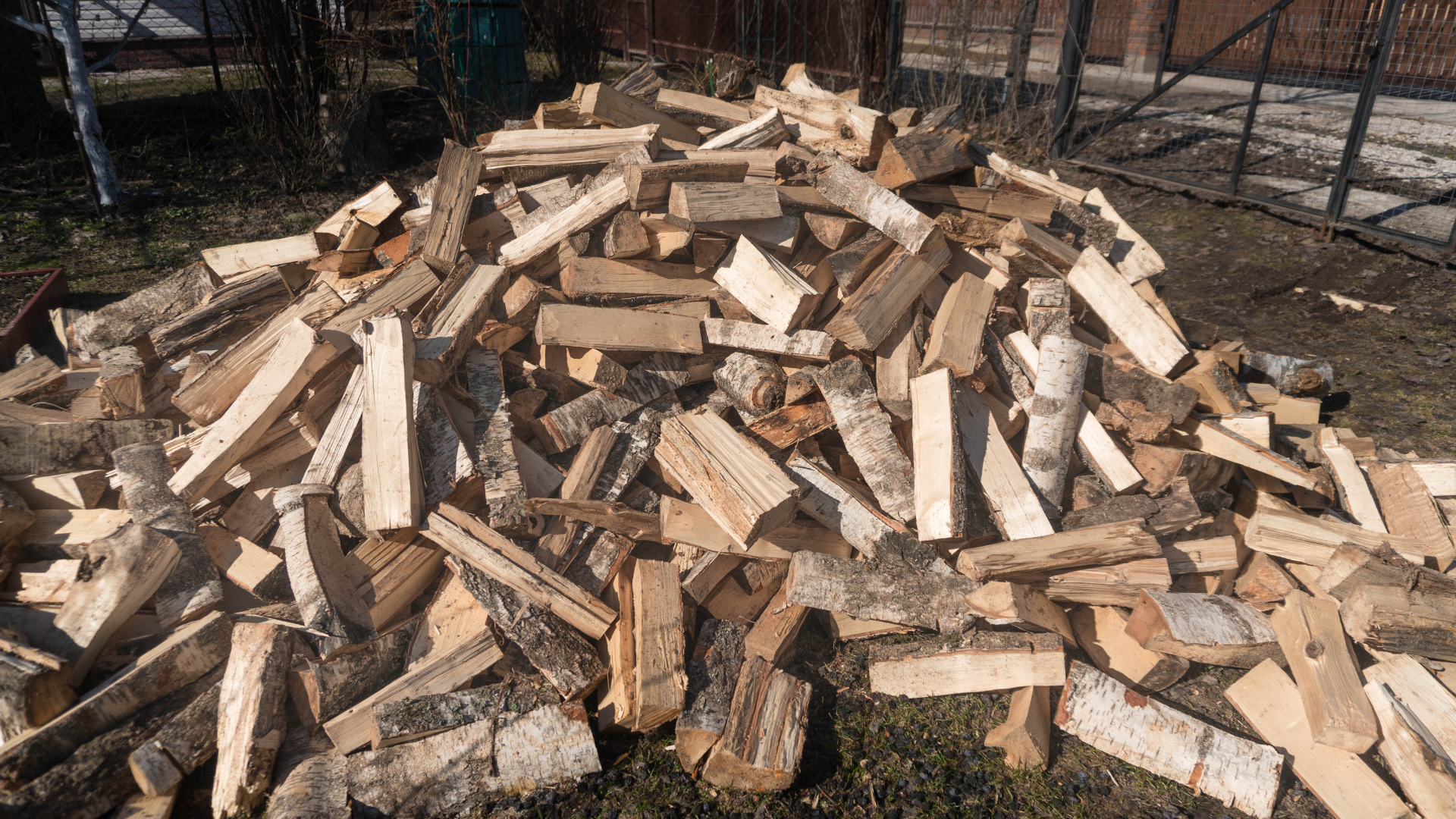
What Kind of Wood Are You Splitting?
Take a look at the woodpile before you look at the splitter.
Straight, clean rounds generally split more easily. Large diameters, dense hardwoods, knots, crotches and twisted grain can be considerably less cooperative.
A landowner working through a mixed woodlot may encounter all of those in the same afternoon.
That's important because different splitting systems deal with difficult wood in different ways. The machine that is exceptionally fast through clean, straight-grained rounds may not necessarily be the one you'd choose for a pile of irregular hardwood.
Think about the wood you process most often and choose a splitter that makes the majority of that work as fast and efficient as possible. Don’t let the occasional knotty, twisted or stubborn round dictate your entire setup. Set those pieces aside, keep the main pile moving, and come back to them with the right technique once the woodshed is full.
What Type of Log Splitter Is Right for You?
-
-
Manual Log Splitters: Axes, splitting mauls, wedges and manually operated splitters are the simplest option. They require little maintenance and no fuel or electricity, but output is ultimately limited by the operator's strength and stamina. For kindling, occasional use and smaller volumes, that may be all you need.
-
-
-
Gas-Powered Log Splitters: A gas-powered splitter brings its own power source with it. For landowners processing wood around a larger property, woodlot, cabin or other remote location, that independence can be valuable. Fuel it up and bring the machine closer to wherever the work is happening rather than bringing every round to the machine.
-
PTO Log Splitters: PTO splitters use the power of a tractor rather than a dedicated engine. For someone who already owns a suitable tractor, that can mean one less engine to maintain. The trade-off is that your tractor becomes part of the splitting setup and is committed to the job while you're processing firewood.
-
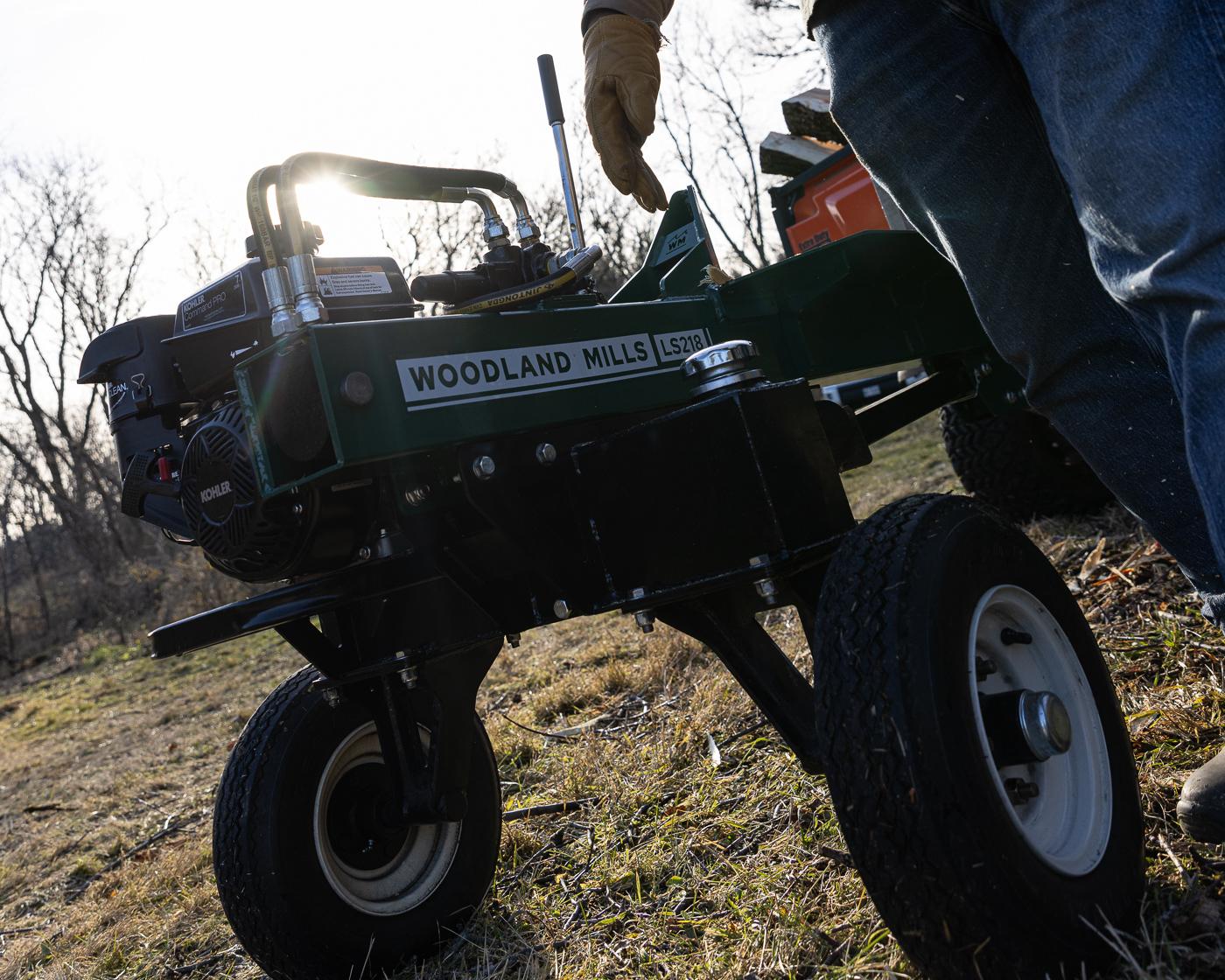
How Much Tonnage Do You Actually Need?
Tonnage is one of the first specifications people look at when comparing hydraulic log splitters. It matters, but bigger isn't automatically better.
The force required to split a piece of wood depends on more than its diameter. Factors affecting required splitting force include:
-
-
Species
-
Moisture content
-
Grain direction
-
Knots and crotches
-
A large, straight-grained round may split surprisingly easily. A smaller piece with twisted grain and a large knot can be another story entirely.
So rather than simply buying the largest tonnage number you can find, think about the most difficult wood you're likely to encounter regularly.
For most landowners, the goal is enough sustained force to work confidently through the range of firewood coming from their property without buying capability they don't actually need.
Why Does Cycle Time Matter?
Cycle time is another common comparison point.
On a conventional hydraulic splitter, the wedge travels forward to split the round and then retracts to its starting position before the next splitting cycle begins.
A faster cycle generally means more potential splits in a given amount of time.
But there's another question worth asking: How much of that cycle is actually doing useful work?
If the wedge has to return home after every split, part of every cycle is spent resetting the machine rather than splitting wood. That's where two-way splitting changes the workflow.
What Is a Two-Way Log Splitter?
A two-way log splitter can split wood as the wedge travels in either direction.
Split one round. Position the next. Split back the other way.
Instead of completing a productive splitting stroke followed by a dedicated return stroke, both directions of travel can be used to process wood.
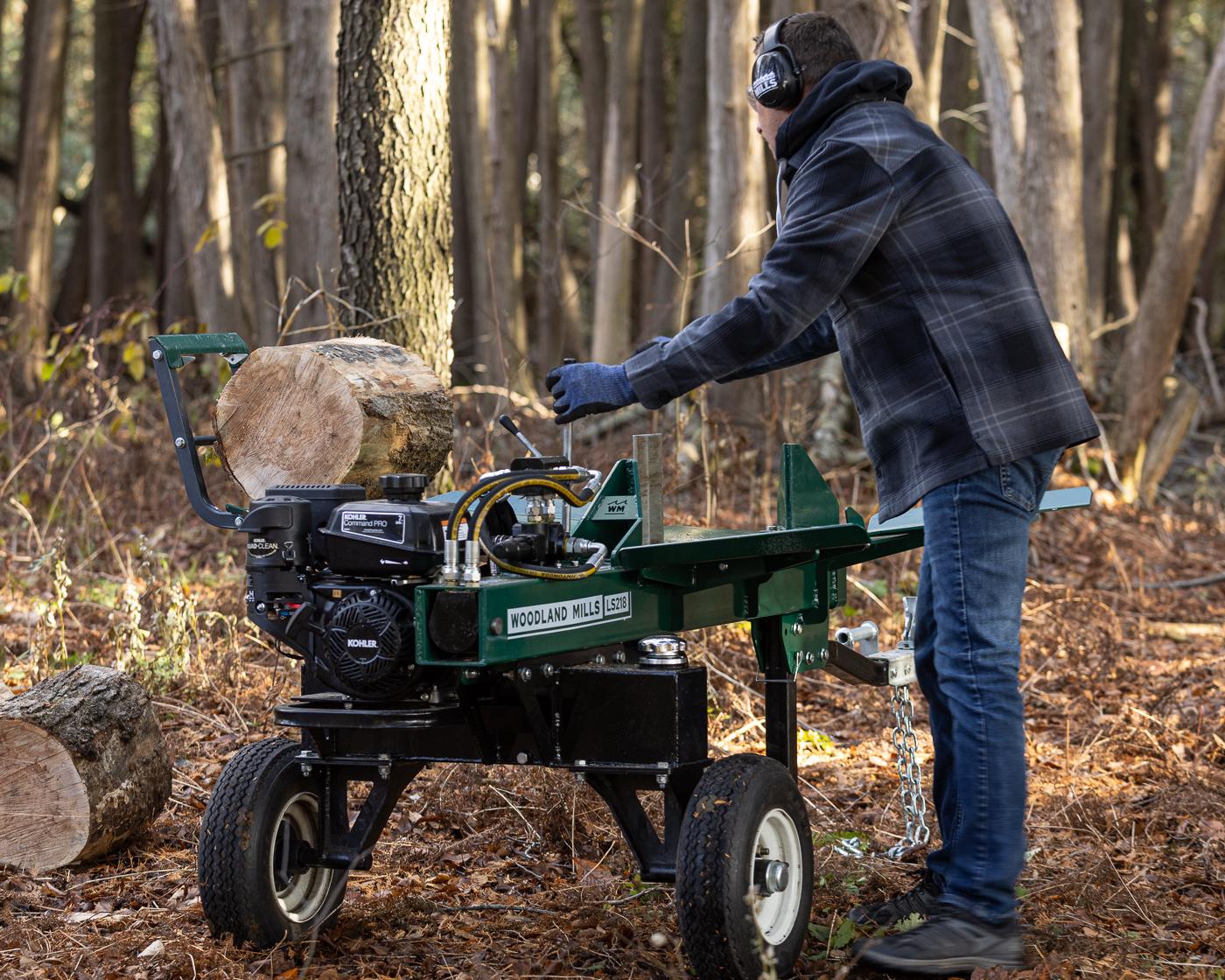
That's the principle behind our LS218 2-Way Log Splitter.
It isn't simply about quoting a faster cycle time. It's about keeping the workflow moving and reducing the amount of time the machine spends travelling without doing useful work.
When you're processing several cords, those small efficiencies start to matter.
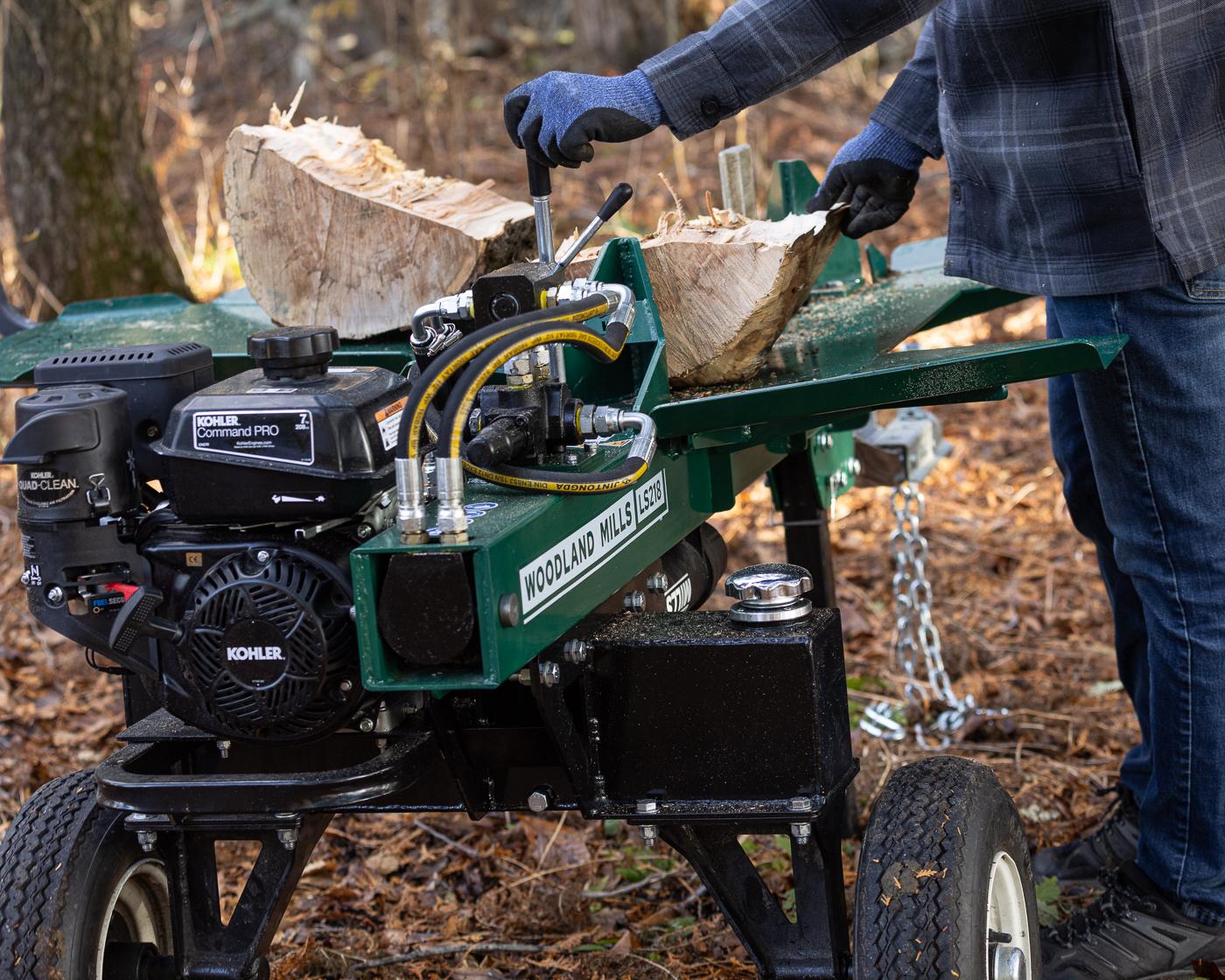
What About 4-Way and 6-Way Wedges?
If two-way splitting is useful, wouldn't splitting a round into four or six pieces at once be even better? Sometimes.
Multi-way wedges can significantly increase throughput when you're processing straight, clean and consistently sized rounds. One stroke can produce several finished pieces instead of two.
The trade-off appears when the wood becomes less predictable. Large, crooked or heavily knotted rounds can require considerably more force when they're being pushed through multiple wedge surfaces simultaneously. For difficult wood, a simpler wedge can sometimes be the better tool.
Again, it comes back to the same question: What kind of wood are you actually splitting?
Match the wedge to the wood rather than assuming more splits per stroke will always mean more productivity.
How Heavy Are the Rounds You're Handling?
Splitting force gets plenty of attention. Log handling deserves just as much.
Before a machine can split a heavy round, somebody has to get that round onto the machine.
If you're processing large-diameter logs, repeatedly lifting rounds from ground level to the splitting table can quickly become one of the hardest parts of the job.
That's why working height, table size and log-lifting options are worth considering when comparing machines.
Our LS218, for example, can be equipped with a hydraulic log lift that brings larger rounds from ground level up to the splitting area mechanically.
Over the course of several cords, reducing lifting and repositioning can matter just as much as reducing splitting time.
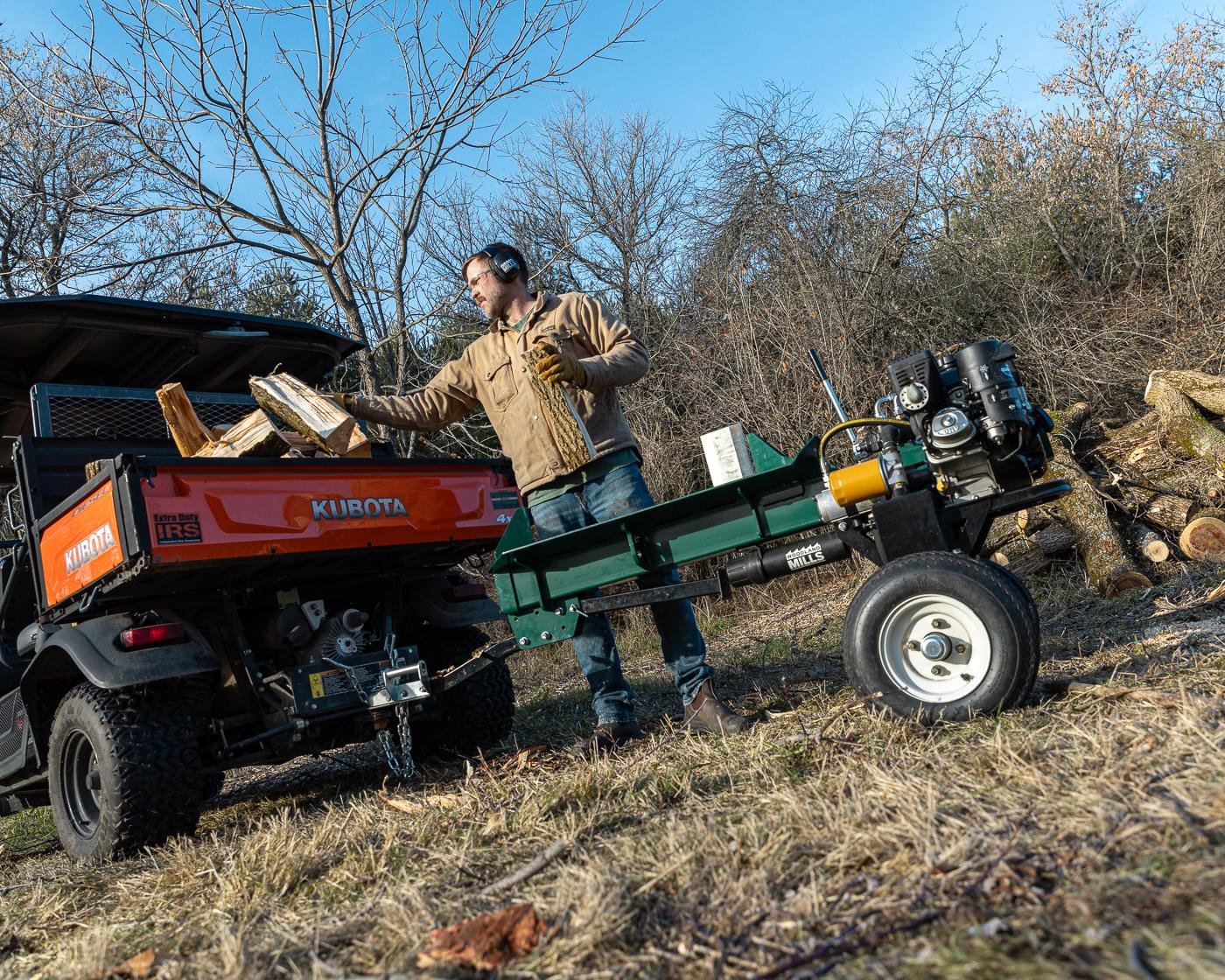
Do You Need to Bring the Splitter to the Wood?
Think about where your firewood actually comes from. Are you always processing beside the same woodshed? Or are you moving between different areas of a property, woodlot, cabin or landing?
A towable splitter gives you the option of bringing the machine closer to the material rather than moving every unsplit round to a permanent processing location.
If towing matters to you, look beyond whether the splitter simply has a hitch. Consider the axle, tires and tow setup. Think about the vehicles you'll use to move it and the terrain you'll encounter around your property.
If public-road towing is part of your plan, requirements vary by location, so always check the regulations where you live before heading onto the road.
Where Does the Wood Go After You Split It?
This might be one of the most overlooked questions when choosing a splitter.
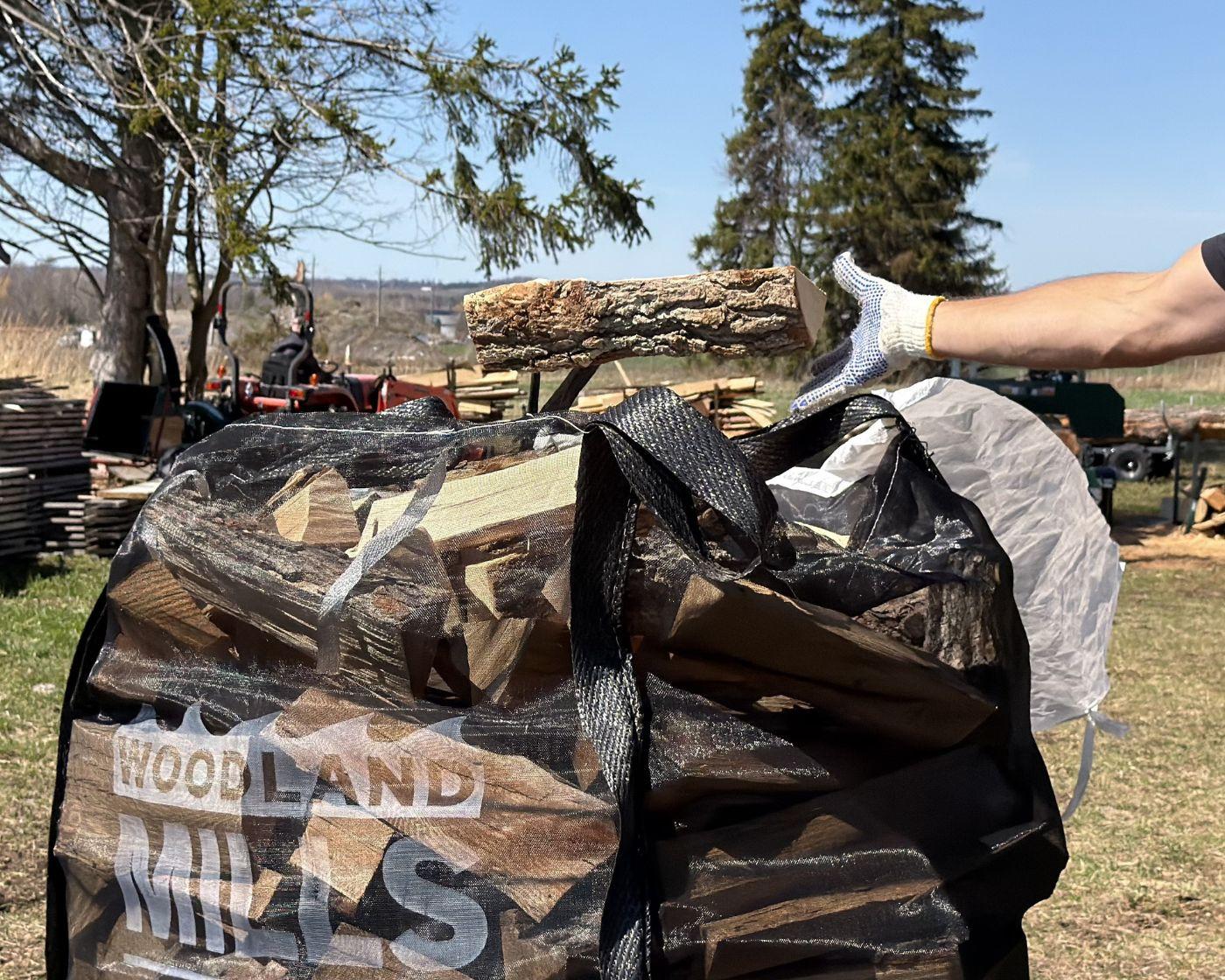
Imagine processing an entire cord of firewood. Pick up a round. Put it on the splitter. Split it. Throw the pieces into a pile. Later, pick those exact same pieces up again, move them somewhere else and stack them.
The splitter may have done its job efficiently. Your firewood setup didn't.
Every time a piece of firewood gets picked up, carried and repositioned, you're adding another handling step.
That's why we like to think beyond the splitter itself.
DON'T JUST SLIT FASTER. HANDLE LESS.
If possible arrange your processing area so the finished firewood goes directly to its next destination:
rather than:
ROUND → SPLIT → PILE → MOVE → STACK
Sometimes the biggest improvement to your splitting operation has nothing to do with splitting force or cycle time. It's simply eliminating a job you were doing twice.
Does Splitting Firewood Help It Season?
Splitting isn't only about making firewood small enough to fit into the stove. It also changes how the wood dries.
A tree-length log has relatively little exposed surface area compared with its overall volume. Bark covers most of the exterior, so moisture has fewer places to escape.
Bucking the log into rounds exposes more end grain. Splitting those rounds exposes the interior of the wood directly to the air.
If you're processing firewood for a future heating season, that means the date the tree came down isn't necessarily the date that matters most.
The seasoning process really gets moving once the wood is bucked, split and given good airflow.
So if the cold weather is coming, getting your wood processed earlier gives it more opportunity to dry before you need it.
What Does a Good Firewood Splitting Setup Look Like?
Bring the logs to a sensible processing area.
Avoid moving heavy material farther than necessary.
Buck consistently.
Consistent firewood lengths make splitting, handling and stacking easier.
Position the splitter around the wood.
Whenever possible, minimize carrying heavy rounds to the machine.
Reduce heavy lifting.
If you're regularly processing large rounds, consider mechanical log handling.
Know where the split wood is going next.
Set up bags, trailers, bins or your stacking area before you start.
Handle every piece as few times as possible.
That's when a log splitter stops being a standalone machine and becomes part of a much better firewood-processing setup.
Why We Built the LS218 the Way We Did
Many of the decisions behind the LS218 come back to those same considerations.
We chose a hydraulic system to provide steady, sustained splitting force through the mixed hardwoods, knots and irregular rounds landowners encounter in the real world.
We use a two-way splitting design so both directions of wedge travel can do productive work.
A hydraulic log lift is available because getting a large round onto the splitter shouldn't be harder than splitting it.
And the splitter is designed to be moved around the property so the machine can go closer to where the work is happening.
Individually, those are product features. Together, they're about something much simpler: Making the entire job of processing firewood easier.
See the LS218 in Action
PRODUCT WALKAROUND — Take a closer look at the LS218 and how its two-way splitting system, controls and log-handling features work together.
REAL-WORLD FIREWOOD — See the LS218 being used as part of a real firewood-processing setup.
PUT TO THE TEST— Watch the LS218 work through different species, sizes and splitting conditions.
Get Ready for Firewood Season
Whether you're putting away a few loads for the cottage or preparing enough firewood to heat your home through winter, the goal is ultimately the same.
-
-
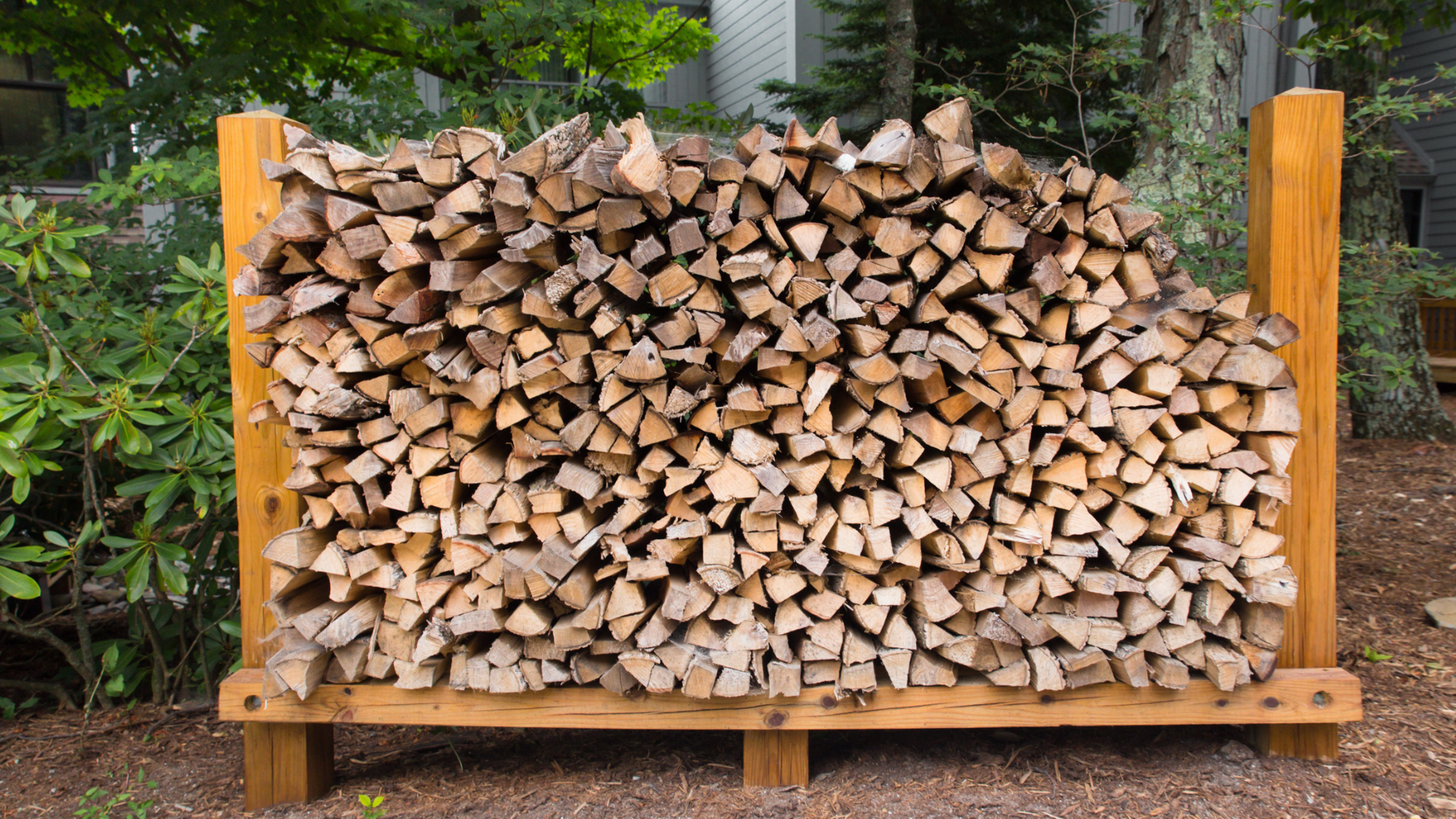
Get the logs cut into consistent rounds.
-
Get it split.
-
Get it drying.
-
And handle it as few times as you can along the way.
-
The right log splitter should help make that entire process easier.
Join the Woodland Mills Community Facebook group. Search advice and insights from over 65,000 knowledgeable, supportive members.
- Pre-purchase considerations
- Sawmill set-up support
- Project inspiration photos and videos
- Community troubleshooting support