



How to Make Thin Wood Sheeting at Home
Find out how to make thin wood sheets for your DIY projects
Cutting your own thin wood sheets isn't too difficult, and can give you a great resource to use in your future projects.
Not quite as thin as veneer, thin sheeting can be used for various purposes, from tabletop surfaces to basic construction.
Milling a thin sheet with your portable sawmill may seem difficult, but let's get into the benefits of making your own thin sheeting and how to do it yourself.
What's the difference between veneer, thin wood sheeting and plywood?
Veneer is a flexible sheet of wood, commonly used in past decades to give furniture, walls and appliances a wood grain aesthetic. It's fallen out of popularity in recent years, but still has practical applications in some woodworking projects.
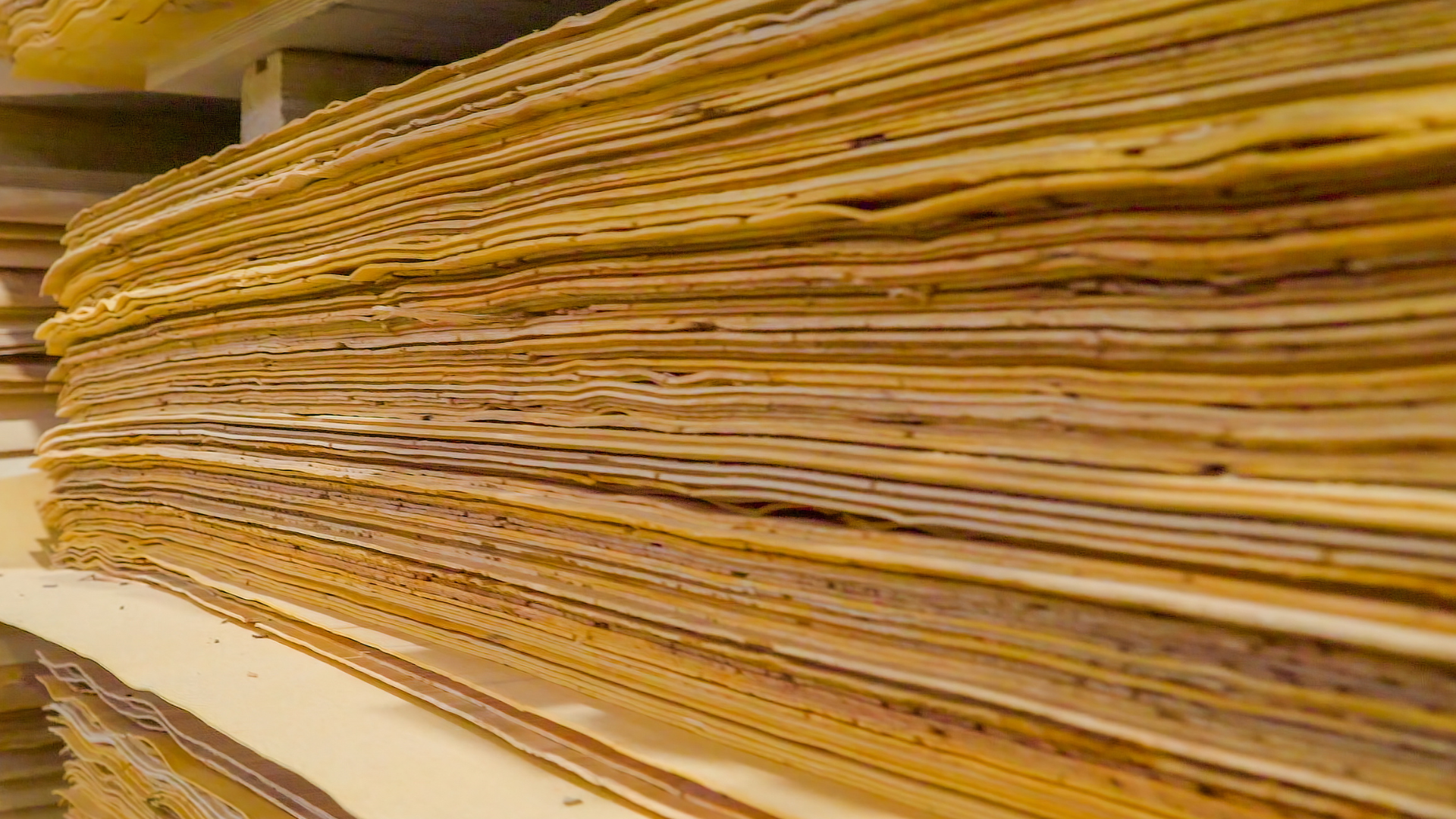
Nowadays when people are looking to do thin wood, they're often looking at a solid wood piece that's a bit thicker and more rigid than veneer.
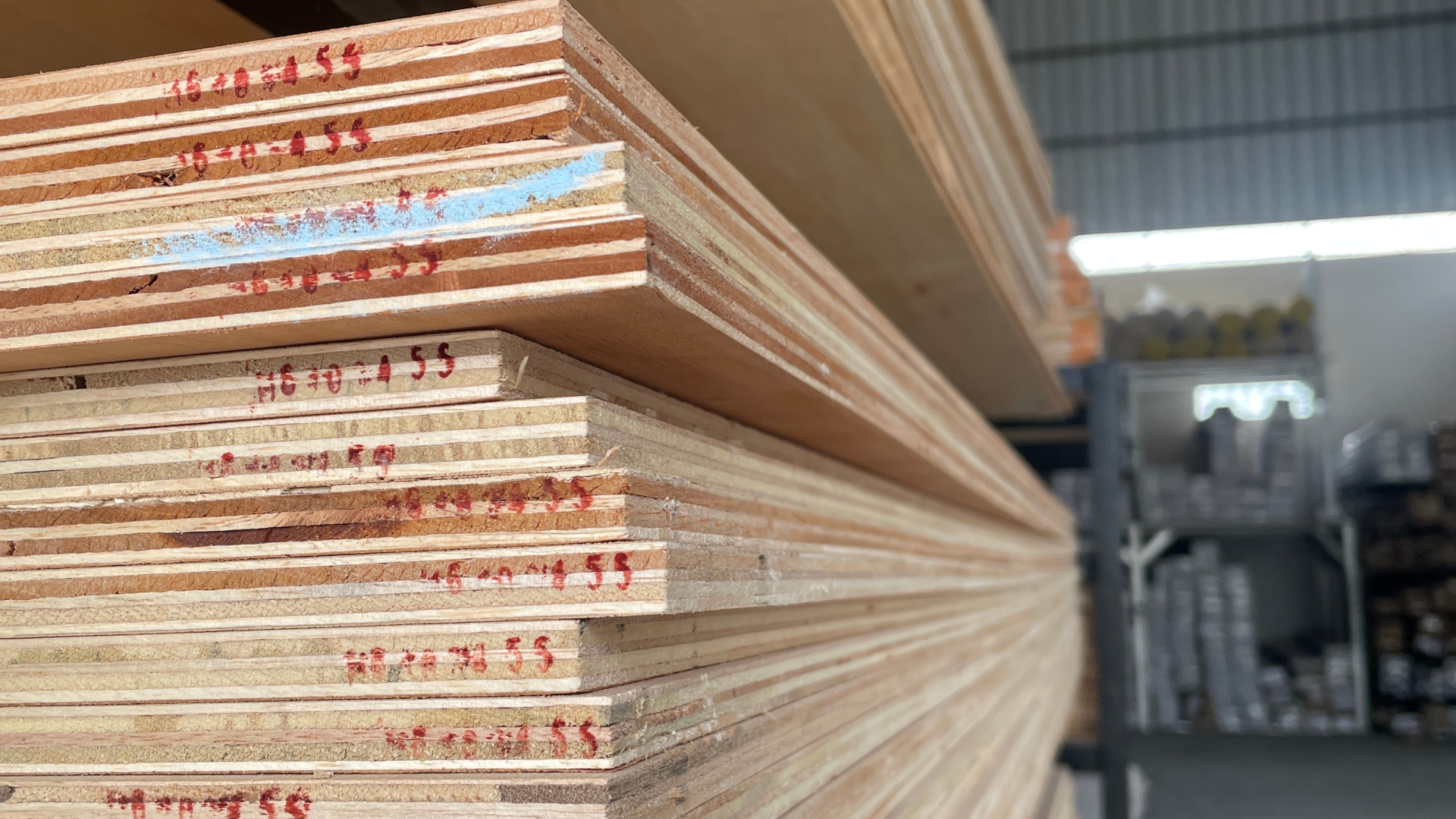
Plywood is made of a number of thin sheets of wood glued together. This creates a firm bond and can provide more structural integrity than a single pieces of wood, depending on the application. Marine plywood meanwhile is just plywood that's been treated to prevent moisture damage and rot.
What are the practical uses for thin sheets of wood?
There are plenty of woodworking jobs where a thin sheet of wood is used, such as tabletops or protective exterior layers of projects. Many commercial products use a cheaper material on the inside, such as MDF or chip board, then decorate it with a thin layer of wood to make it look more authentic.
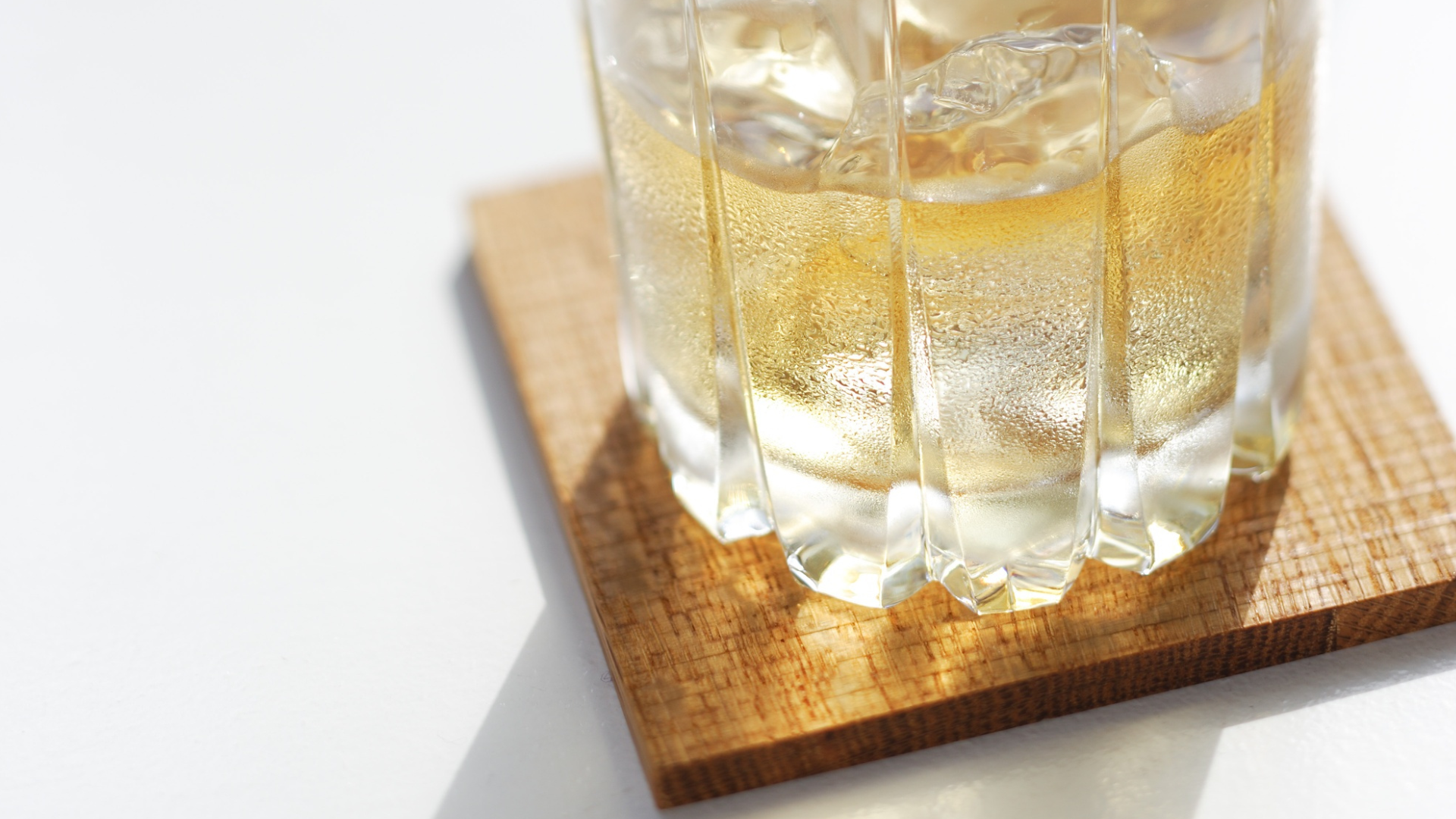
Another major application comes from laser engravers, as the technology has let small DIYers and creators the chance to make custom engraved wooden business cards, coasters and other small crafts.
People who do laser cutting also have a lot of freedom to cut custom shapes out of thinner wood sheets too.
What thickness should I mill my wooden sheets if I want them thin?
That will depend on the project, but many woodworkers and carpenters would consider any wooden sheet less than a half inch to be "thin."
You may want to do a half inch or 5/8" for projects that aren't glued or attached to a larger structure, such as poster boards or coasters. But for thin wooden sheeting that will be attached to a larger project, like a tabletop or desk, then you can safely mill it around 1/4".
Should I kiln dry my wooden sheeting?
For most projects you probably don't need to focus on making kiln dried wooden sheeting. These sheets will quickly dry normally due to their lack of volume, plus most crafters and woodworkers cut these sheets for use right away.
If you are doing laser cutting or engraving, it's preferred you dried wood since fresh, green wood has too much moisture and can cause inconsistent results.
If you're considering kiln drying, you probably don't need to let them sit for more than a couple months, since there's not a lot of mass to retain moisture.
How do I mill my own thin sheeting from a slab or cant?
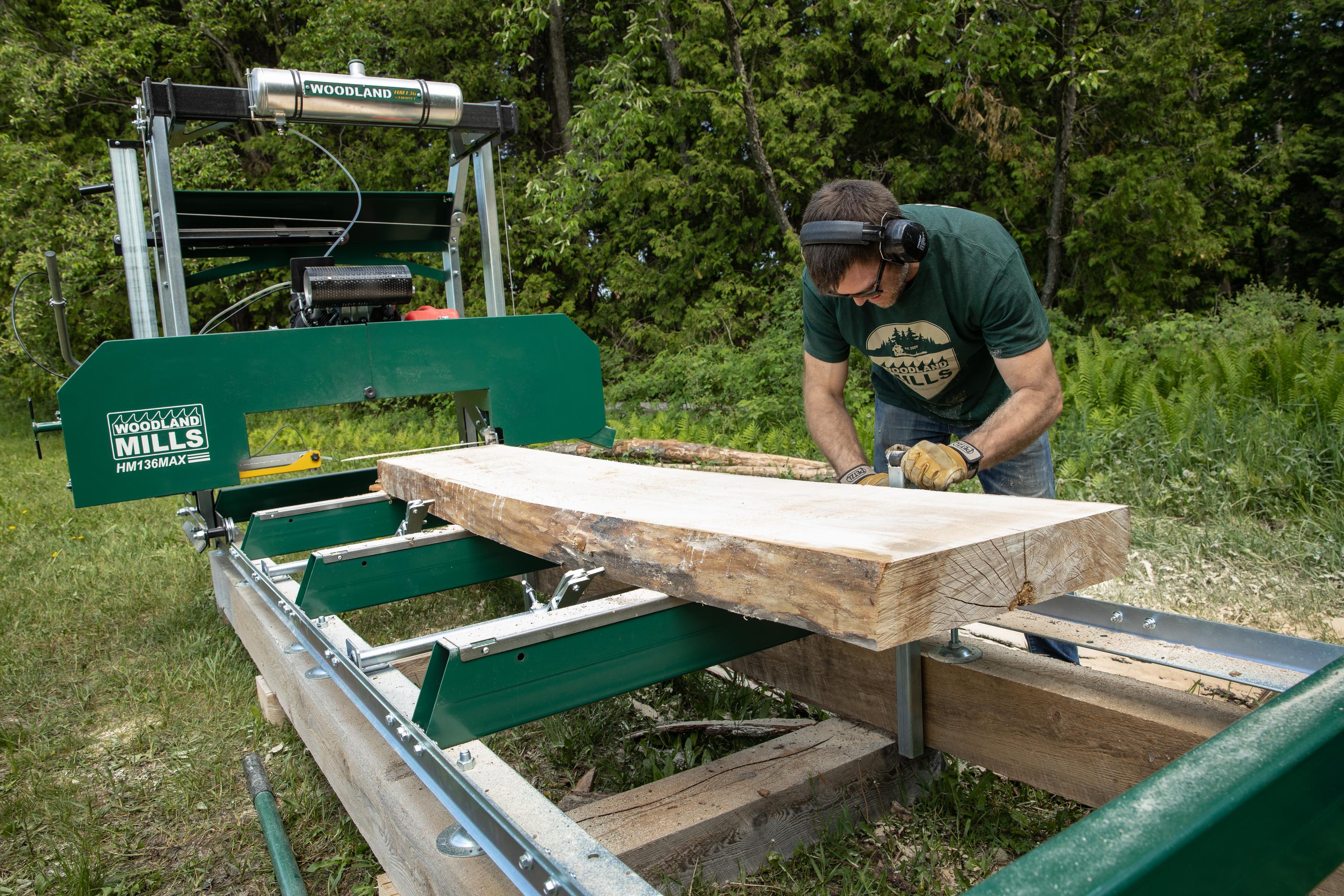
Owning a portable sawmill gives you a lot of freedom to create your own dimensions of lumber. Your sawmill's magnetic log scale will help you mill down to 3/4", but if you want to go any thinner than that you'll need to eyeball it.
Line up your sawmill and raise or lower the sawhead to roughly where you want it. It may be helpful to bend down and look at the placement of the sawblade in relation to the log head on, so that you can visually confirm its placement. If you want more precision, you can always use a tape measure and mark the log where you want to cut it, to give you a reference point.
In summary: Tips for making thin wood sheeting
What else do you need to know about making thin sheets of wood?
-
-
Be careful when handling these pieces as they're more delicate and fragile than traditional nominal sizes of lumber.
-
If you're struggling to cut the right dimensions, you can always do a trial-and-error approach. Start slightly smaller than the dimensions that you want and then lower the saw head slightly with each pass until you have the thickness you want.
-
If you're drying your wood sheets, remember to sticker them so air can flow between the sheets for consistent drying.
-
SHOP SAWMILLS
HM122
An entry-level sawmill packed with impressive features at a budget-friendly price. Designed for hobby sawyers or woodworkers looking for an economical solution to mill lumber.
HM126MAX
The original Woodland Mills portable sawmill. Trusted by hobbyists for years, now featuring a FULLCUT™ sawhead to maximize usable cut width.
HM130MAX®
A wide capacity sawmill that produces stunning high-value live-edge boards. Loaded with features including our FULLCUT™ sawhead, RapidChange® blade system, auto lube, and more.
HM136MAX™
The ultimate solution for cutting wide live edge slabs, perfect for tabletops, counters, benches, and more. Our unique FULLCUT™ sawhead design ensures your logs' widest assets are left intact.
Join the Woodland Mills Community Facebook group. Search advice and insights from over 65,000 knowledgeable, supportive members.
- Pre-purchase considerations
- Sawmill set-up support
- Project inspiration photos and videos
- Community troubleshooting support