



A Guide to Pine Tree Trimming
What's the best time to prune a pine and what are the proper practices? Let's find out
Pine trees are great because they grow year-round, they're sturdy building materials and they're pleasant to have around your property.
And managing them should be easy. Pruning pines should be an infrequent but simple experience that you can fit into your seasonal property maintenance.
Let's go over the basics of how to prune a pine.
How fast do pine trees grow?
While it depends on the species of pine tree, pines can grow a one to two feet every year with the right conditions, like proper moisture, nutrient rich soil and the right temperature.
Under the best conditions, or with some larger species, they can grow up to three feet per year.
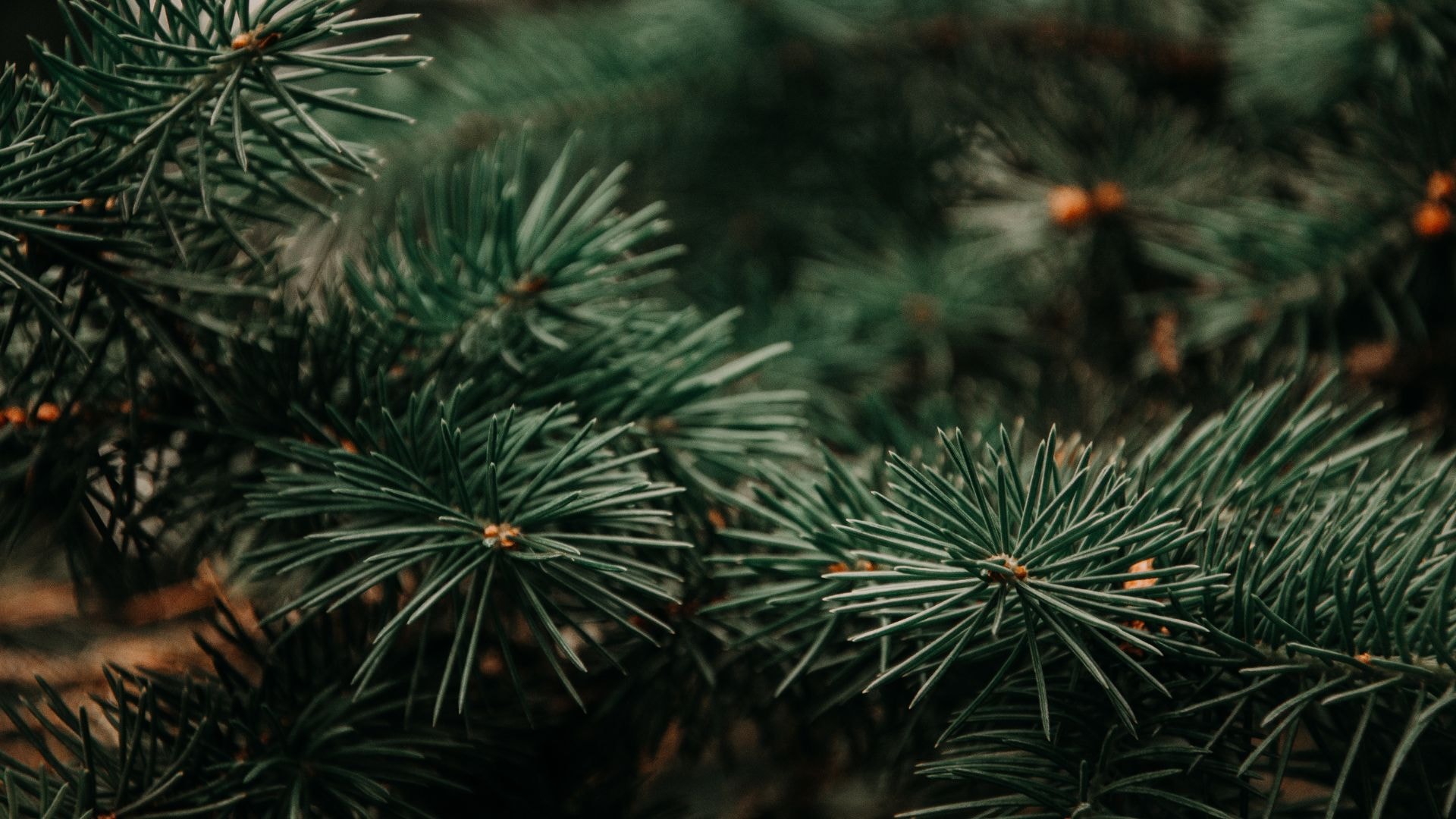
Why do I need to prune my pine trees?
The most common reasons for trimming pine trees are if the branches are coming close to a utility line or your home, or if a branch has died and it becomes a safety hazard.
You can also prune lower branches to encourage upward growth, but care should be taken as trimming too many branches can harm the overall health of the tree. Some people also like to prune for aesthetic reasons so their trees are uniform and clean looking.
Another reason to prune is to help the growth of nearby trees or shrubs, as the dense pine needles can block out the sun and overcrowd other species.
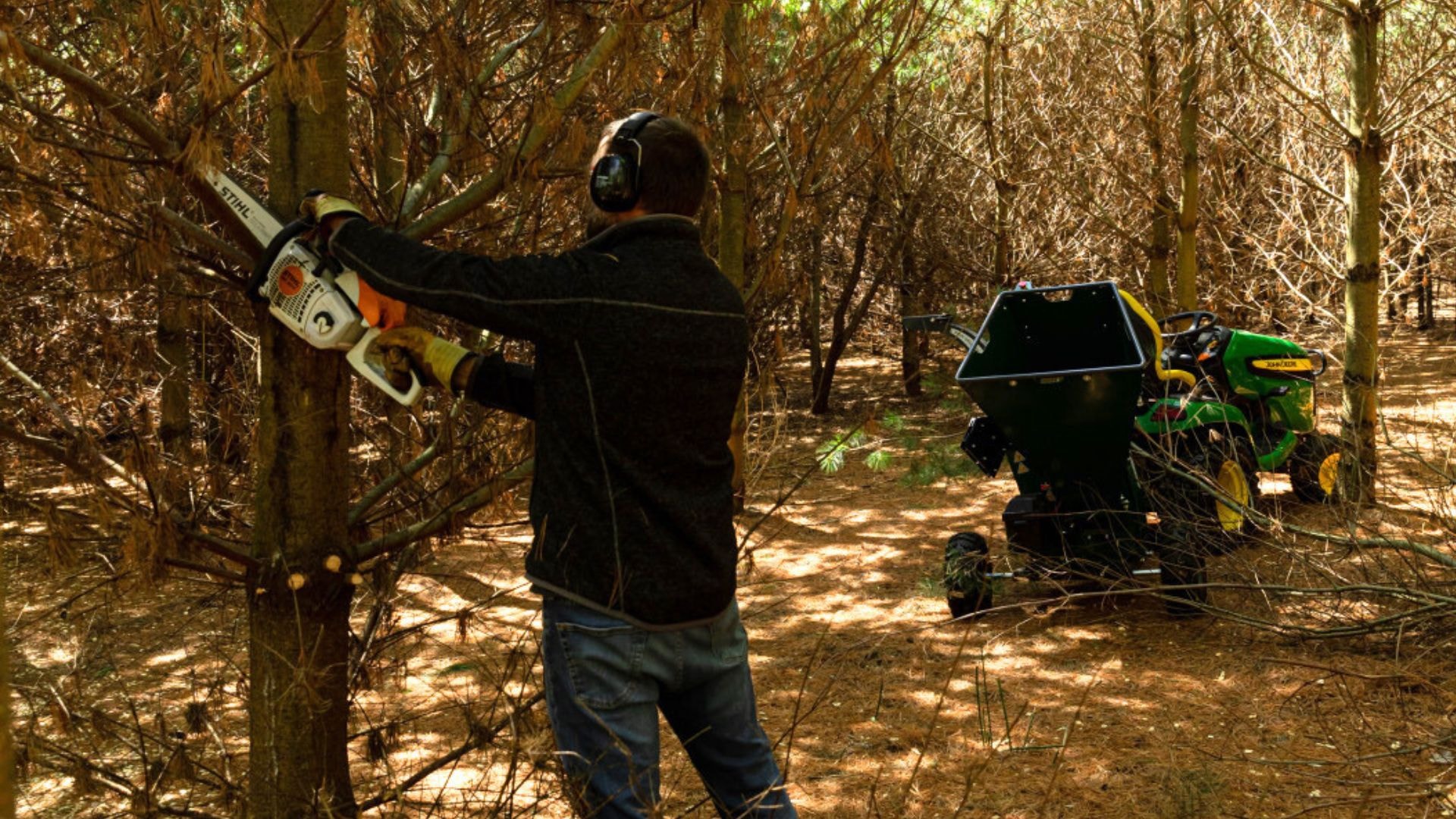
Why is it important to be able to manage your own pine trees?
Pine trees are a common softwood species in North America, and pine forests can be a useful resource for many landowners. Not only do they look beautiful, but the lumber they produce is incredibly versatile. Some pine species also produce edible pine nuts, although not all species are commonly harvested for them.
For landowners with wooded acreage, having the skills and equipment to trim, maintain and harvest trees can provide greater control over how the property is managed. That might mean processing fallen or diseased trees, maintaining trails and wooded areas, producing your own lumber or wood chips, or selectively managing trees as part of the long-term health of your forest.
Becoming an independent landowner
For many people, part of owning rural acreage is having the ability to take on more work themselves. Building the skills and equipment needed to manage trees and wooded areas can reduce your reliance on outside services and help you make better use of the natural resources available on your property.
How often should I trim a pine tree?
If your pine tree is healthy, achieving optimal growth and there aren't any diseased or dead branches then there isn't much reason to prune your pine tree.
If you do need to shave down some branches because the tree is getting too big, then once every year or two go in and prune the troublesome branches. The tree will continue to grow but you can push back its growth if the branches are coming to close to your home, driveway or other trees.
Once every year or two just use your pruning and trimming equipment to snip off the ends of any branches, or remove full limbs, that are causing problems. Just be conservative with how much you're trimming.
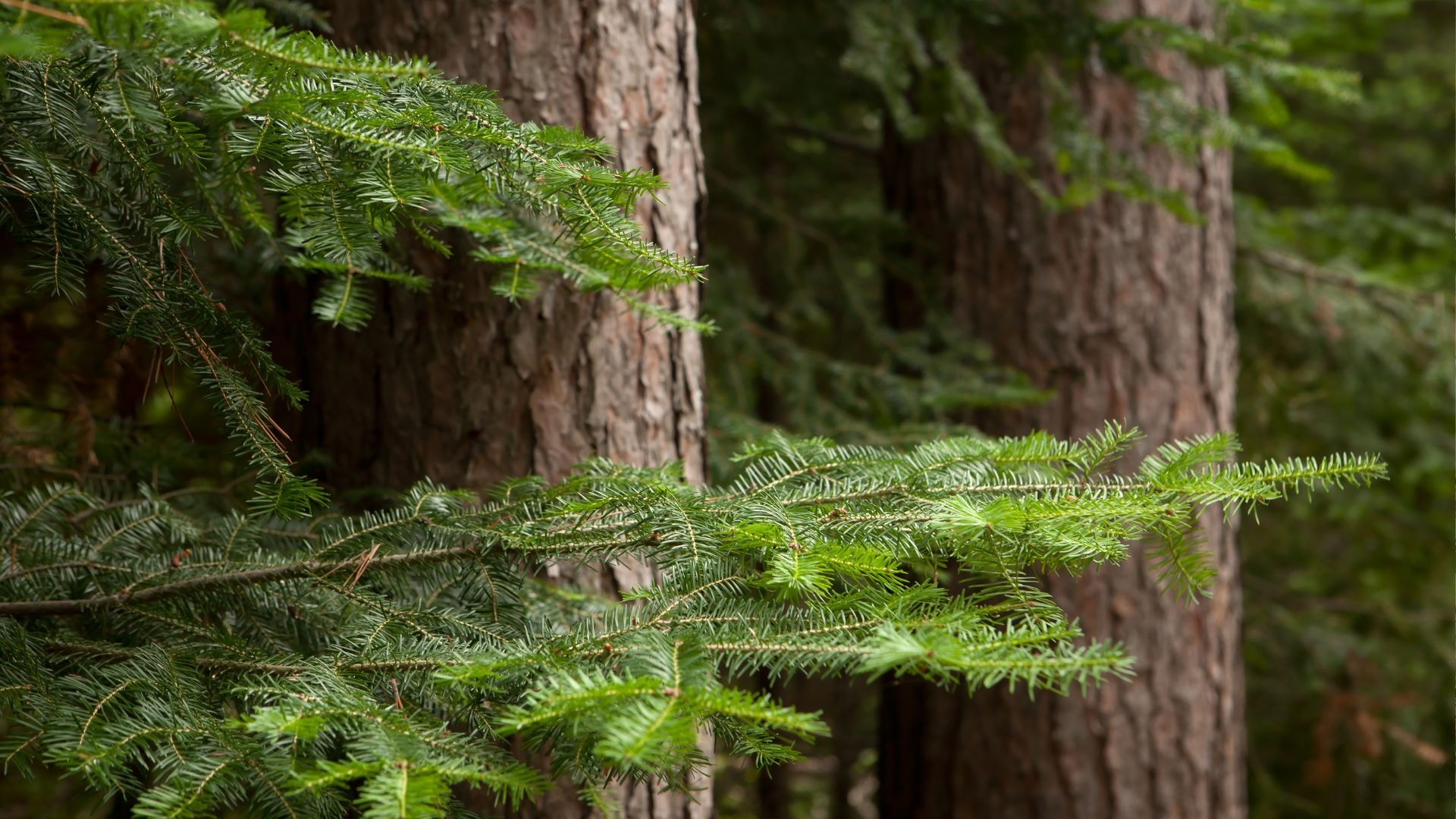
What's the best time of year to prune a pine?
For most pine trees, late winter through spring is a good time for routine pruning, with spring being particularly useful if you're managing new growth. Dead, damaged or hazardous branches can generally be removed when needed. The ideal timing can vary by pine species, climate and local pest or disease concerns, so consider local conditions before undertaking major pruning.
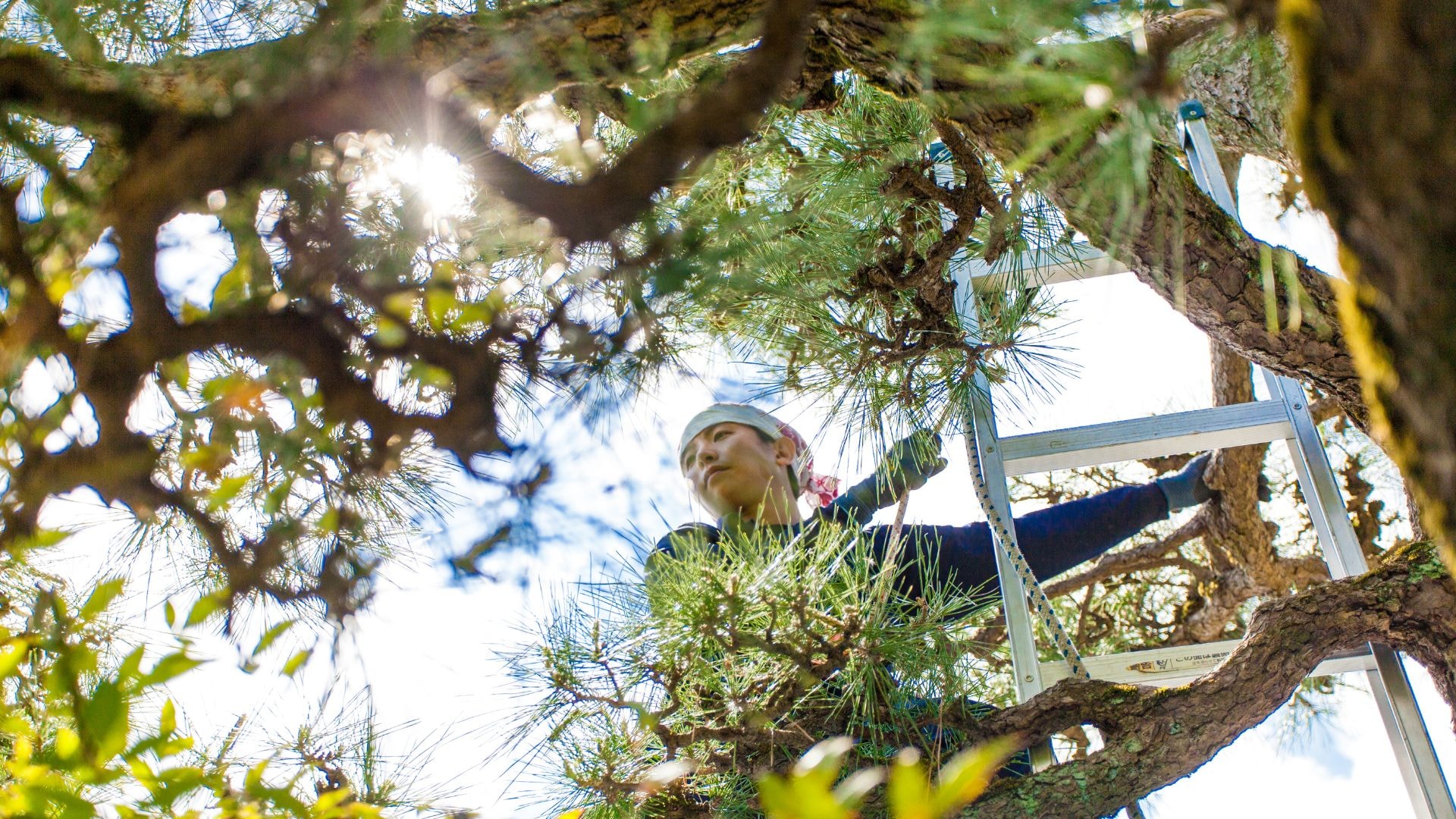
How do I trim pine tree branches?
Just take your pruning or trimming equipment and cut off the ends of any branches which are growing too far. Make sure you make clean cuts and don't trim too many branches or you could harm the overall health of the tree.
Dead branches can also be removed when pruning. Signs of a dead branch can include a lack of live needles or buds, brittle twigs and dry wood beneath the bark. If you're unsure about the health of a large branch, or if it poses a safety risk, consider having it assessed by a qualified tree-care professional.
What do I do with pine tree branches?
Pine tree branches are incredibly useful, not just around your home and garden but also as seasonal decorations.
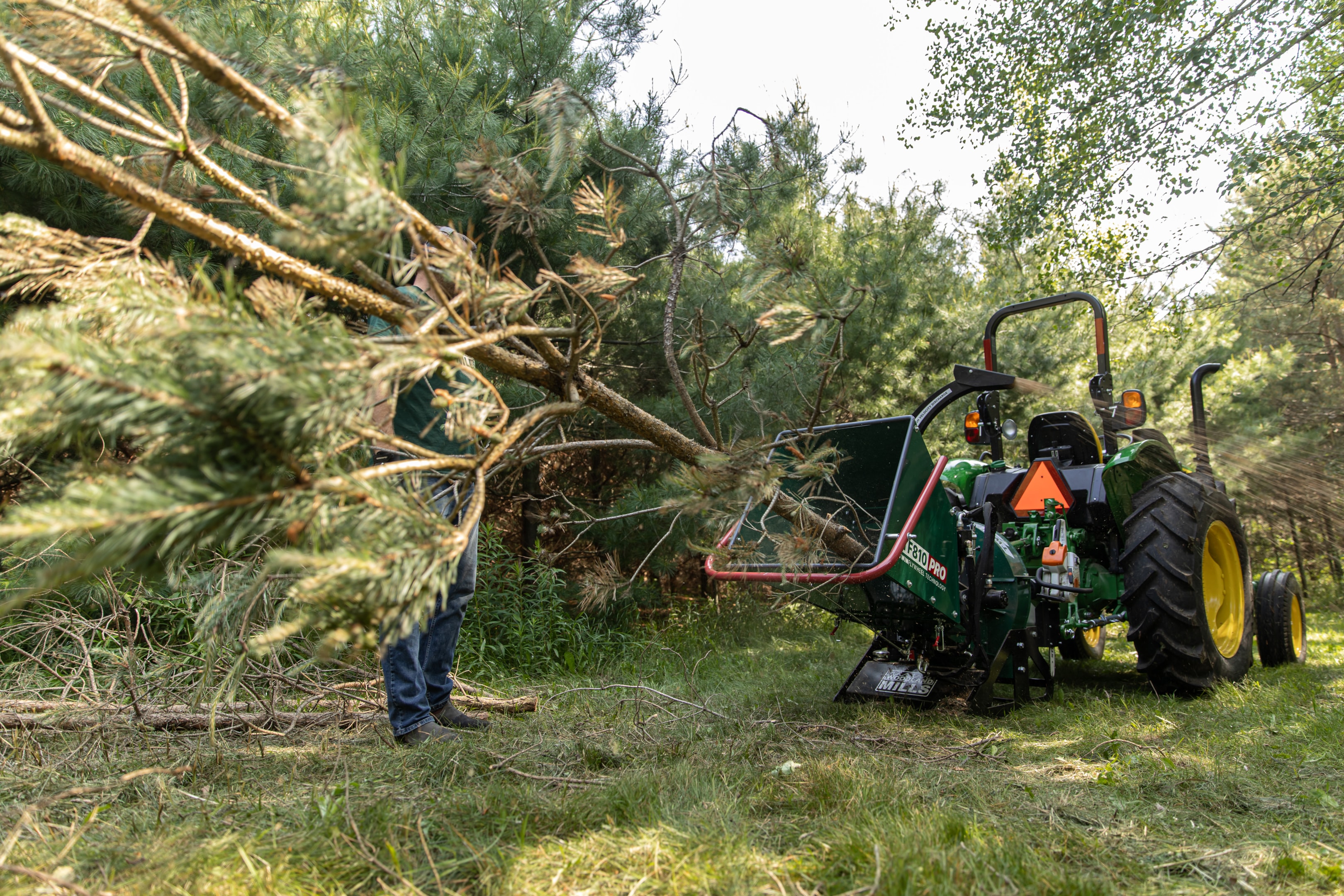
If you own a wood chipper you can chip them up into a pile of wood chips and use them in your garden or let them sit and turn into mulch. If you own a chipper with Woodland Mills' patented Twin Flywheel technology like the TF810 PRO then you can easily chip fresh, green branches right after pruning.
Pine chips can work well as surface mulch around trees, shrubs, pathways and garden areas, helping suppress weeds and retain soil moisture. As with other fresh wood chips, it's generally better to use them on top of the soil rather than mixing large amounts directly into garden soil.
You can also keep the branches and use them as decorations around the holidays. Put a few branches in a planter and tie a ribbon around them and you can feel the seasonal warmth radiating out of them.
Does pine make for good wood chips?
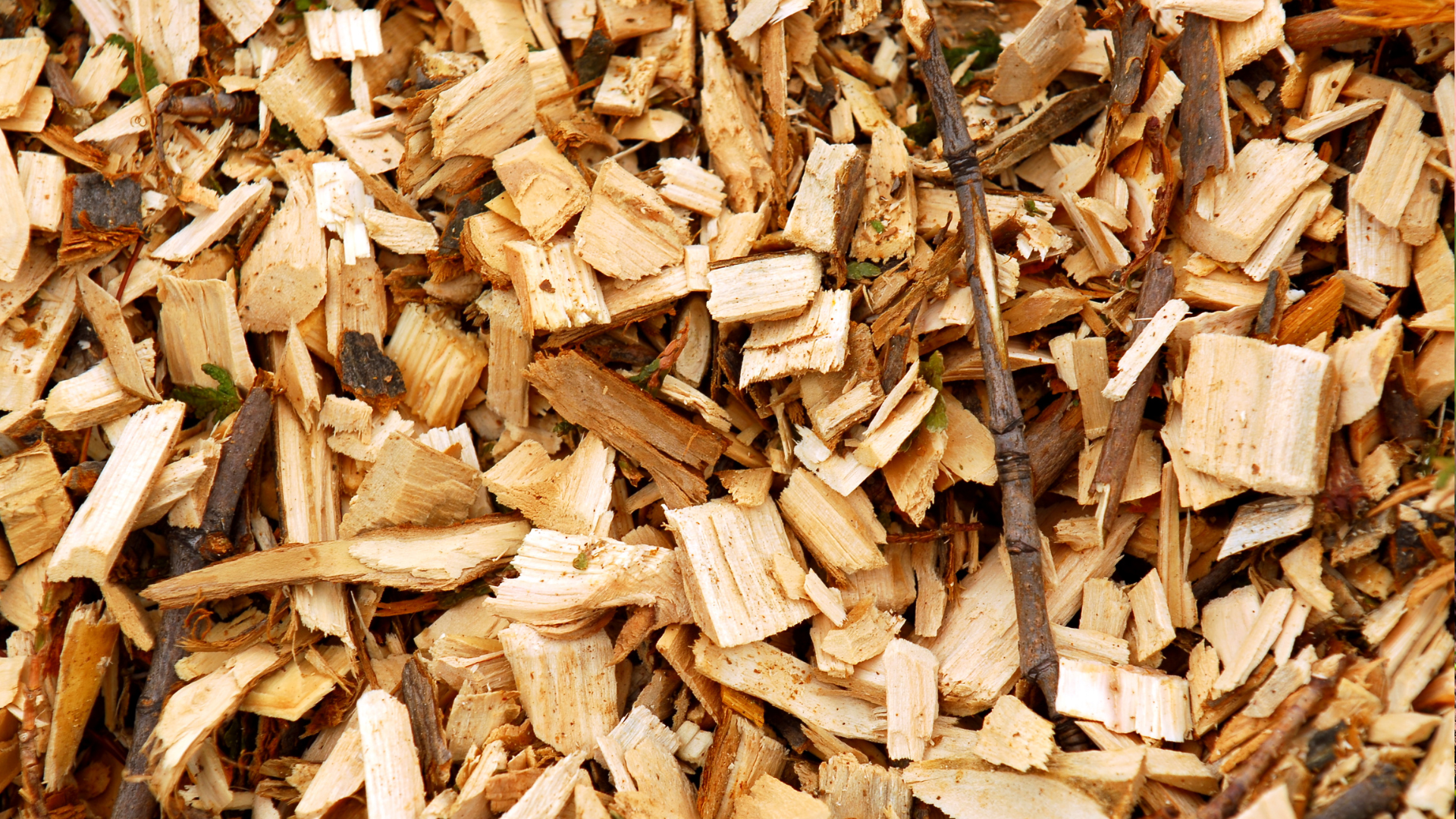
Yes. Pine trees can be a valuable source of carbon, they have a great smell and because they're so soft they can be chipped very easily.
This means you can chip them up in your Woodland Mills wood chipper and use them around your garden, in pathways around your property or to create mulch.
Can I trim pine trees on my own?
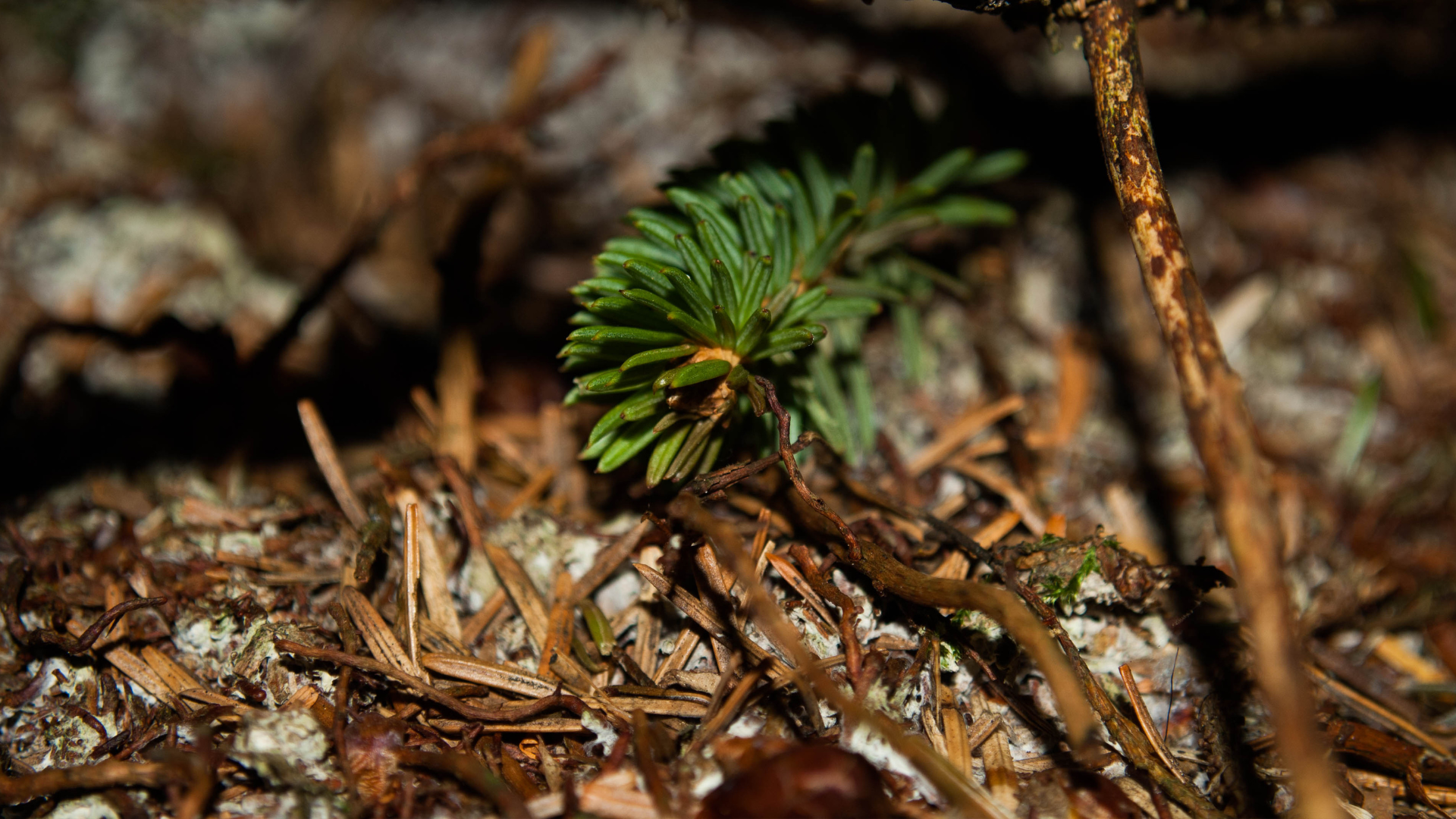
Yes. Many routine pine tree maintenance tasks can be handled by an experienced landowner with the proper equipment. Ground-level pruning, processing fallen branches and managing smaller trees are common DIY jobs. Large limbs, trees near buildings or utility lines, and difficult or hazardous felling situations should be handled by a qualified professional.
Chainsaws, pruning shears and other cutting tools can be useful depending on the size of the branches or trees you're managing.
For reducing your tree waste a wood chipper like the TF68 PRO can be incredibly useful piece of equipment. Not only can it convert your tree debris into a handy pile of wood chips, but you can then use those wood chips for various things around your property, such as landscaping or gardening tasks.
Also, a log splitter like the LS218 can also be used to help turn large branches and rounds into a steady supply of firewood.
For removing stumps from felled trees, a stump grinder like the WG28 can efficiently remove the remaining stump below ground level, helping eliminate obstacles and tripping hazards.
For hauling logs and pine trees out from the bush, a multi-purpose ATV dump trailer like the Multilander is also incredibly useful, allowing you the ability to navigate tough off-road environments with a pile of logs or wood chips.
Think about the tools in your arsenal, your property's needs long-term and what tools and equipment you're missing.
Advantages to pine tree chips
Pine tree chips smell great and have a number of uses. Not only can you use them in your garden or for making a great-smelling mulch, but many landowners use their pine tree waste as decorations in the winter time.
Use pine tree branches as Christmas decorations in planters and use your supply of pine wood chips for decorative foot paths or as an accent in your gardens. If you have a seasonal decoration display, think about how pine wood chips produced by your wood chipper can be used to elevate it.
Being able to process pine branches into wood chips gives you another useful resource from material that might otherwise need to be hauled away or disposed of.
The cost of equipment
Purchasing equipment requires an upfront investment, so the decision often comes down to how frequently you'll use it. For landowners who regularly manage wooded acreage, repeated rentals or contractor visits can add up over time. Owning equipment also means the tools are available when the work needs to be done, rather than having to schedule around a rental or contractor.
Owning equipment like a wood chipper or a way to carry logs, such as an ATV trailer, can give you more flexibility to plan long-term projects and handle routine property maintenance on your own schedule. Many hobbyist and commercial landowners in the Woodland Mills Product Owners and Community share projects that demonstrate how owning equipment allows them to take on more of the work around their own properties.
Are wood chippers, stump grinders and other equipment necessary for managing your pine trees?
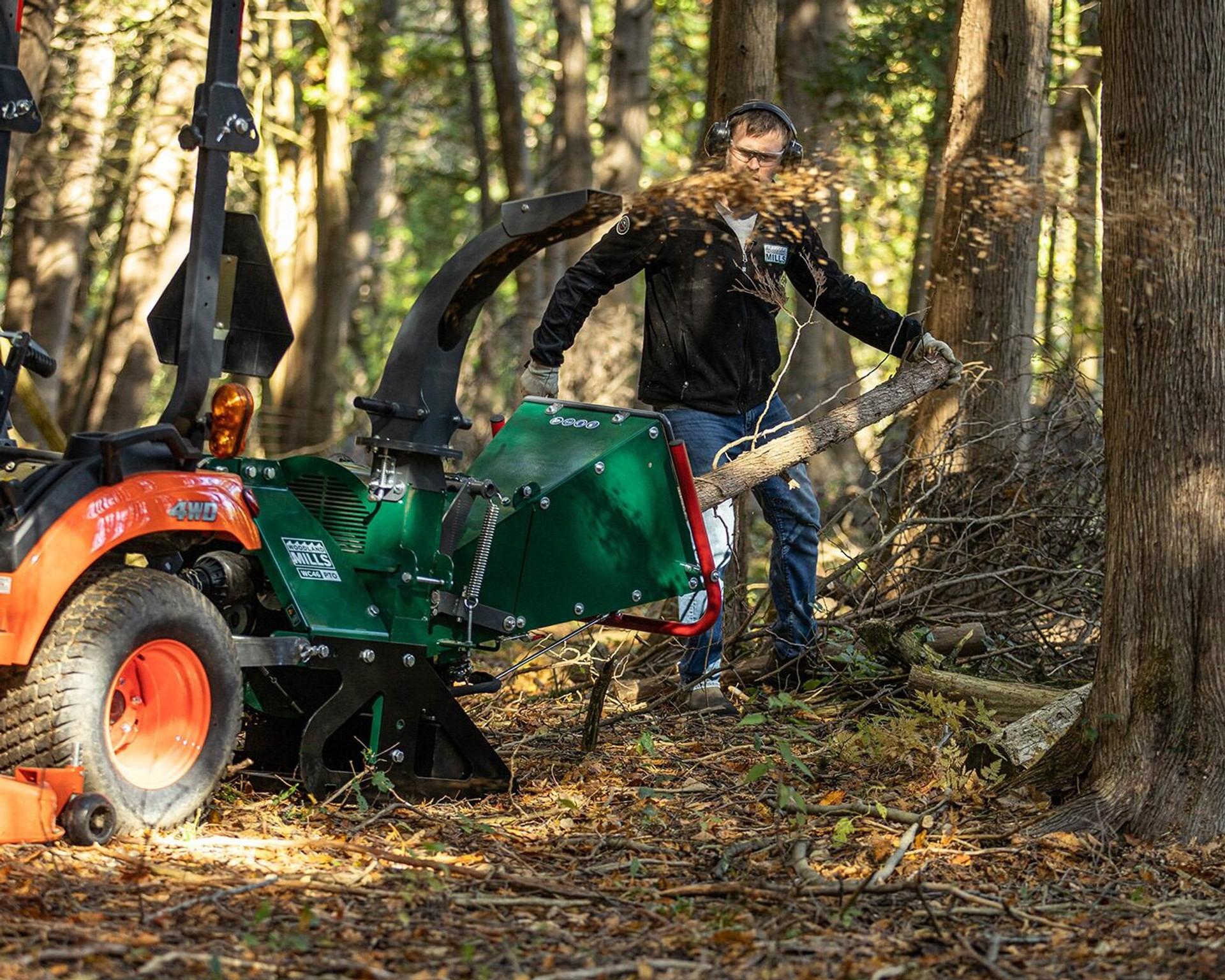
Not every property requires the same equipment. For landowners who regularly manage trees, trails or wooded acreage, however, owning the right equipment can make long-term property maintenance more practical and give you greater flexibility to tackle work on your own schedule.
Equipment like portable sawmills and wood chippers can also turn material from your property into useful resources. Logs can become lumber for future projects, while branches and tree debris can become wood chips for trails, landscaping and other uses around your property. That can help you make better use of the resources already available on your land.
How to use a wood chipper with pine tree branches
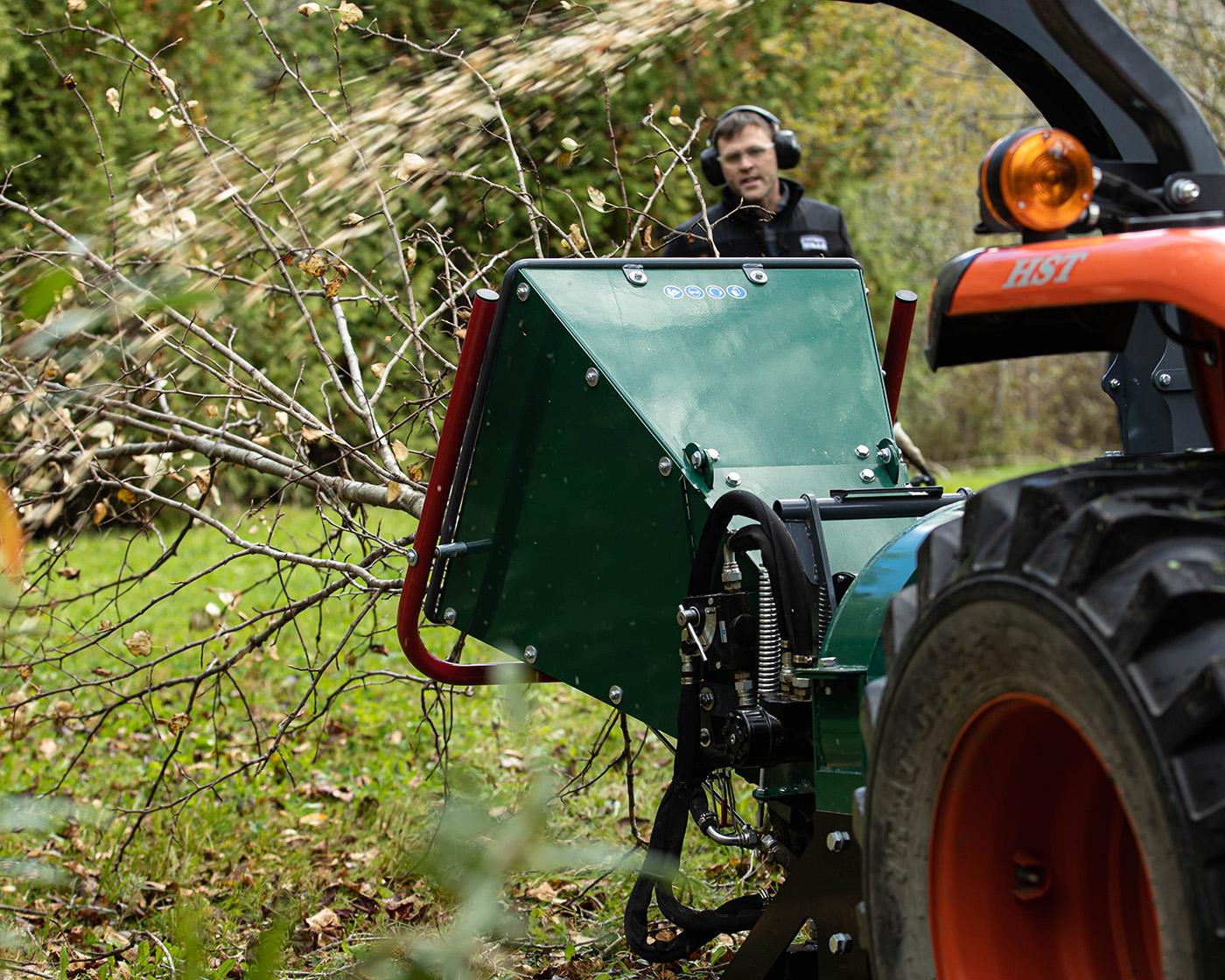
It's easy to turn your pine tree trimmings into a pile of wood chips. Utilizing a wood chipper like the Woodland Mills TF810 PRO or TF68 PRO, which features Twin Flywheel technology, helps with chipping green, leafy, and light weight materials.
These wood chippers also feature hydraulic infeed, which assists the operator by drawing material from the infeed chute to the flywheel. This is especially helpful for pine trees by assisting the user with pulling in difficult materials that may be hard to grip, like branches covered in pine needles.
When chipping pine remember that:
-
-
Feed the branches in butt-end first, to prevent anything catching on the lip of the infeed chute
-
Point your discharge chute in the direction you want your pile of chips to be, such as near your trails or your ATV trailer
-
If you're using a single flywheel chipper, mixing in some dry, heavier material can help keep lighter material moving through the chipper and discharge stream.
-
Pine can be a very wet, gummy species. After a session of pine chipping or before your next chipping opportunity, check the housing to ensure the flywheels are clear of debris to ensure continued optimal performance.
Using a log splitter with pine tree rounds
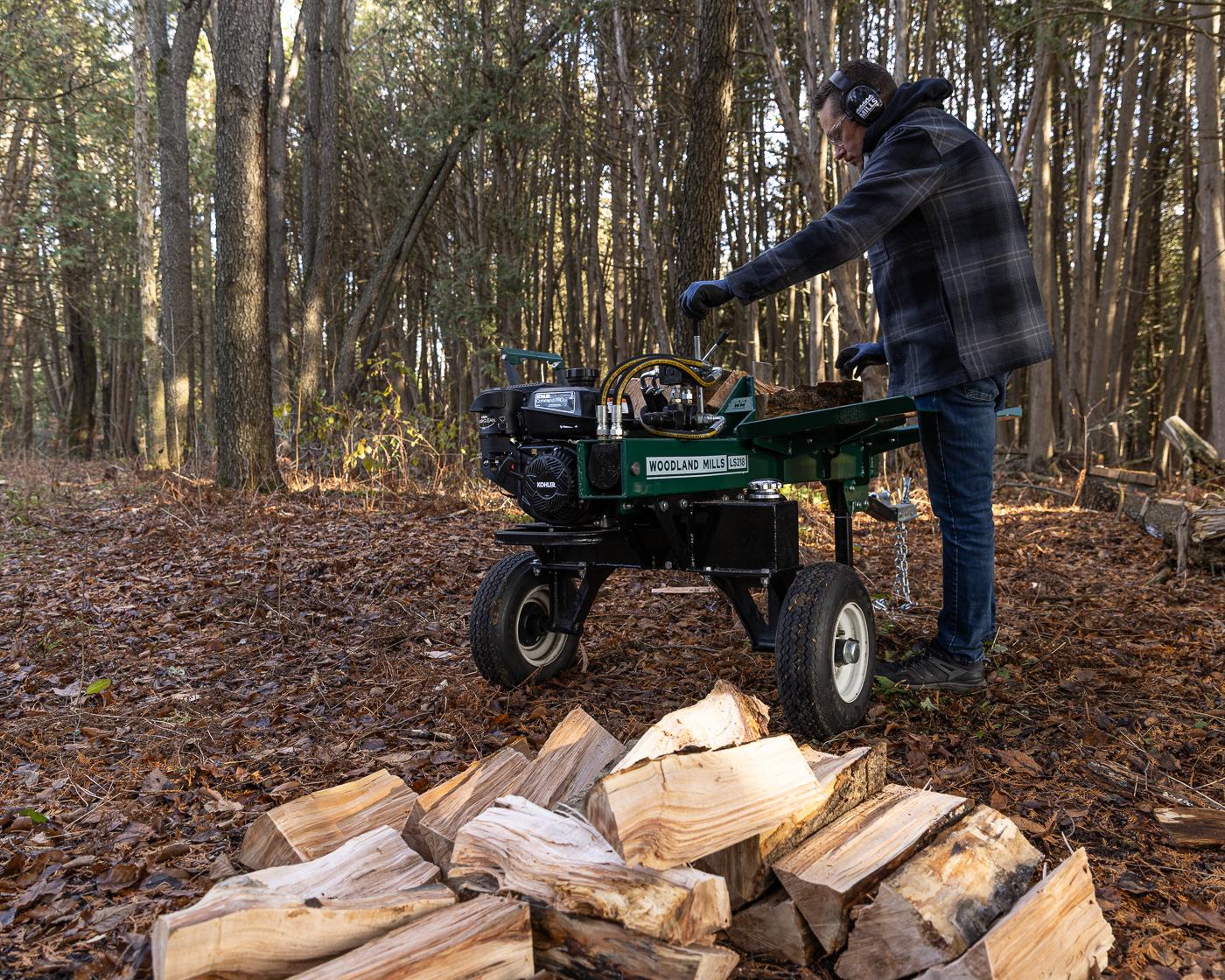
Pine is generally easier to split than many dense hardwoods, although large rounds, knots, crotches and twisted grain can still make individual pieces challenging. A hydraulic log splitter like the LS218 can help you process a larger pile of pine rounds efficiently.
The LS218 is a two-way log splitter that splits rounds both on the forward and return action, allowing you to efficiently convert your pile of rounds into a stack of firewood with less effort and time.
What other tools do I need for handling pine tree logs and branches?
A cant hook is one of the most essential tools for hobbyist and professional loggers, available in short 2.5' models for more fine control and longer 4' cant hooks to provide more leverage.
Skidding tongs are another useful tool, especially when combined with a winch or log arch, for pulling logs out from the brush and hauling them across your land.
Why do landowners trust Woodland Mills for their forestry equipment?
Woodland Mills equipment is designed around landowners who want to take on more of their own property and forestry work. Our equipment is sold factory-direct and backed by knowledgeable product support before and after the sale, along with warranty coverage and a community of nearly 90,000 Woodland Mills owners and enthusiasts who share projects, advice and experience in the dedicated Woodland Mills Product Owners and Community Facebook group.
To Summarize: Trimming Pine Trees can be Effective and Beneficial
Pine trees are a common species in North America and Europe and have a ton of utility. Just be sure to follow these steps when trimming:
-
-
Don't prune too much from your trees
-
Only prune branches which are overgrowing, diseased or dead
-
Prune in the spring to give time for healing
-
Late winter through spring is generally a good time for routine pruning
-
Use your Woodland Mills wood chipper to turn leftover branches into a pile of wood chips
-
You can use pine wood chips in your garden or around your property
-
FAQ: Frequently Asked Questions
Q: What type of wood chipper should I use for chipping pine tree trimmings?
For green pine branches and other lightweight coniferous material, a wood chipper with strong airflow and controlled infeed can make processing easier.
Woodland Mills PRO Series chippers with exclusive Twin Flywheel technology use one flywheel to chip the material and a second, faster-spinning flywheel to help discharge the chips. The system increases airflow through the chipper, helping move lightweight, wet, leafy and coniferous material through the discharge stream and reducing potential buildup.
This makes Twin Flywheel technology particularly useful when processing green pine branches, needles and other lightweight coniferous material.
Q: How do I move felled pine trees around my property?
Consider a log arch like the Woodland Mills Loglander 28 for moving a wide variety of tree sizes across your property. Simply attach the log arch to your ATV for off-road navigation, using the winch for pulling logs out from the brush. Then you can drive your logs throughout your trail network or across your land.
If you're concerned about dragging your logs across your land and damaging your logs or soil, you may want to consider an LD20 log dolly as well, which attaches to the end of the log to assist in log hauling while reducing damage to your land's natural assets.
Q: What can I use pine tree chips for?
Pine tree chips can be used in your garden, for creating a natural mulch to help your garden grow and suppress weeds.
Many landowners use them as soft beddings for playgrounds or for animals. They can also be used for landscaping purposes, creating trails or for a natural in-fill material for low-lying areas.
You can even sow it around your forest floor to naturally degrade and supply valuable nutrients back into the natural environment.
Join the Woodland Mills Community Facebook group. Search advice and insights from over 65,000 knowledgeable, supportive members.
- Pre-purchase considerations
- Sawmill set-up support
- Project inspiration photos and videos
- Community troubleshooting support