



A Pine Tree Removal Cost Guide
Is it cheaper to hire tree removal services or to take down your own trees?
When it comes to removing a pine tree from your property, there are a few options available.
You could contact a tree removal company to come in and lean on their skills in removing large trees, which often involves paying for professional services with pricing that can vary depending on the company and the complexity of the job. Alternatively, you could try and take it down yourself if you’re skilled and qualified to do so, which may have different pricing considerations but also comes with its own risks and potential costs.
Professional forestry equipment like wood chippers and stump grinders can help you handle the clean up, but what tools do you need and can you handle the job start to finish?
What are the costs associated with either plan, and how do you deal with stump removal or the risk of damaging power lines? Let’s go into the basics of pine tree removal and find out.
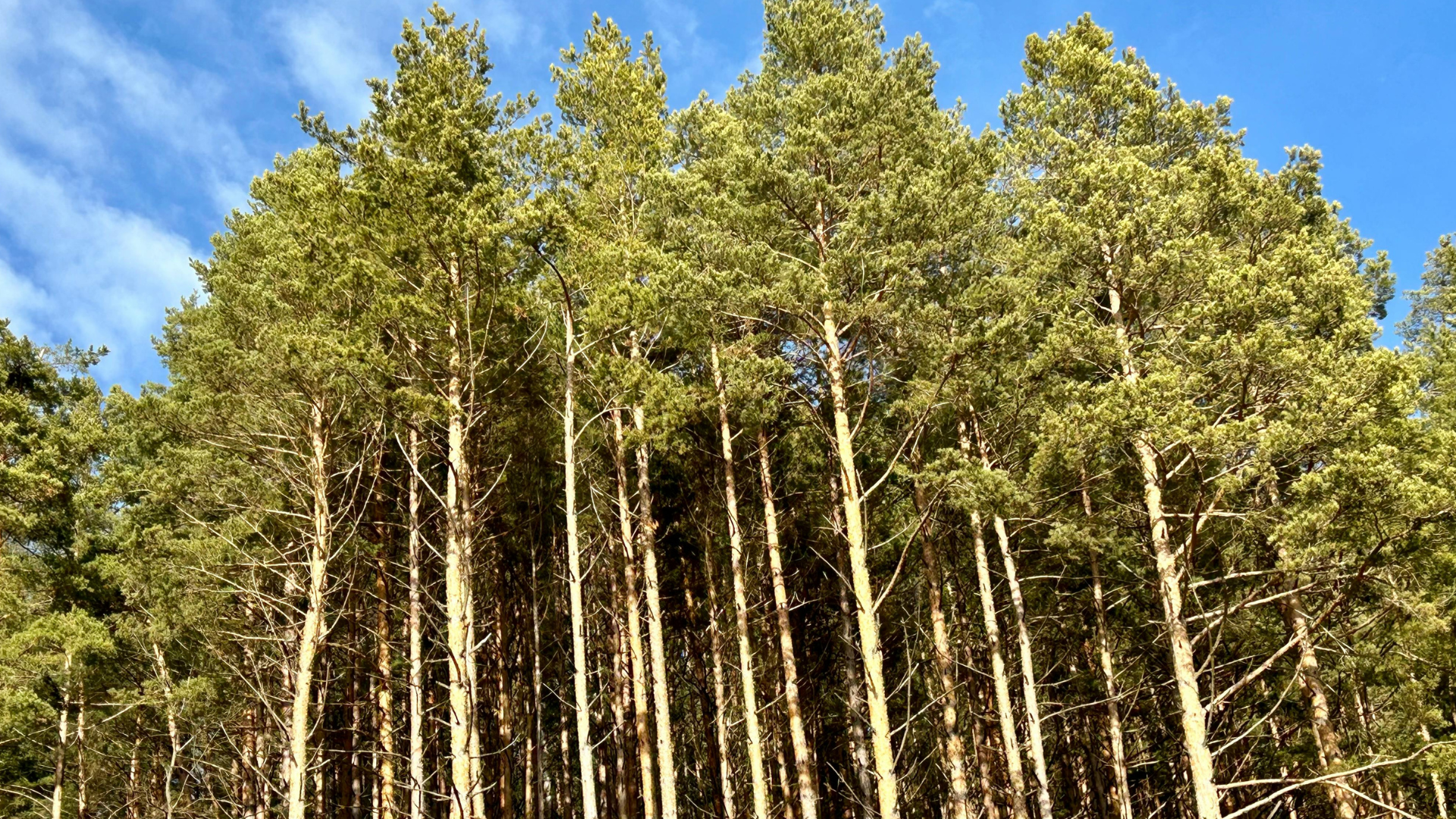
Why do I need to remove my pine tree?
There are many reasons why you would want to take down a pine tree on your property. Your pines could be:
-
-
Dead trees
-
Storm damaged trees
-
Severely damaged trees that are at risk of falling
-
Leaning trees
-
Healthy trees that are too close to a house or power line
-
Smaller trees that need to be removed for land clearing
-
Trees with overgrown branches or dead limbs
-
Trees of certain tree types or large tree size that require removal
-
Check to see whether you can prune any problematic branches to save the tree, but if the tree’s trunk is damaged or the tree falls or could potentially fall and cause damage to your property then you may want to take it down.
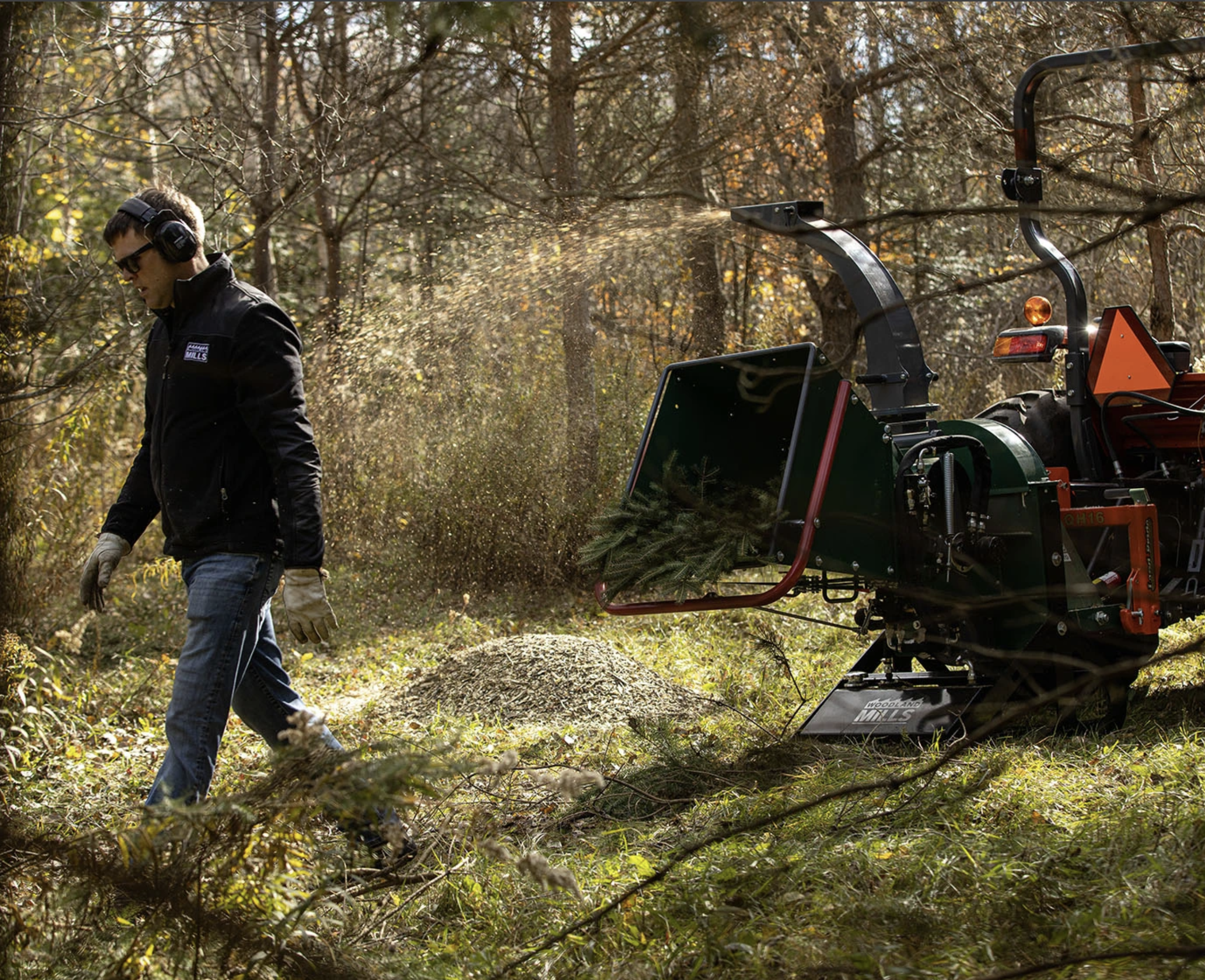
Why Would it be Beneficial to Handle Pine Tree Removal Yourself?
Handling part of the pine tree removal process yourself can reduce costs, give you more control over the schedule and allow you to reuse material that might otherwise be hauled away.
DIY pine tree removal does not necessarily mean felling every tree yourself. A qualified arborist can bring down a hazardous tree, while you handle the branches, logs and stump after the tree is safely on the ground.
Taking responsibility for these later stages allows you to:
-
-
Keep pine logs for lumber, firewood or outdoor projects using a portable sawmill or log splitter
-
Process branches into reusable wood chips using a wood chipper like the WC68
-
Remove the stump when it fits your schedule
-
Invest in equipment that supports future property maintenance
-
This approach can be valuable for forested properties where storm cleanup, pruning and tree removal are recurring jobs. Equipment purchased for one pine tree may later support trail maintenance, land clearing, landscaping and firewood production.
Can I save my pine tree?
Get the perspective of a tree professional like an arborist who can assess the tree's structure and see whether or not it can be saved.
Arborists know what trees are at risk and when to cut trees down to protect nearby buildings or the health of surrounding trees.
There are some basic visual cues you can use to estimate the general health of a tree though. For example:
-
-
Needle Density: Does your pine tree have branches full of dense pine needles or are the branches sparse and full of loose, dry, brown needles?
-
Color: Pine trees come in different varieties, some have a redder bark while others are more green-gray. In general though a dead tree will lose its color over time as it dries out.
-
Moisture: If you break open a fresh branch, is it wet on the inside where it snapped off? If it's dry, that's a sign the branch or tree may be in decline.
-
Pests: Pests and rodents love to make homes in hollows and splits. If a tree has an abundance of wildlife living inside it then that may be a sign it's beyond saving.
-
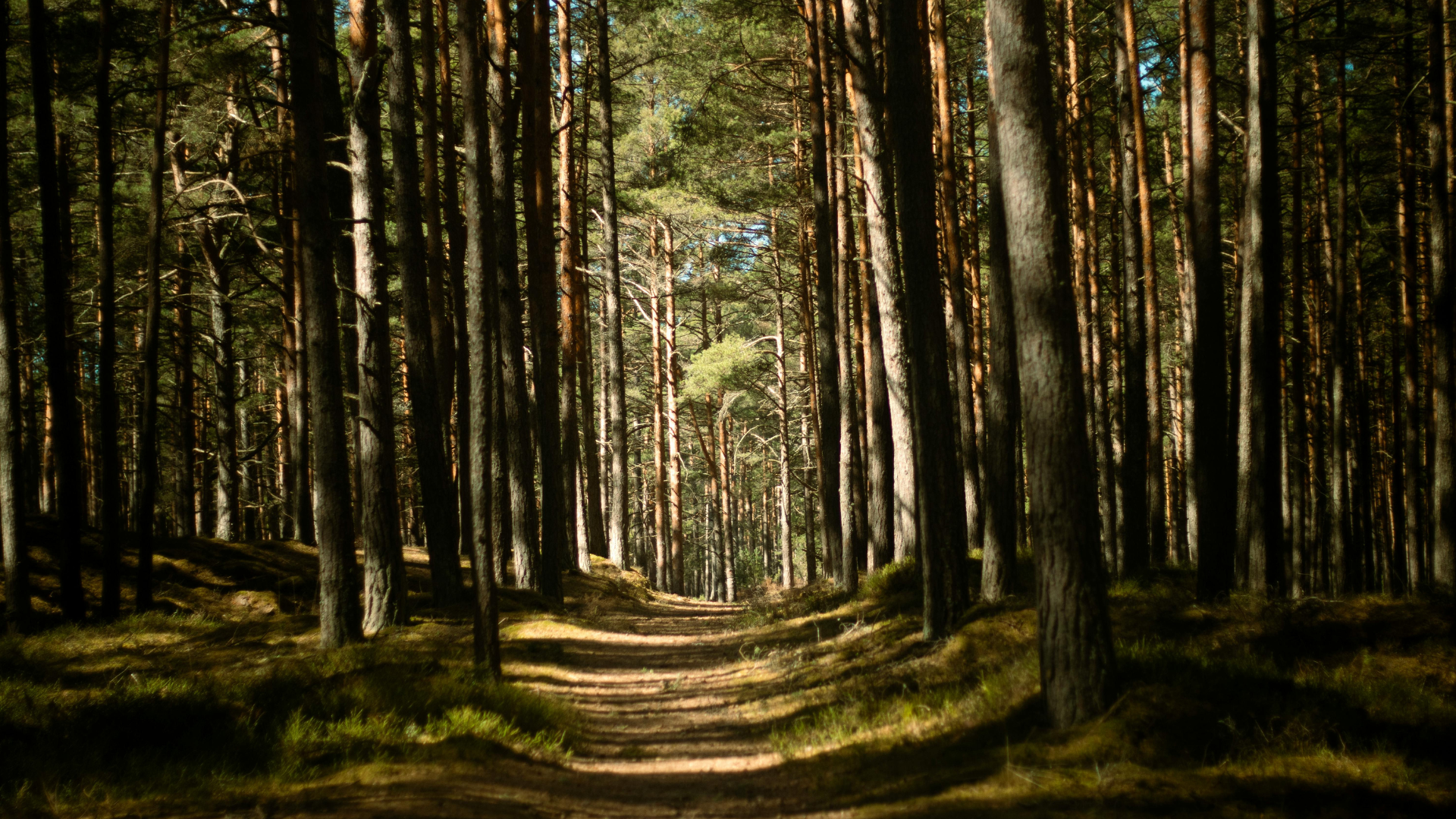
Factors affecting tree removal costs
The cost of removing pine trees or any other species depends on a variety of factors. Larger trees, like mature pines or oaks, typically require more specialized equipment and expertise, which increases the overall cost of tree removal. The type of tree also matters—hardwoods such as oak are generally more challenging and expensive to remove than softwoods like pine.
The tree’s location plays a big role as well; trees situated near power lines, buildings, or in hard-to-reach areas may need additional equipment and careful planning to avoid property damage. Other factors that can drive up the cost include trees with multiple trunks, overgrown branches, or complex structures that make the job riskier and more time-consuming. Each of these elements contributes to the final price you’ll pay for professional tree removal services.
Is it cheaper to hire a tree removal company or remove a tree myself?
The cost of tree removal from professional tree services varies and depends on your area but can range from $300 to $1,000 or more. Removing a large tree will require more money due to the increased risk, need for special equipment, and professional expertise.
These services have specialized equipment and can safely take down trees that are risky or could potentially cause damage if mishandled and investing in professional services can save you money in the long run by reducing risks and potential property damage.
However, if you feel you are qualified to safely take down a tree you can do so yourself for just the equipment costs, namely a chainsaw, fuel and appropriate protective equipment. It also means you’ll be able to repurpose the tree trunk and use it for free lumber if you own a portable sawmill like the Woodland Mills HM130MAX.
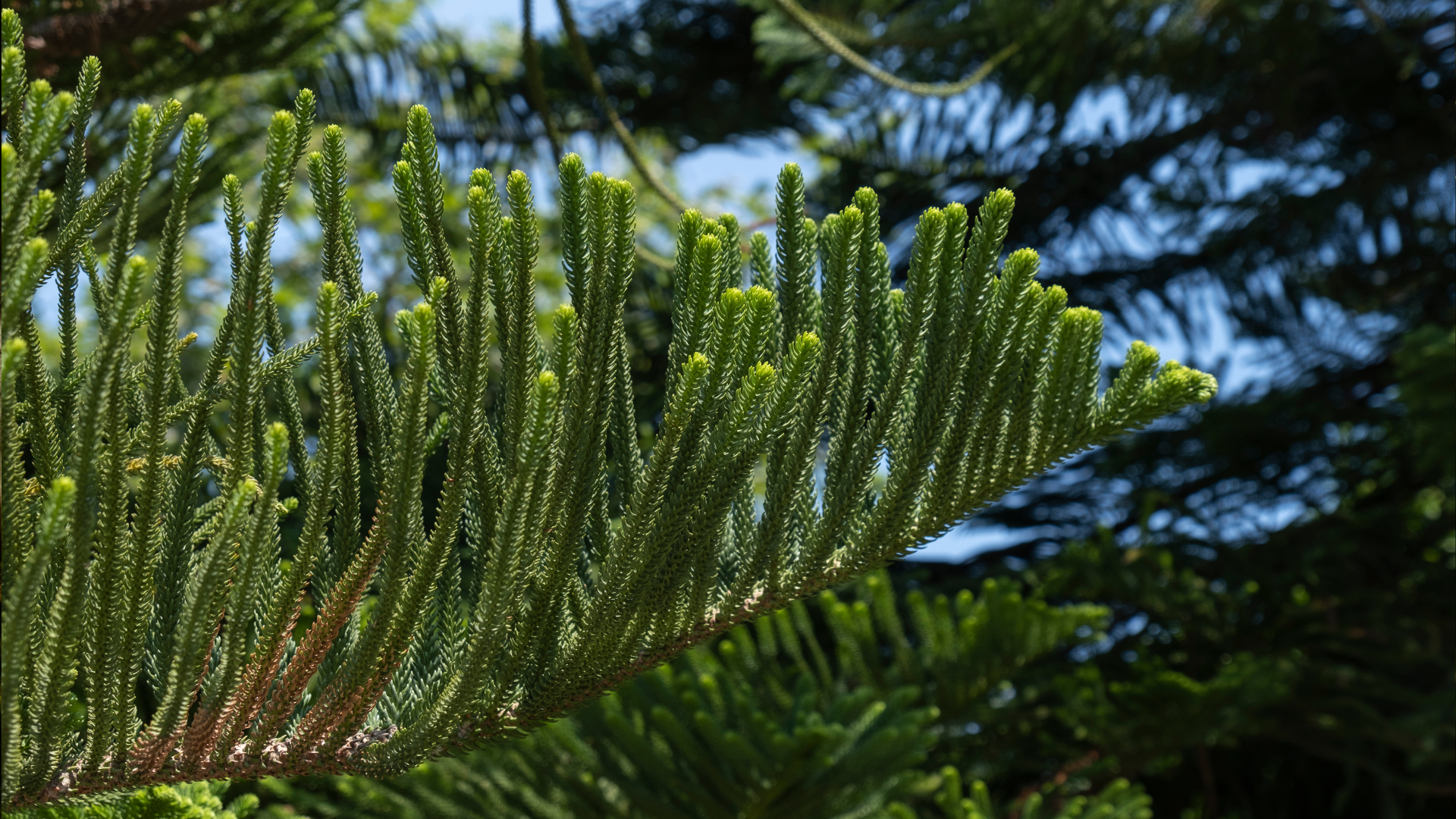
How much does it cost to remove fallen trees?
If you have a dead tree on your property that’s already fallen you can call a tree removal company to come in and remove it but even that can cost $300+ depending on your local rates. In addition to removing the fallen tree, you’ll often need to haul away the debris, including limbs and trunk sections, which can add to the overall cost. Stumps and roots left behind after tree removal can also present significant challenges, both visually and in terms of safety.
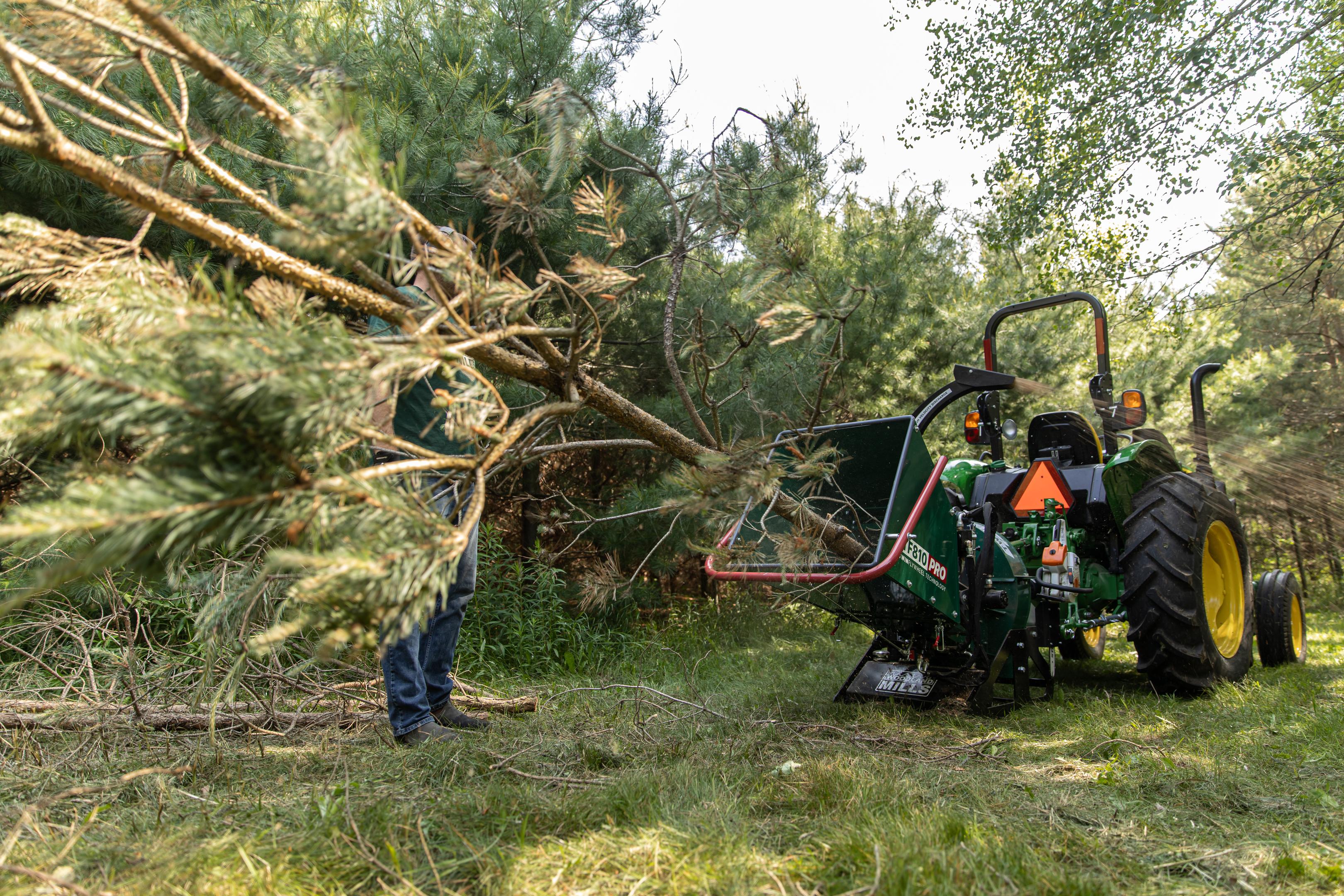
Tackling it yourself can help reduce or eliminate those costs. You can get a log arch like the Loglander 20 and attach it to your ATV or lift it with a grapple onto the back of your truck. If you need to remove the stump you can acquire a PTO stump grinder like the WG24 PRO to help you. A solid Twin Flywheel PRO wood chipper like the TF810 PRO can turn pine branches into a pile of wood chips, eliminating tree waste.
You can dispose of the log at the local dump or keep it, especially if you have a sawmill and can reuse it for free lumber. Removing a healthy one, as opposed to a rotting stump, is much more difficult and time-consuming.
Preparing for Tree Removal
Before your scheduled tree removal, there are a few steps you can take to help the process go smoothly and reduce the risk of property damage. Start by clearing the area around the tree of any outdoor furniture, toys, or other obstacles that could get in the way.
Mark the location of any underground utilities, such as power lines or water pipes, to prevent accidental damage during the job. It’s also courteous to inform your neighbors about the upcoming tree removal, as the noise and activity may affect them.
Taking photos of the tree and surrounding area before the work begins can be helpful in case any issues arise with the tree removal company. By preparing your property in advance, you’ll help ensure a safe, efficient, and hassle-free tree removal experience.
What Forestry Equipment Can Help With Pine Tree Removal?
Once a pine tree has been safely felled, the right forestry equipment can help you process nearly every part of it. Remember that pine is a sappy, porous species of wood, and wet pine needles and lightweight branches can build up in chippers with less discharge airflow. Ensure your equipment is capable of handling the task and so you can get the job done efficiently and quickly.
Useful Woodland Mills equipment includes:
-
-
Wood Chipper: A PRO Series model like the TF68 PRO can process fresh pine branches, needles and other leafy material into chips for trails, mulch and landscaping
-
Stump Grinder: PTO models such as the WG24 PRO and WG28 PRO can reduce the remaining stump below ground level
-
Log Arch: A Loglander can lift the leading end of a pine log and help move it behind a compatible ATV, UTV or tractor
-
Portable Sawmill: A model such as the HM130MAX can turn suitable pine logs into boards, beams and live-edge material
-
A cant hook, choker chain and lifting tongs can also help with positioning and securing logs. Choose log-handling equipment according to the diameter and weight of the tree, the towing machine you own and the terrain between the stump and processing area.
What Size Wood Chipper Is Best for Pine Trees?
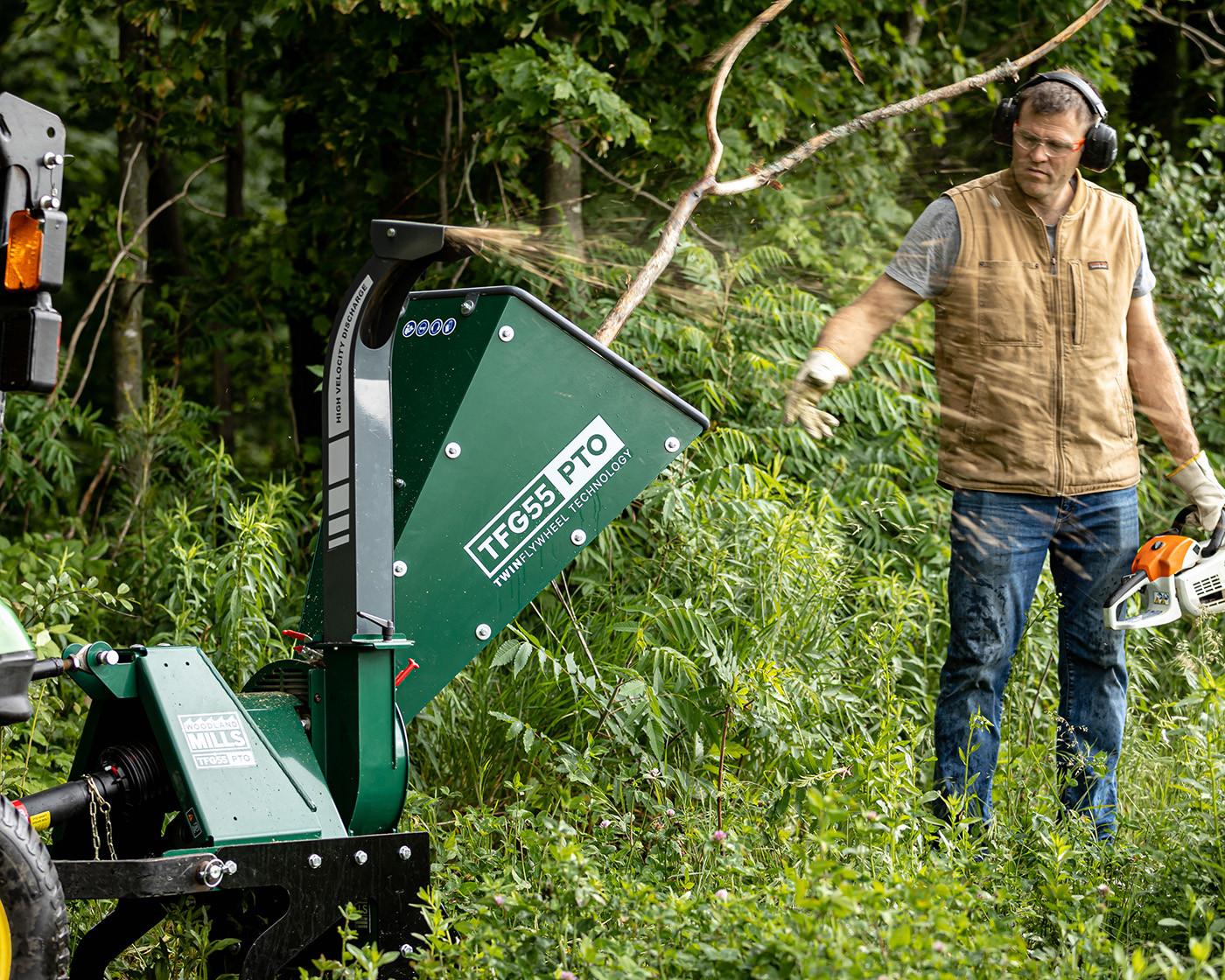
Choose a wood chipper according to the diameter of the pine branches you process regularly, the amount of material and your tractor’s PTO horsepower.
Fresh pine branches can be lightweight, wet and covered with needles. Woodland Mills chippers with Twin Flywheel Technology use a secondary flywheel to increase airflow, helping move green and coniferous material through the chip stream.
-
-
TFG55 PTO or TFG55 GAS: Practical 5-inch options for smaller properties, seasonal cleanup and landowners without larger tractors
-
TF46 PRO: A 4-inch chipper for subcompact and compact tractors with 15 to 30 horsepower at the PTO
-
TF68 PRO: A 6-inch model for tractors with 20 to 50 PTO horsepower and larger branch piles
-
TF810 PRO: An 8-inch chipper for tractors with 35 to 100 or more PTO horsepower and demanding tree cleanup
-
In general, choose the largest compatible chipper your tractor can operate safely. A larger infeed opening accepts wider branches and more heavily forked material, reducing the amount of trimming required before chipping. Always confirm PTO horsepower, three-point hitch compatibility, lift capacity, tractor weight and stability.
What To Do With Pine Wood Chips and Debris?
Pine branches, logs and wood chips can often be reused instead of hauled away.
-
-
Use pine chips as surface mulch around established trees, shrubs and perennial beds
-
Spread chips over woodland trails, pathways or muddy work areas
-
Mill sound logs into lumber or split suitable sections for firewood
-
Allow excess chips to age before adding them to compost or garden projects
-
Keep mulch away from trunks and plant stems to avoid trapping moisture. If the pine tree was removed because of insects or disease, check local regulations before moving or reusing the material.
Why Do Landowners Trust Woodland Mills Forestry Equipment?
Woodland Mills designs equipment for landowners who want to manage more of their tree cleanup, log handling and property-maintenance work themselves.
"If you are shopping for a chipper look no further," says TF46 PRO Wood Chipper owner Michael G. "Outstanding engineering in every detail from the packaging and shipment to the overall operation of the chipper... I want to buy more Woodland equipment based upon my experience with the chipper."
Customers regularly highlight high-quality construction, thoughtful engineering and reliable performance in their reviews. Woodland Mills core products are supported by a three-year warranty, with replacement parts, products ship promptly and directly to your driveway and excellent, personal customer service is available when needed.
Landowners can also find project ideas and equipment experience through Woodland Mills customer reviews and the Woodland Mills Product Owners and Community Facebook Group. This combination of capable equipment, warranty coverage, parts availability and customer support helps owners choose a setup suited to their property.
FAQs: Pine Tree Removal Costs and Equipment
Q: When should I hire a professional to remove a pine tree?
Hire a qualified professional when a pine tree is large, leaning, structurally compromised or close to a building, roadway or utility line. Technical climbing, rigging and utility-line work require training and specialized equipment. Because of this limb chipping services can sometimes cost between $50 and hundreds of dollars per limb, depending on the difficulty of the task, and tree trunk removal can add even further costs.
Basic tree care and removal can be handled personally though. Even when you do need to call in a professional, you may still be able to reduce costs by arranging to keep the logs or completing some of the ground-level cleanup after the tree has been safely felled. Owning your own equipment ensures you have the right tools to handle log maneuvering, clean-up and processing of materials.
Q: Can pine branches go through a wood chipper?
Yes, provided the branches fit within the chipper’s rated capacity and do not contain rocks, soil, metal or other unsuitable material.
Fresh pine limbs can be wet, flexible and covered with needles. A Woodland Mills PRO Series chipper with Twin Flywheel Technology provides increased airflow to help carry this lightweight material through the chip stream, excellent for pine tree branches that are typically wetter and sappier than other species.
Reusing tree material ensures a natural cycle of rejuvenation for your property, where chipped tree materials return to the soil base and provide nutrients to future growth.
Q: Can a removed pine tree be used for lumber?
Sound pine logs can be milled into boards, beams, siding and material for sheds, cabins or woodworking projects using a portable sawmill like the HM126MAX.
Any materials unsuitable for milling could potentially be split into firewood, or chipped and be used for garden bedding or mulch.
SHOP SAWMILLS
HM122
An entry-level sawmill packed with impressive features at a budget-friendly price. Designed for hobby sawyers or woodworkers looking for an economical solution to mill lumber.
HM126MAX
The original Woodland Mills portable sawmill. Trusted by hobbyists for years, now featuring a FULLCUT® sawhead to maximize usable cut width.
HM130MAX®
A wide capacity sawmill that produces stunning high-value live-edge boards. Loaded with features including our FULLCUT® sawhead, RapidChange® blade system, auto lube, and more.
HM136MAX™
The ultimate solution for cutting wide live edge slabs, perfect for tabletops, counters, benches, and more. Our unique FULLCUT® sawhead design ensures your logs' widest assets are left intact.
Join the Woodland Mills Community Facebook group. Search advice and insights from over 65,000 knowledgeable, supportive members.
- Pre-purchase considerations
- Sawmill set-up support
- Project inspiration photos and videos
- Community troubleshooting support