



Should You Harvest Timber from Your Property?
Logging on your personal property can be done affordably, regardless of the difficulty of the terrain of your land
Harvesting trees from your own land is a great way to manage your resources, save money on lumber and practice sustainable forest management.
Downed trees can become tripping hazards, and removing them can help with wildfire mitigation and be a great method to reuse existing materials. Doing it yourself means lowering your costs over hiring a logging contractor and gives you a great source of wood for your portable sawmill or woodworking projects.
But how do you fell and pull trees out from dense brush? What are the best forest products for hauling and dragging logs out from your forested land? How is tree harvesting useful and what is the best way to do it?
Whether you're harvesting trees for your portable sawmill, getting rounds for your log splitter or clearing land for future projects, the art of harvesting and hauling trees is multi-faceted and has many upsides as well as challenges.
In this article we'll go into the best techniques and equipment for hauling and harvesting timber from your land, and learn more about how to timber harvest both sustainably and affordably.
Why harvesting trees from your own land is important
Hardware stores and lumber yards source their materials from large-scale logging operations all over the world, where swathes of forest dedicated to lumber production or paper mills is clear cut and processed via industrial sawmills.
The cost of lumber production is also influenced by many factors, such as labour, climate and other elements. Because of this, at times the cost of purchasing lumber can go up beyond what most customers are willing to pay.
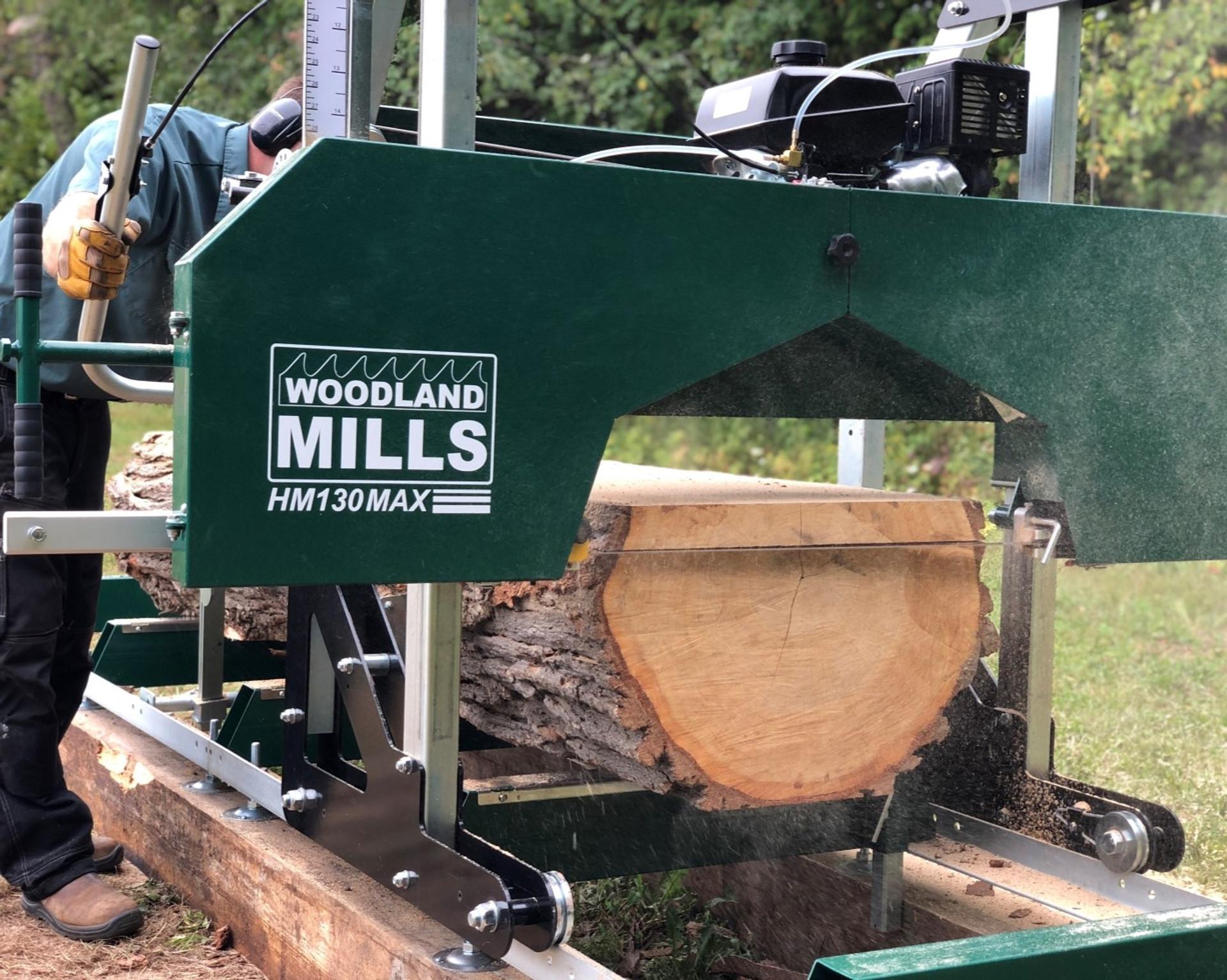
Conversely, sourcing lumber from your own property is comparatively cheap. You spend your own time harvesting and milling the wood, and while you have the capital expenses of logging equipment or a portable sawmill, operating costs tend to be limited to fuel and equipment maintenance, such as replacement sawmill blades. Many landowners focus on harvesting and milling trees from their own land when lumber prices are up, but also appreciate the ability to mill custom dimensions or mill rare and exotic species or utilize off-cuts for side projects.
Does timber harvesting improve the health of my land?
It can, depending on the circumstances.
Here are a few factors to consider where harvesting could help, or potentially harm, the overall health of your forest:
-
-
Wildfire Mitigation: As forest fires become more commonplace, more landowners are considering mitigation strategies such as tree thinning. This not only reduces the ability for fires to spread, but also lets more natural light into the forest floor to spur future growth.
-
Thinning Unhealthy Trees: Whether through disease or invasive pests, there are times where harvesting living trees is necessary for the longevity of the remaining trees. Consult with an arborist or your local tree authority to determine whether a tree or stand needs to be felled.
-
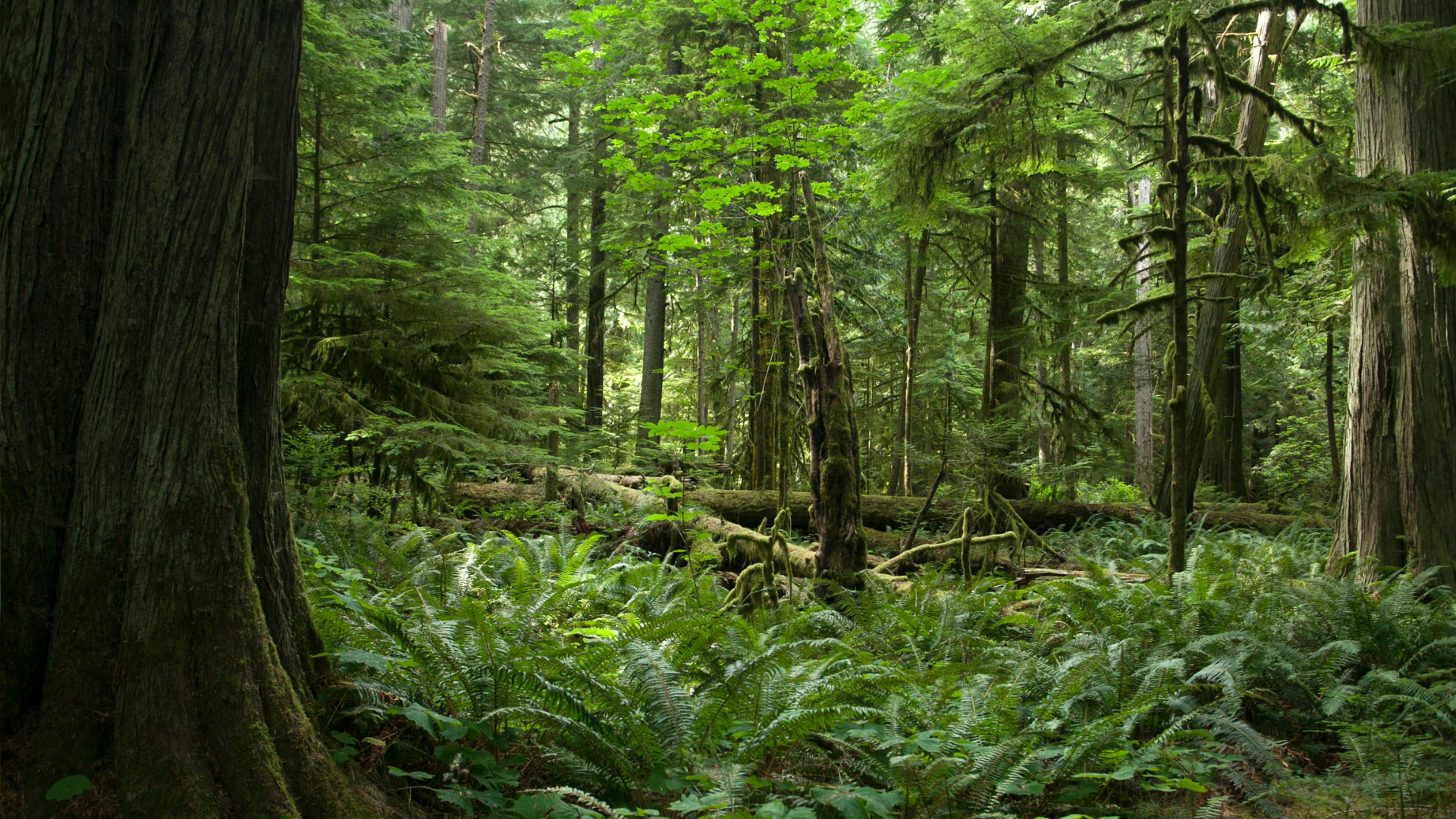
Over Harvesting: Felling standing trees can be helpful for forest management, but it should be done carefully. Over harvesting can harm the overall ecology of your forest, reducing the amount of habitable space for forest species.
-
Recycling Fallen Logs: Many landowners prefer harvesting fallen trees, often ones taken down by storms of natural weather events. This can be great because it allows landowners to repurpose logs without felling any healthy trees. However many forest species utilize fallen logs for sustenance for wildlife habitats. Rotting vegetation is important for the health of forest soils and is a key part of the ongoing cycle of forest life.
-
Many landowners are careful when harvesting trees from their property. Lots of acreage owners in the Woodland Mills Product Owners and Community Facebook Group make note to primarily harvest falling or standing dead trees, and to ensure that the overall health of their forest is sustainable so future generations will be able to make the most of it.
Benefits to harvesting your own lumber
If you want to do your own harvest operation on your own land, you should consider the pros and cons to harvesting.
The pros:
-
-
Harvesting your own logs for dimensional lumber is cheaper than buying boards from the hardware store or lumber yard
-
You control the quality of trees you harvest and know the history of the tree
-
The ability to mill custom dimensions with a portable sawmill
-
Branches, foliage and other tree waste can be repurposed using equipment like a wood chipper
-
The cons:
-
-
You'll have to take the time and effort to do the work yourself
-
Upfront costs for forestry and harvesting equipment such as chainsaws or a portable sawmill
-
What is the best method for harvesting trees while practicing sustainable forest management?
The first step: Come up with a written forest management plan. Lay out the goals for harvesting, the quantity you want to harvest, a rough estimate for how much lumber you want to produce and a guideline for maintaining the health of the forest stand.
Good tips include:
-
-
Pick specific individual trees. Don't clear cut unless you're preparing land for a future use, such as clearing for a building project.
-
Stick to your plan, and ensure you only harvest logs/trees laid out in your plan. Don't over harvest and allow some vegetation to rest on the forest floor to revitalize the soil. Consider spreading mulch if needed.
-
Consult with forestry professionals or other private forest or woodlot owners, check out their plans and see what works and doesn't work for you.
-
A written forest management plan is helpful not just for you, but for any arborists, workers or contractors you may need to hire in the future so they adhere to your outlined policies.
How to make your own log landing
A log landing is an area of your property dedicated to processing logs. Log landings typically have the following amenities:
-
-
A log pile or log storage area
-
A kiln for drying processed lumber
-
A portable sawmill
-
A forklift, tractor or equipment for loading and lifting logs
-
Adequate space to work around
-
Flat, level land
-
Trails and access large enough for your equipment
-
In terms of making a log landing area for your property here are some suggestions:
-
-
Look for pre-existing log landings that have become disused or grown over from previous owners, and clean them up. It's often easier to reuse existing sites than make new ones.
-
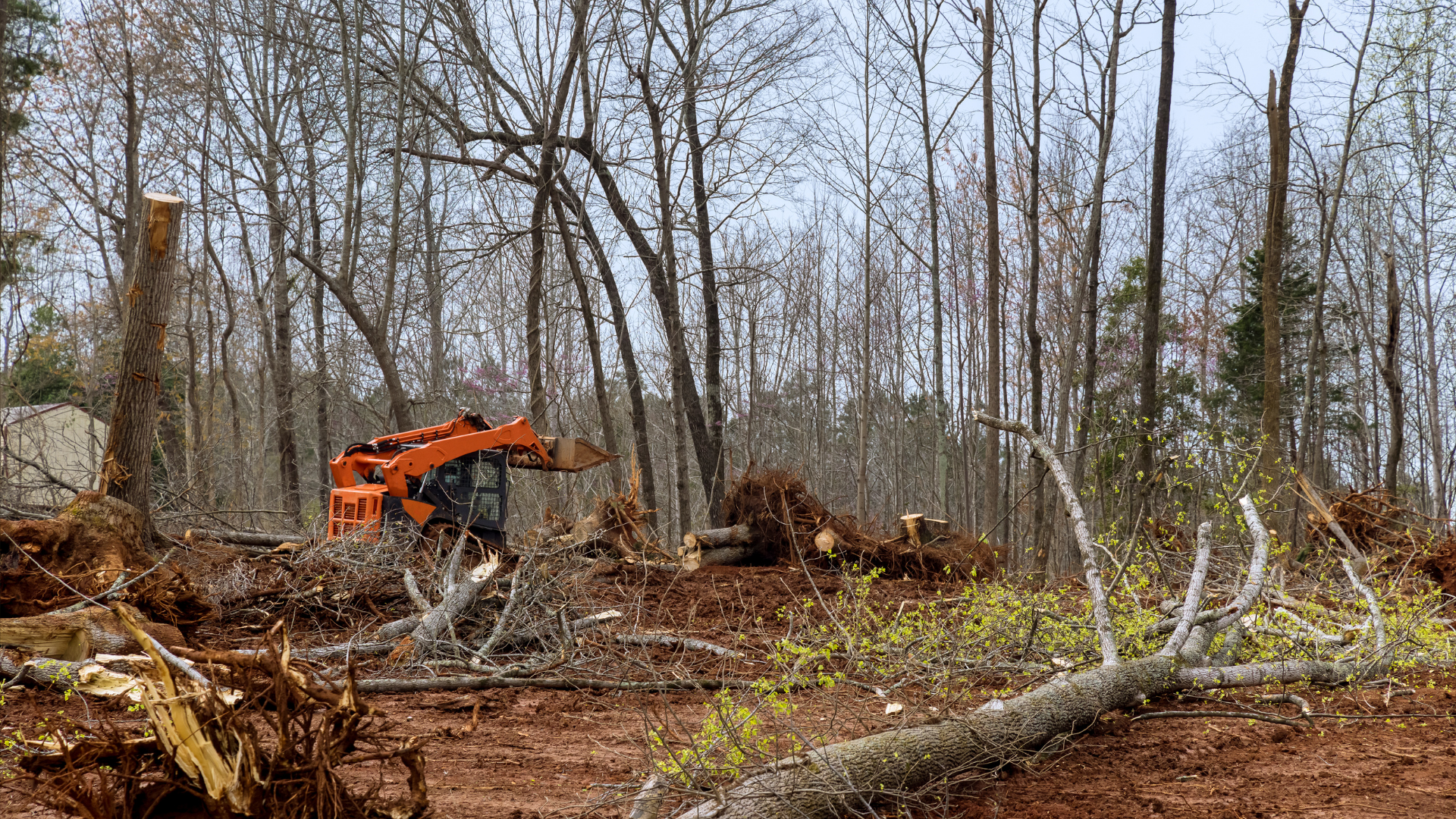
Identify clearings with relatively level land that require the smallest amount of clearing and landscaping
-
Utilize existing space at the edge of your forested land with clear trails that give access to trees deeper in the brush.
-
Consider the needs of your space. Come up with your own bullet point list of priorities and needs and consider spaces on your property that meet those needs. Then begin harvesting to clear that area for it's future use as a log landing. Remember that a wood chipper is also an incredibly useful tool for dealing with tree waste from land clearing.
What is the best equipment for personal logging on my own property?
Here are some recommendations for which equipment can best help you best utilize the resources of your land and make future harvests easy.
-
-
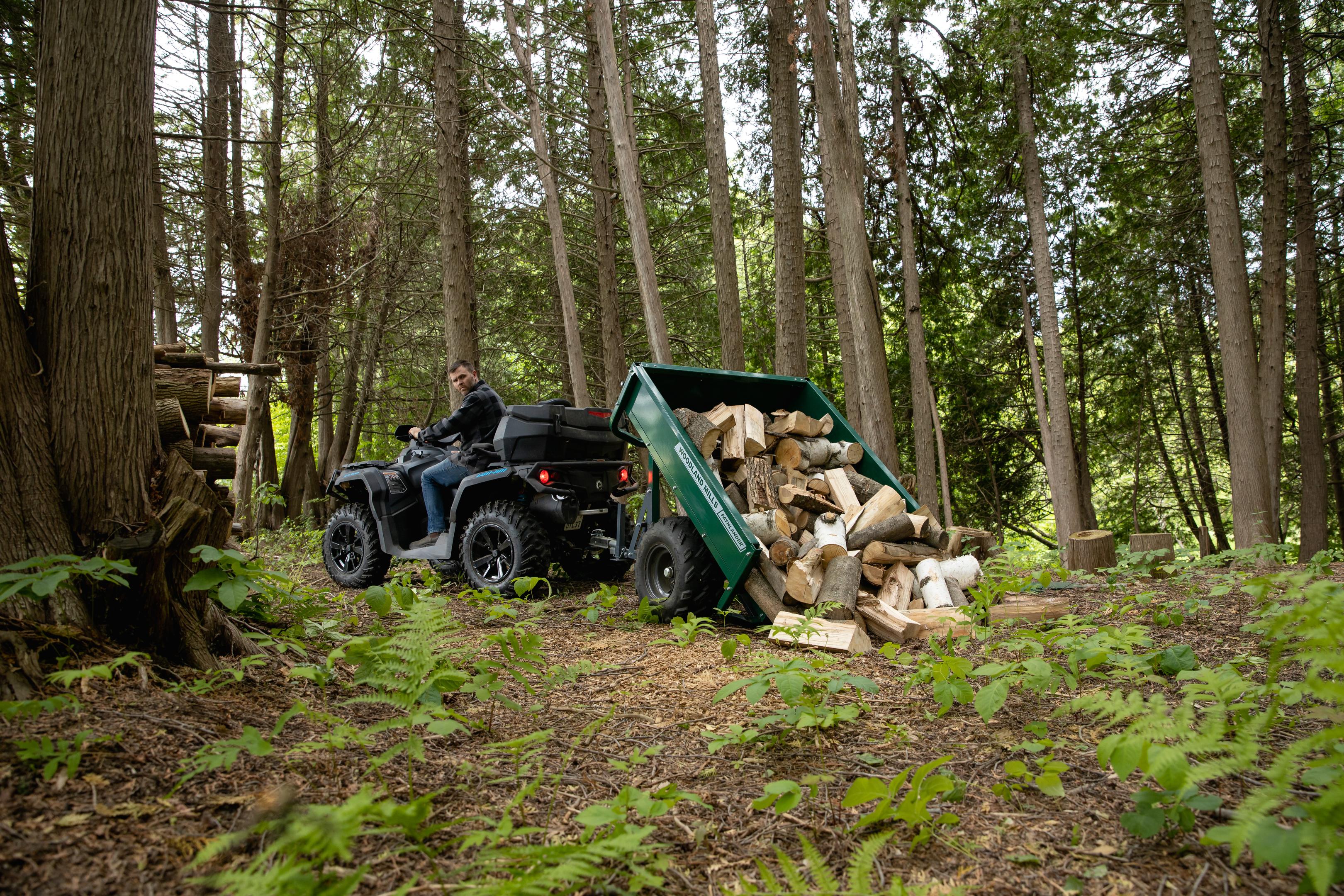
Loglander 28 Log Arch: A 2000 lb capacity log arch which can be towed behind an ATV for easy log hauling jobs
-
Multilander ATV Dump Trailer: Featuring a 2,000 lb payload capacity and winch, this trailer utilizes side loading rails to make log loading simple and fast
-
Multilogger ATV Trailer: Designed specifically for log hauling, this 2,000 lb trailer is an affordable trailer for dedicated foresters
-
Forestry Winch FW66: This PTO-driven implement features up to 6,600 lbs of towing capacity to pull logs safely out from the brush
-
Why woodlot owners choose Woodland Mills for their forestry equipment purchases
Hundreds of thousands of landowners around the world trust Woodland Mills for their portable sawmills, wood chippers, stump grinders and ATV trailers. Our equipment is made from precision machined parts and supported by a three-year warranty. Customer satisfaction is a big priority for Woodland Mills and that's reflected in the positive word of mouth expressed by our customers.
"Very proud to own this. Heavy duty and built well," says Loglander 28 owner Brent D. "Woodlands customer service is outstanding, they answered all my questions promptly and everything shipped and arrived beautifully!"
Check out the comments in the Woodland Mills Product Owners and Community Facebook Group or the tens of thousands of 5-star reviews and see why so many landowners rely on Woodland Mills equipment for their land management.
FAQ: Frequently Asked Questions
Q: What is the best way to practice sustainable forestry while maintaining the health of the forest?
A: Landowners want to preserve their forests, as it ensures there's trees to harvest for years to come and beautiful nature for their children and grandchildren to enjoy for generations.
Tree selection plays an important role, selecting standing dead or diseased trees that need to come down already. When doing tree thinning, select trees that can free up sunlight in the tree canopy, being careful not to harvest so much that you're overly reducing the amount of shade too.
Harvesting fallen logs is another way to preserve living, healthy trees, but remember that leaving some rotting vegetation and foliage on the forest floor is good for forest species like rodents, birds and other animals.
Q: What trees should I harvest first from my woodlot?
A: That will depend on the purpose of your woodlot, whether you're growing trees for firewood, raising Christmas trees or for making logs for milling.
If certain trees aren't achieving the growth rate you want, or are growing in a way that doesn't further the purpose of your woodlot you may want to harvest them. If you're growing trees for straight logs for milling, and a tree has grown with a large Y-split, you may want to harvest it, letting more sunlight into the forest floor and giving more room for other trees.
If trees are damaged in a storm and aren't usable for their intended purpose, it may be worthwhile harvesting them first.
Q: How do I get a tree down that's hung up on other branches?
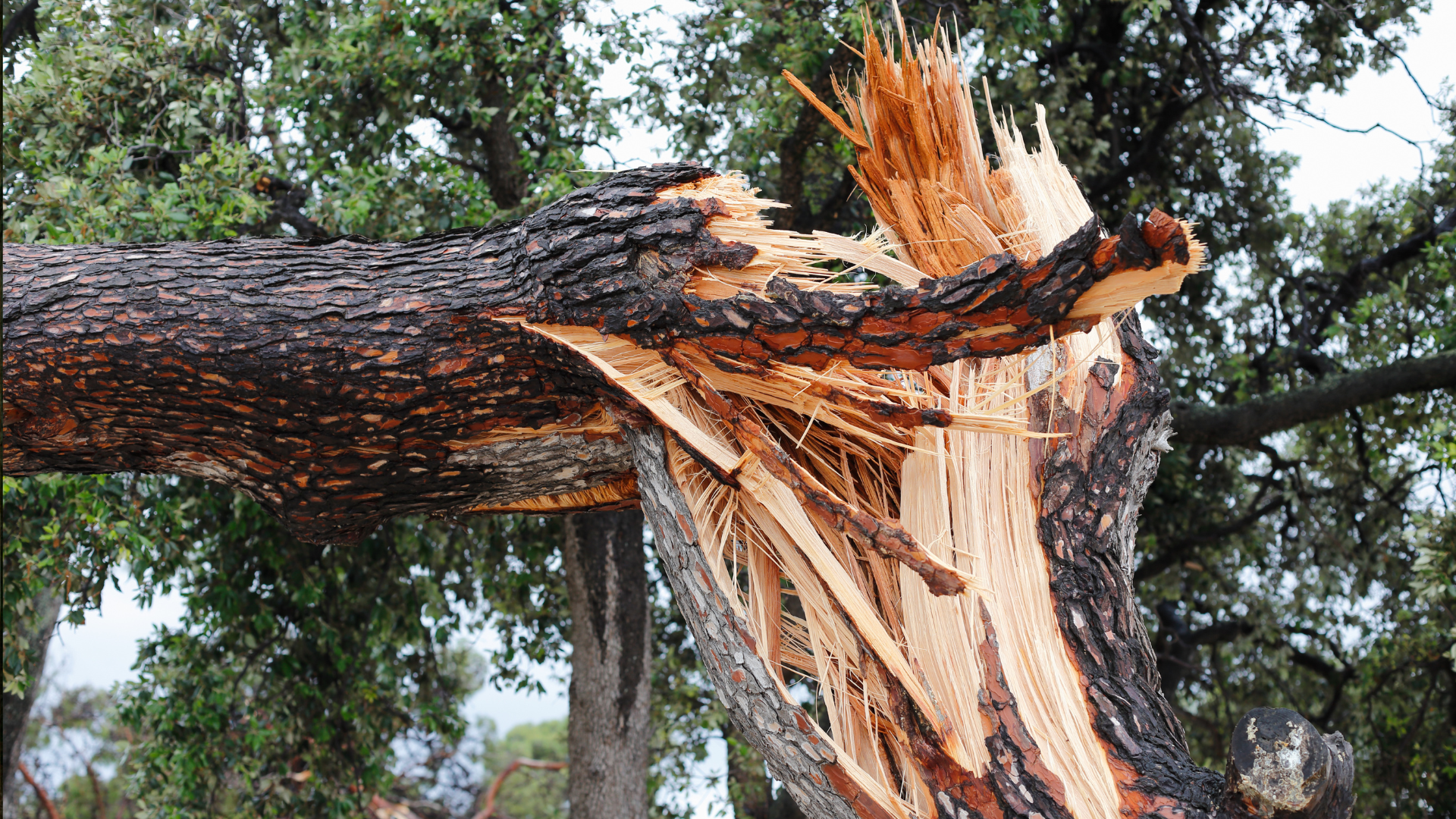
A: It's common for branches of other trees to "prop up" a felled tree, which prevents it from falling. Be very careful when attempting to remove these trees, since they can fall in unpredictable ways.
We recommend using a winch with enough force to pry the tree away from the branches. This may cause damage to those tree branches but that's likely unavoidable. Wrap your winch's hook/line around the spot that provides the most leverage. Oftentimes this is the lowest part of the log, to pull it out from the tree branches above, but this will vary case by case.
A self-releasing snatch block may be handy here, especially in challenging terrain, giving you more freedom to wrap your line around other trees or obstacles while staying out of harm's way.
Q: Should I harvest trees near a creek or body of water on my property?
A: Different regions will have different rules and bylaws for harvesting trees near bodies of water. Tree roots provide an extremely important role for filtering contaminants and ensuring high water quality, and prevent erosion which can damage the shoreline. Always ensure you check your local laws, but it's wise to harvest trees away from your waterway just to be safe.
If you do need to harvest a tree that's fallen or diseased, planting replacement trees is a smart choice.
SHOP SAWMILLS
HM122
An entry-level sawmill packed with impressive features at a budget-friendly price. Designed for hobby sawyers or woodworkers looking for an economical solution to mill lumber.
HM126MAX
The original Woodland Mills portable sawmill. Trusted by hobbyists for years, now featuring a FULLCUT® sawhead to maximize usable cut width.
HM130MAX®
A wide capacity sawmill that produces stunning high-value live-edge boards. Loaded with features including our FULLCUT® sawhead, RapidChange® blade system, auto lube, and more.
HM136MAX™
The ultimate solution for cutting wide live edge slabs, perfect for tabletops, counters, benches, and more. Our unique FULLCUT® sawhead design ensures your logs' widest assets are left intact.
Join the Woodland Mills Community Facebook group. Search advice and insights from over 65,000 knowledgeable, supportive members.
- Pre-purchase considerations
- Sawmill set-up support
- Project inspiration photos and videos
- Community troubleshooting support