



How much does stump grinding cost? A complete pricing guide
Examining the costs of removing tree stumps on your own and paying for stump grinding services
Understanding the cost of stump grinding is essential for property owners considering stump removal.
Whether you're dealing with a single tree stump or multiple stumps, the cost of professional or DIY stump grinding can vary significantly.
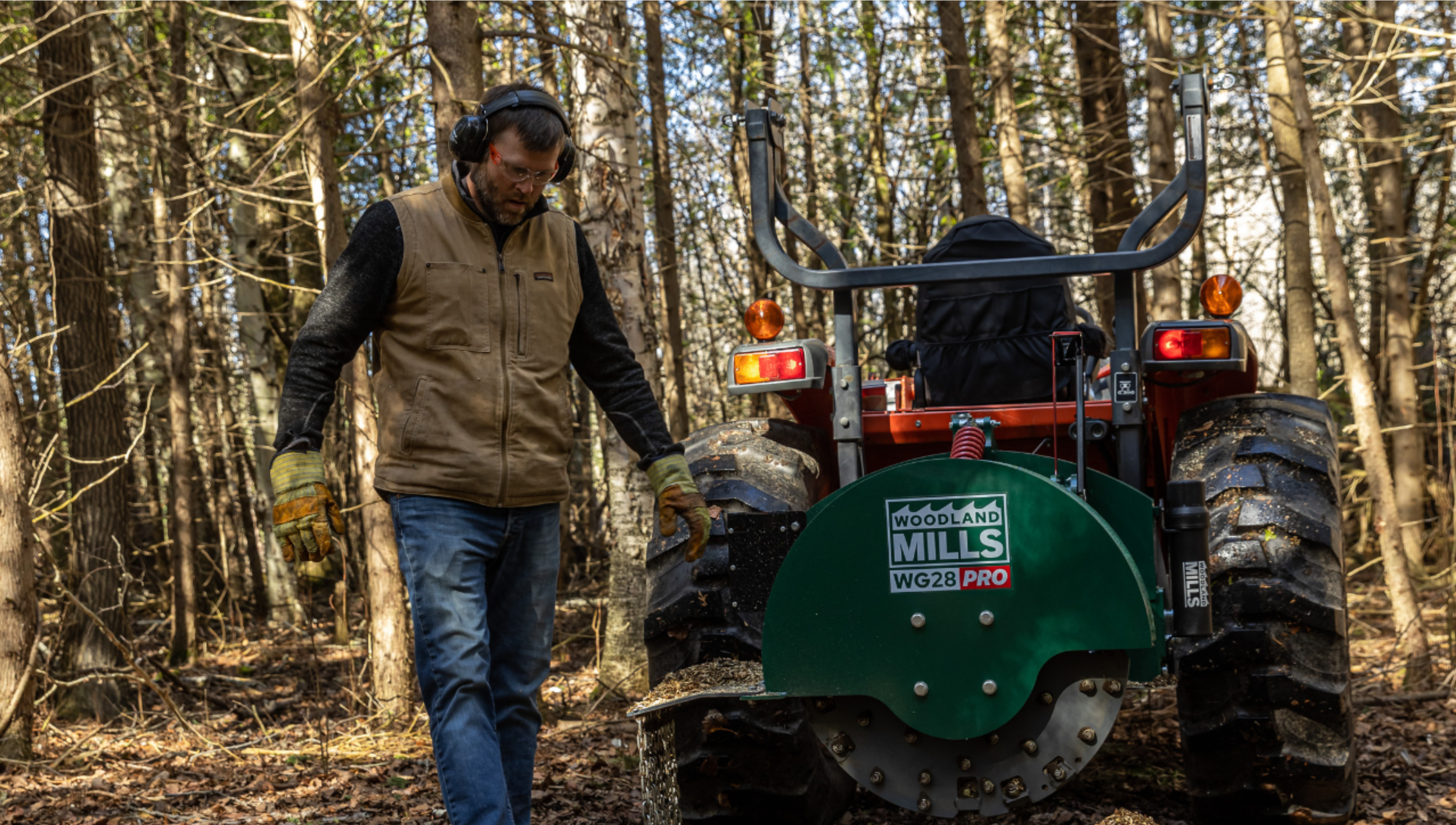
While professional services are readily available, though costs can escalate if used long-term. Purchasing your own stump grinder may offer better value if used enough. A quality stump grinder like the Woodland Mills WG28 PRO requires an upfront investment, but if you're saving $100-250 per stump over paying a tree service, that means you could break even after just 8-12 tree stumps.
Prices can vary considerably based on where you live and what companies are offering stump grinding services, so make sure to research what is available in your local area to find out the best prices.
But this comprehensive guide will also help you understand all the options available for your stump removal project.
What is stump grinding?
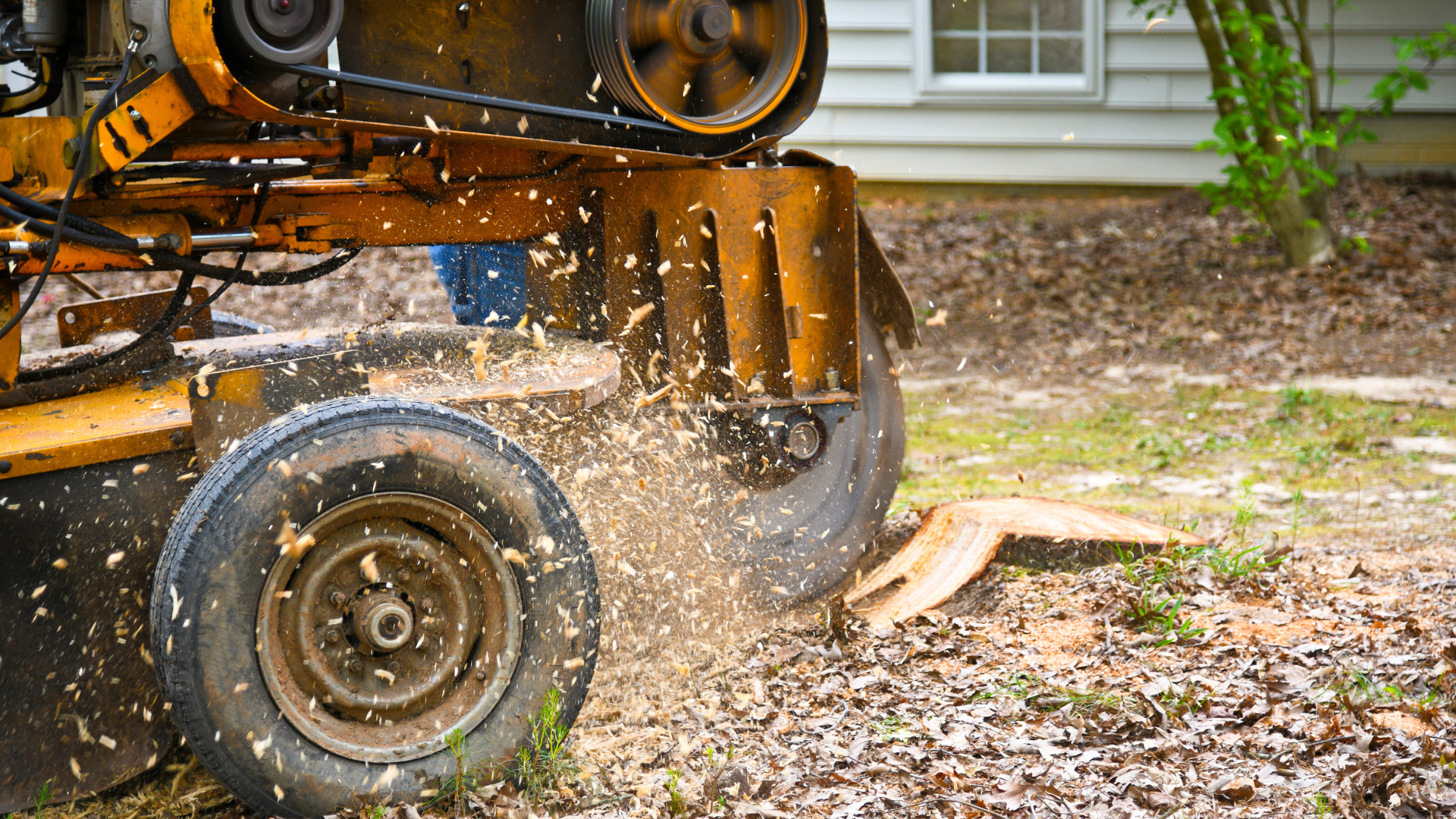
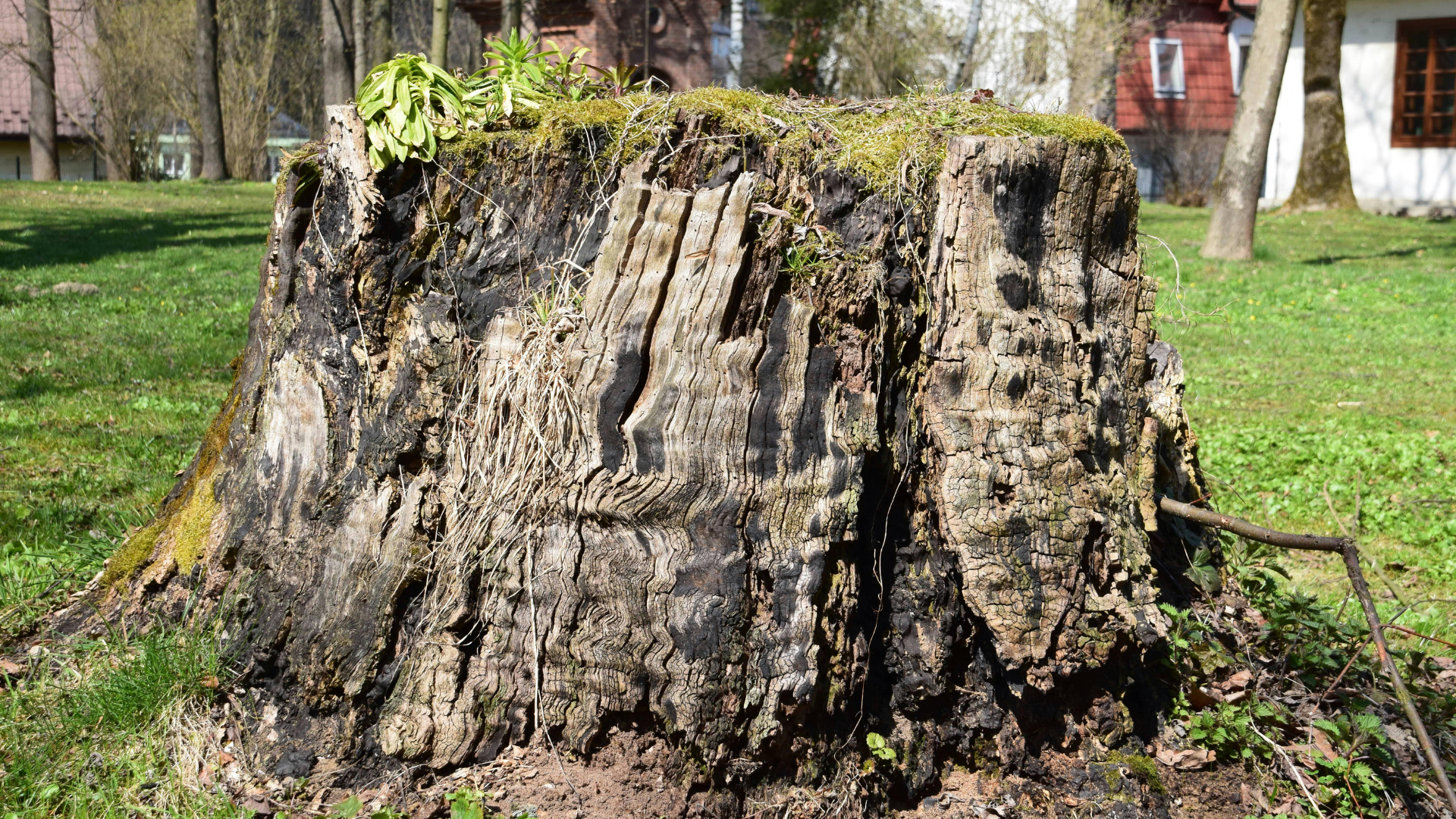
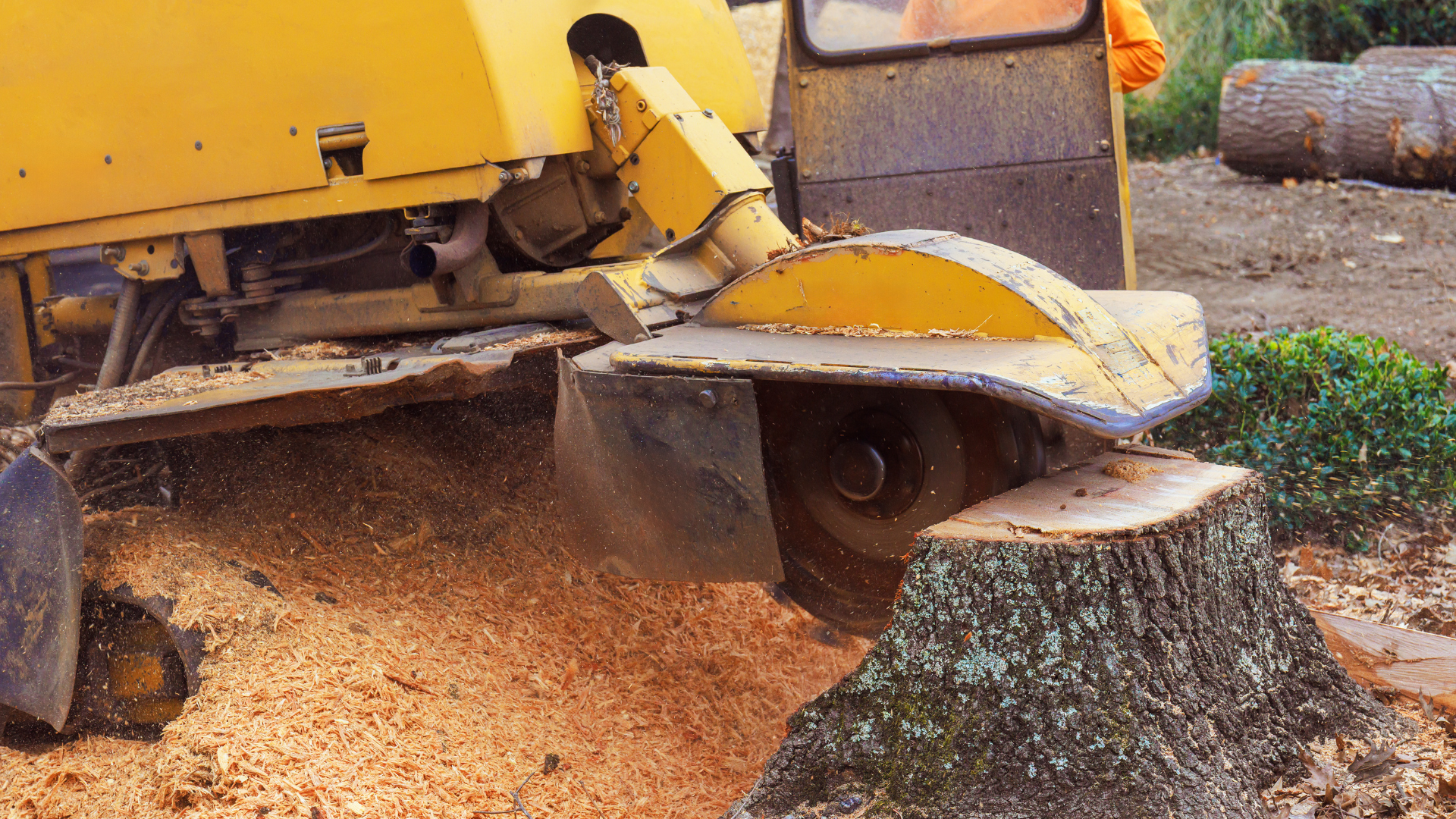
Stump grinding is a specialized process that uses mechanical equipment to remove tree stumps by grinding them down below ground level. Unlike complete stump removal, which extracts the entire root system, tree stump grinding focuses on eliminating the visible portion of the stump and the immediate root system immediately beneath it, leaving the deeper roots to decompose naturally.
The stump grinding process is generally a part of the larger tree removal process. Some companies will offer it as part of their overall services alongside tree trimming, but not every tree care service does. While you don't necessarily have to remove the tree stump after felling a tree, it does help to maintain the aesthetic of your property by getting rid of unsightly stumps.
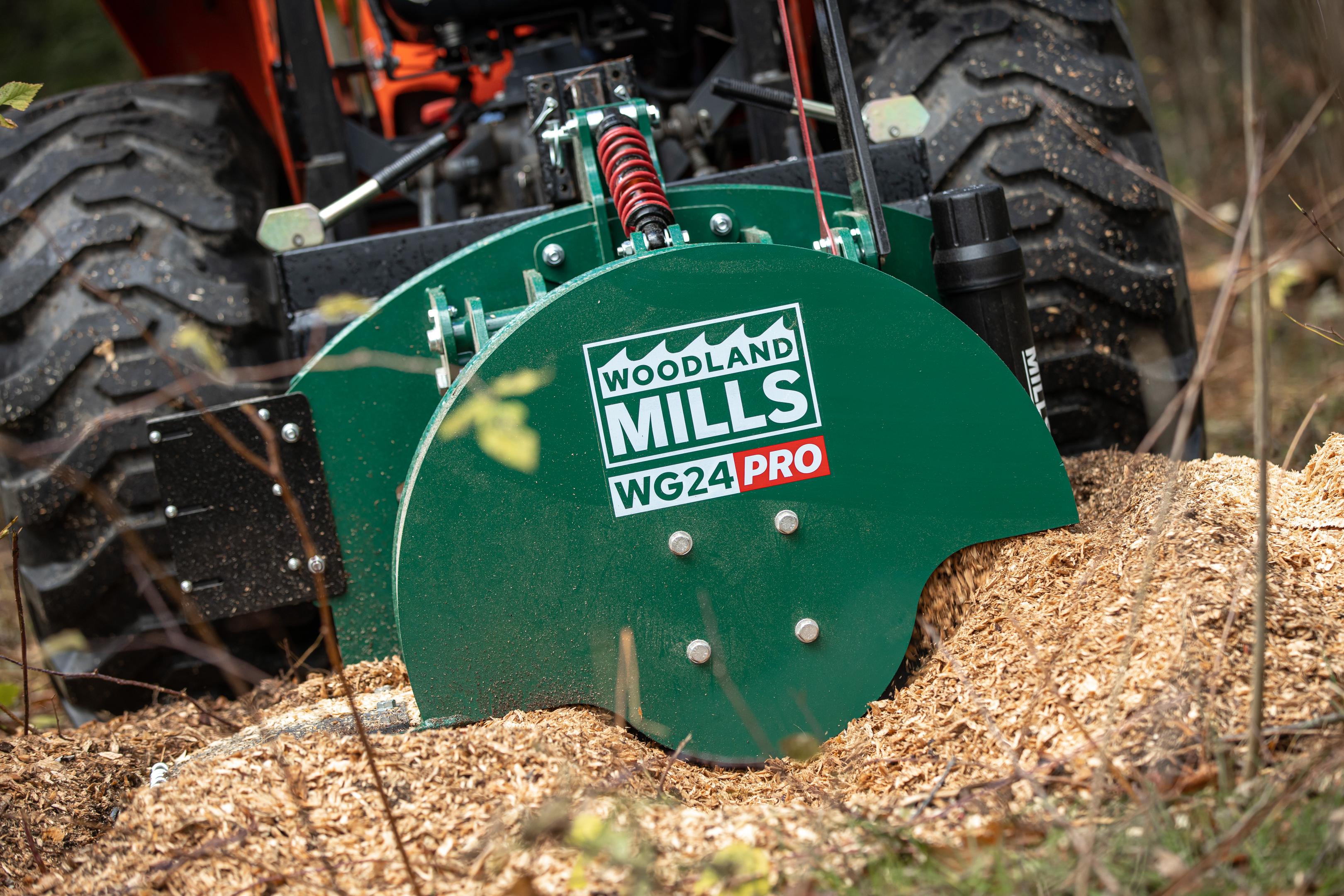
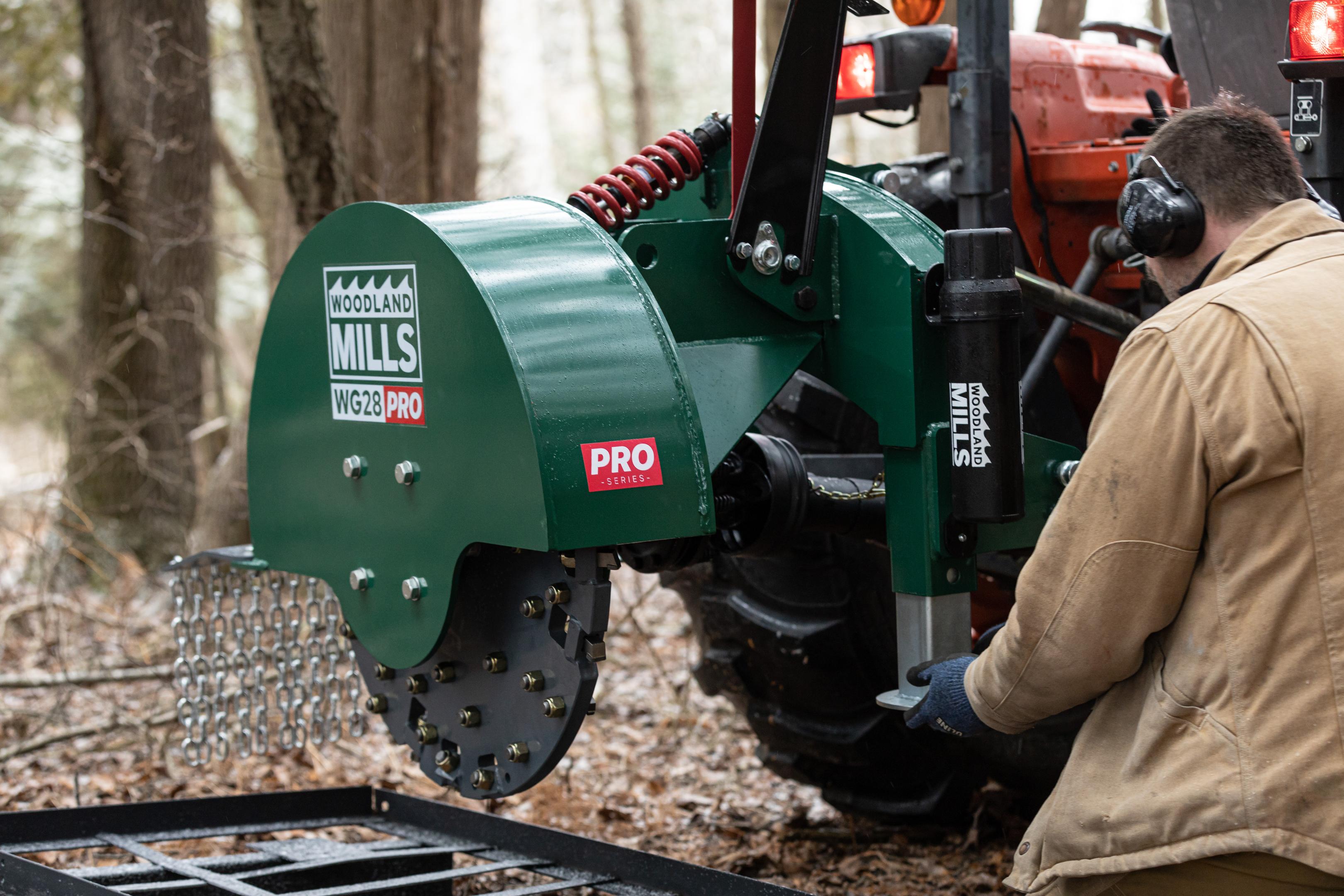
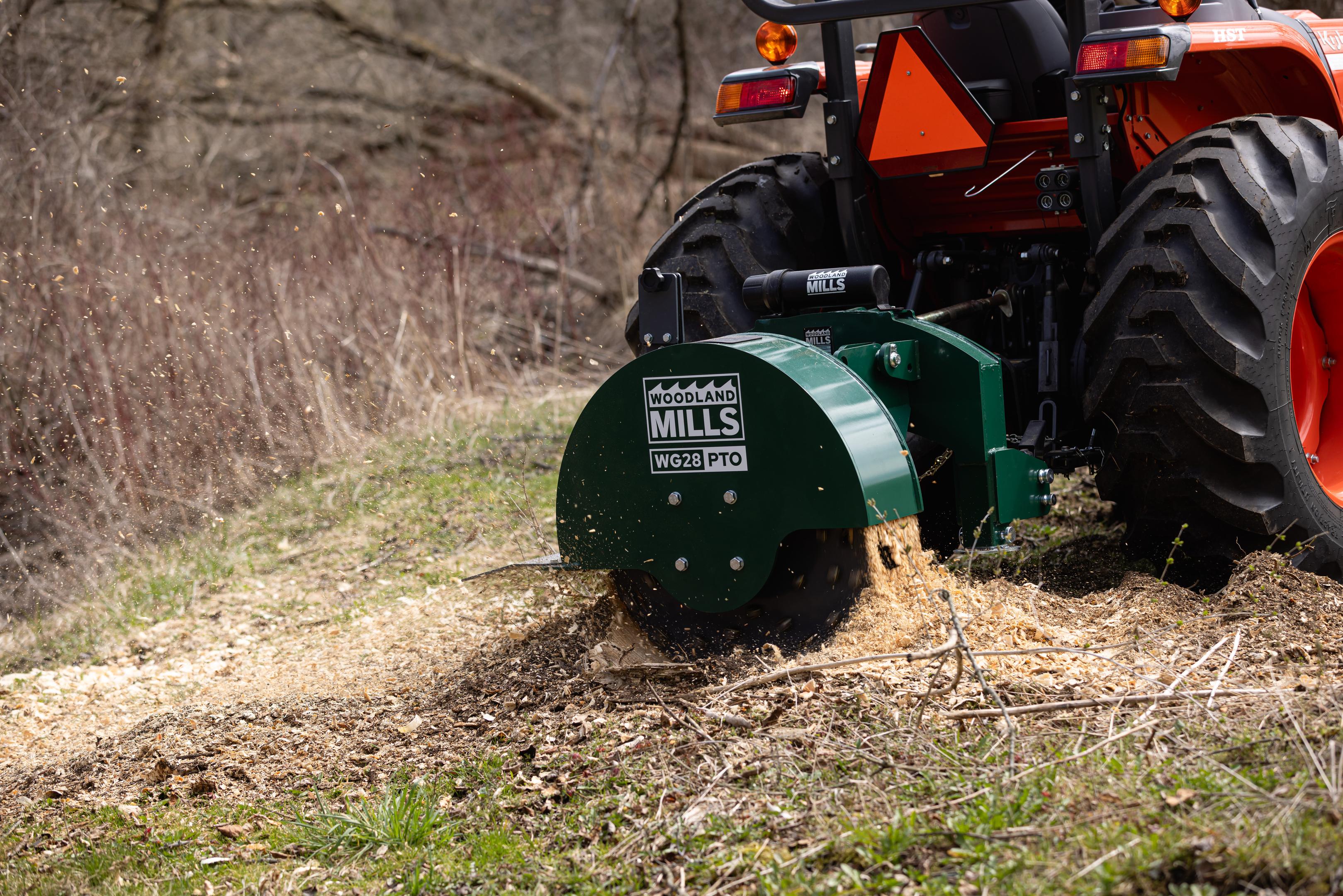
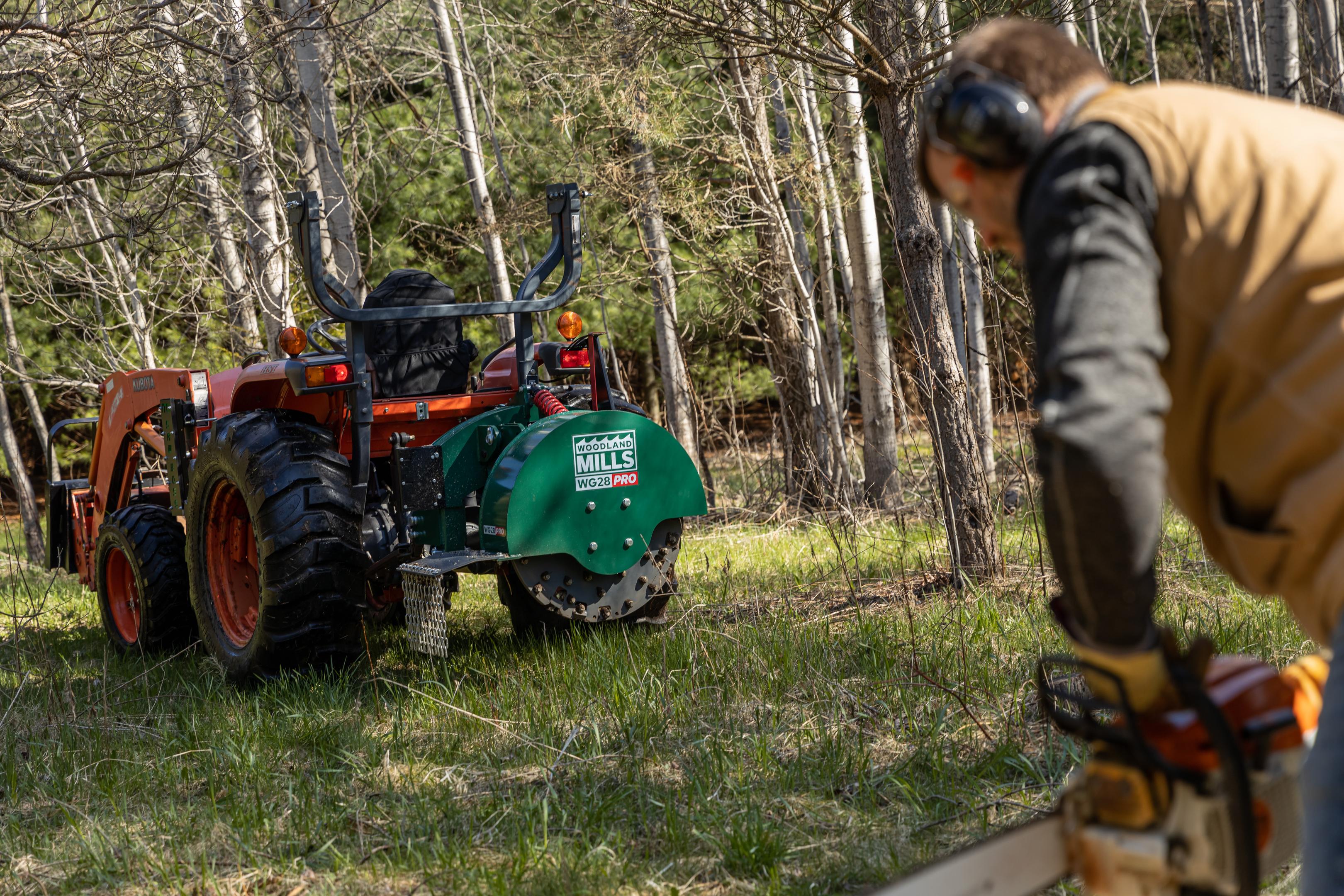
Many landowners own a PTO stump grinder that attaches to their tractor, and allows them to grind their own stumps, letting them handle tree removal and land management tasks on their own.
Why Do I Need to Remove the Tree Stump?
Tree removal is a natural part of land management, but many landowners are left holding the bag when it comes to stump removal. In fact, while some tree removal services offer stump removal, others don't. That means even if you pay for a professional to remove a tree, you still may be tasked with dealing with the stump.
Stumps can also cause a number of issues for property owners:
-
-
Creating unnecessary tripping hazards
-
Rotting stumps can invite pests and rodents
-
Affect the overall aesthetics of your property, impacting property values
-
Removing stumps frees up land for future uses
-
That's why whether you own a tractor capable of equipping a PTO stump grinder, or pay a tree service for stump removal, it's a smart idea to consider the whole process and how to deal with your stumps.
A comparison: stump grinding vs. stump removal
While these two terms may seem the same, they actually define two slightly different forms of tackling stumps.
Stump grinding:
-
-
Focuses on above-ground portion
-
Faster completion time
-
More cost-effective
-
Minimal root removal
-
Complete stump removal:
-
-
Removes entire root system
-
More extensive excavation
-
Higher labour costs
-
Better for future construction
-
In most cases basic stump grinding is the most effective solution, as roots 6-8 inches below the surface will naturally decay over time and join the soil base. But if you want the complete root system gone then you'd be looking at stump removal over just grinding.
What factors influence stump grinding costs?
Stump grinding ranges in price depending on whether you are doing it yourself or paying someone else to do it, as well as how you plan on removing the stump.
There are four key factors that influence the cost of stump grinding. Those factors are stump size, tree species, root complexity and site conditions. A stump removal professional will take all of these factors into account to calculate the cost of your stump grinding project.
For Professional Stump Grinding Services
Stump size significantly impacts stump grinding cost:
-
-
Small stumps (under 12 inches): $100-150
-
Medium stumps (12-24 inches): $150-300
-
Large stumps (over 24 inches): $300-700
-
Some tree services charge $2 to $5 per inch, while others charge a flat rate per stump. Always confirm the rate before agreeing to any service.
Additional complications may also add to further fees, such as:
-
-
Surface roots: Additional $50-100
-
Deep root systems: $150-350 extra
-
Extensive lateral roots: May increase cost by 25-50%
-
Root removal services: Additional $150-200 per hour
-
Site conditions also affect stump grinding prices:
-
-
Fence-line stumps: 20-50% premium
-
Hillside locations: Additional $50-100
-
Near structures: Higher cost due to careful operation or requiring specialized equipment
-
While all of these may impact the cost per stump, many tree services will offer discounted rates for grinding multiple stumps.
For Grinding Your Own Stumps
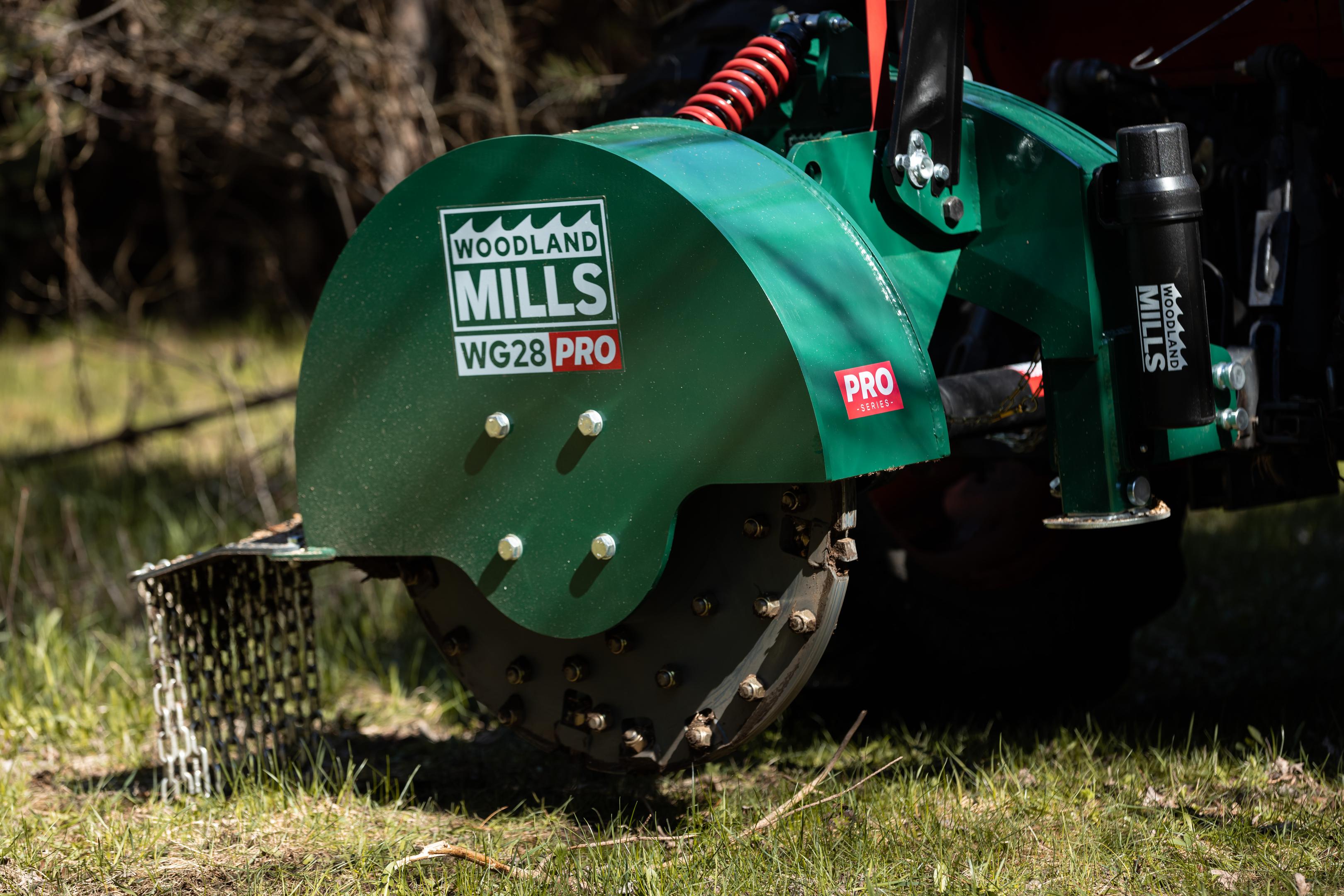
Purchasing equipment like a PTO stump grinder, such as the WG24 PRO or WG28 PRO, requires an upfront cost, but that means the cost per stump is potentially lower overall compared to paying for professional stump removal.
For example, if the average cost of a stump grinder is roughly $3,200, here's how that breaks down over multiple jobs.
-
-
10 Stumps: $320 per stump
-
20 Stumps: $160 per stump
-
30 Stumps: $106 per stump
-
40 Stumps: $80 per stump
-
As you can see, when you buy your own equipment, your total cost per stump goes down the more you use it. That means buying your own equipment makes the most sense if you intend to use it more often, but even a handful of stump grindings per year during clean-up season can often justify the cost.
Average cost of stump grinding
What are the national average costs related to paying for stump grinding services? Here's a range of prices that it could cost:
National average cost
-
-
Typical range: $175-475 per stump
-
National average: $325
-
Minimum charge: Usually $100-150
-
Most homeowners spend: $250-350
-
Cost per stump
-
-
Basic grinding: $2-4 per inch of diameter
-
Standard stump: $175-400
-
Multiple stump discount: 10-20% off each additional stump
-
Minimum service fee: $100-150
-
Premium for difficult access: $50-100 extra
-
Cost per diameter inch
-
-
Small diameter (up to 12"): $2-3 per inch
-
Medium diameter (12-24"): $3-4 per inch
-
Large diameter (24"+): $4-5 per inch
-
Extra-large stumps: Custom pricing
-
Additional costs to consider
While stump removal is its own cost, there are other land management tasks that you can handle on your own, or hand off to professionals. Here are a few of the other costs you may face.
Debris removal
-
-
Basic cleanup: If you offer to fill in the hole post-grinding, that may add up to $50 to $100 or more, as well as additional landscaping costs if you want the area sodded or seaded. Handling this yourself can save you a lot of money, especially if you use the stump grindings as in-fill material.
-
Hauling services: Most tree care companies offering stump grinding will include removal of the debris as part of their services. If you want to handle this yourself, a multipurpose ATV trailer like the Pathlander or Multilander may be helpful.
-
-
-
Site preparation: If an area is troublesome to get to, and requires prep time in advance, prepare for that to be reflected in your final cost. For paid stump removal services, this can get expensive quickly, but for doing it yourself, you're trading time and effort for reduced costs.
-
Landscaping after grinding
-
-
Soil filling: You could fill in the hole yourself, or pay a professional stump grinding service to do it for you, the choice is yours.
-
Grass seeding: If you're wanting a pristine lawn afterwards, prepare to add that to your costs.
-
Topsoil: You may also need additional soil in order to fill in the hole or level it with the rest of your landscape, so take this cost into account ahead of time.
-
Lawn repair: Stump grinding should be mostly harmless to your lawn, and any damage to the grass should regenerate over time, but if you want it looking its best right way, that will impact the cost of the job.
-
Tips for reducing stump grinding costs
Looking for ways to reduce your overall stump grinding costs? Whether you're doing stump grinding on your own or are paying for a service to do it for you, here are some recommended tips.
For Grinding Your Own Stumps
Calculate your total stump removal needs over the next few years. If professional services would cost more than $3,000 (typically 8-10 stumps at average rates), you may want to consider the merits of owning your own PTO stump grinding equipment.
Some tips for reducing these costs include:
-
-
Grind More: The more stumps you tackle, the lower your overall cost per stump. Stump grinders are great for landowners who make occasional use of them, but you really find the cost savings when you use them frequently. Factor this in when considering the value of a stump grinder to your property.
-
Find Efficiency: Grinding stumps infrequently means pulling your equipment from your shed and barn and that takes time, effort and fuel. If you can process multiple stumps in one afternoon, you can make more efficient use of your time, saving you money. Older, softer stumps are also faster to grind, so waiting for them to age is also a smart idea.
-
Grinder-for-Hire: An easy way to recoup your investment, or even make a profit, is to hire yourself out to neighbors and friends who also need stump grinding done. Charging a hundred bucks or more per stump makes for a great deal for them, while letting you recover your equipment costs... and then some.
-
For Paying for Stump Grinding Services
-
-
Bundle services: You can save money by combining tree removal with stump grinding, or booking services for multiple stump removal on lot clearing projects.
-
Seasonal Discounts: Also take advantage of off-peak pricing. Winter rates tend to be 10-20% lower than summer rates, and spring cleanup specials, end-of-season deals and package pricing are often available.
-
Choosing the best stump grinder for your needs
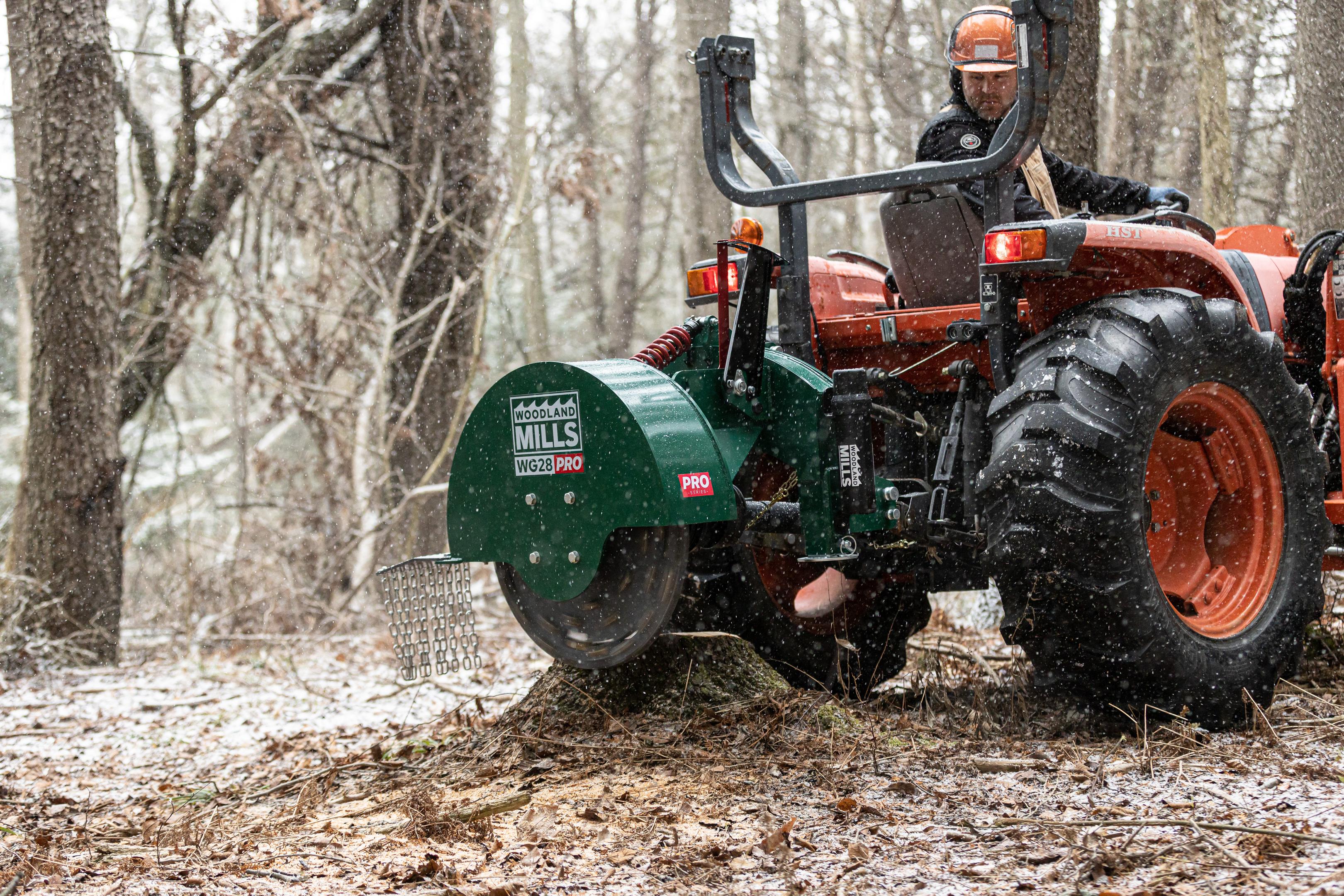
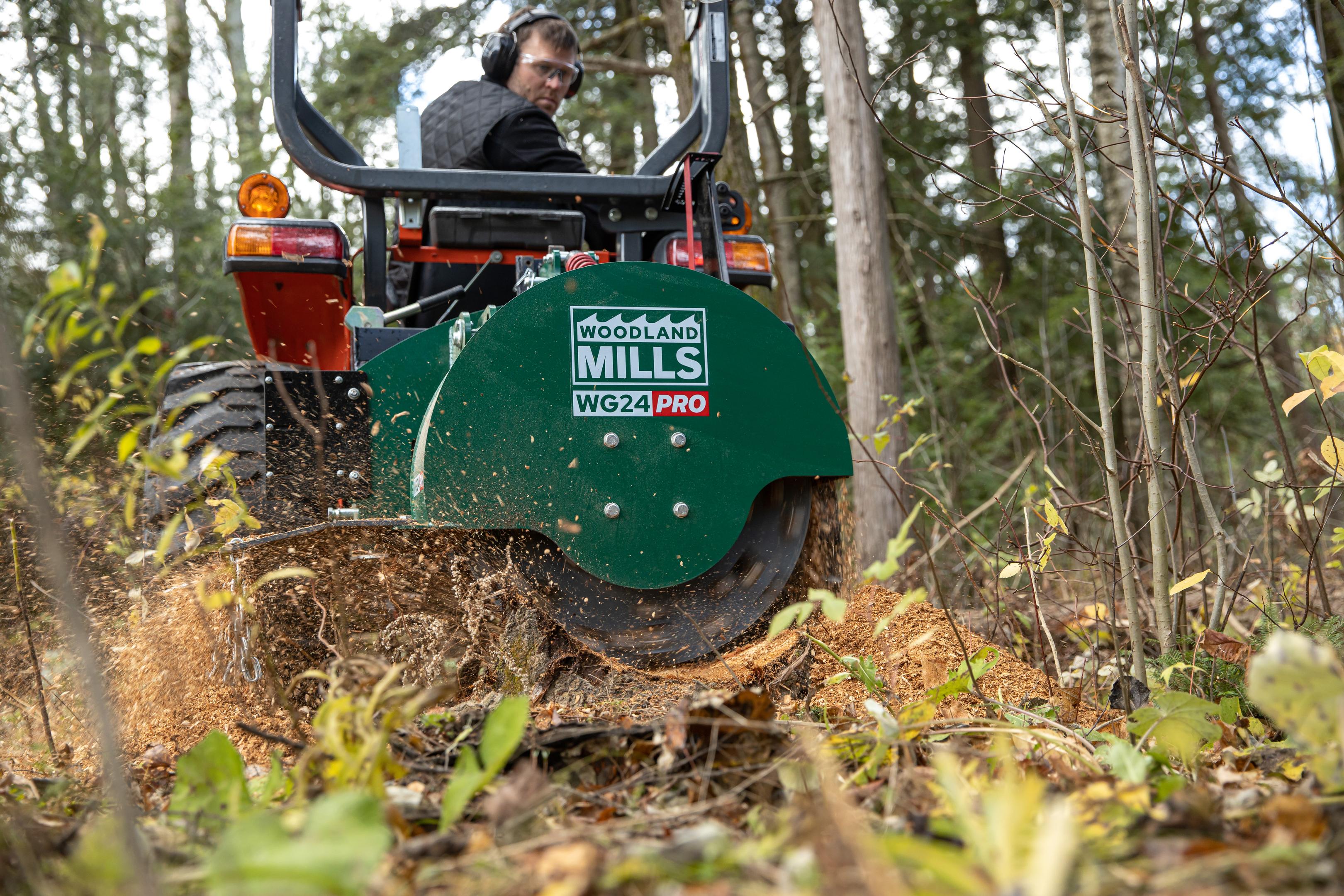
If you choose to buy your own stump grinder, a PTO-driven model offers exceptional value. PTO models use the power from your tractor to handle both large and small stumps efficiently, making them particularly valuable for properties requiring multiple removals. Their robust design and reliable performance make them a favorite with landowners who regularly tackle stump grinding projects.
While the grinding disc and specs for the WG24 and WG28, as well as their shock-absorber equipped PRO versions, differ, the main factor affecting which stump grinder is best for you is compatibility with your tractor. Check your tractor's horsepower output at the PTO, then get the largest device for it that makes the most of your engine power. That will give you the greatest ability to grind larger stumps faster.
What's Different about Woodland Mills PRO Stump Grinders?
The WG24 PRO and WG28 PRO build on Woodland Mills' standard PTO stump grinder designs with features intended to make each grinding pass smoother and easier to control.
The main difference is Woodland Mills' patent-pending shock absorption system. Resistance changes as the grinding wheel moves through hard wood, soft material, roots and irregular sections of a stump. That changing resistance can transfer movement through the attachment and into the tractor's three-point hitch.
The PRO system helps manage that movement by applying more even and consistent pressure during the cut. It also helps prevent kickback, creating a smoother and more controlled grinding motion. Both PRO models include a go/no-go visual indicator that can be seen from the tractor seat, helping the operator keep the grinder within its intended working range while controlling tractor speed.
What Stump Grinder Accessories and Forestry Equipment May Be Helpful?
A stump grinder handles one stage of tree removal. Accessories can help protect and maintain the machine, while other forestry equipment can process and move the remaining material.
Stump Grinder Accessories
Useful stump grinder parts and accessories include:
-
-
Tungsten Carbide Teeth: Woodland Mills grinding teeth can be resharpened, while replacement sets allow worn or damaged teeth to be changed as needed
-
Custom-Fitted Stump Grinder Cover: A fitted cover helps protect the grinder from rain, dust and debris while it is stored
-
QA10 Three-Point Quick Hitch: A compatible quick hitch can reduce the time spent connecting and removing three-point attachment
-
Confirm compatibility with your stump grinder and tractor before ordering any hitch, PTO component or replacement part.
Other Forestry Equipment
Consider how the stump grinder fits into the complete tree-removal process:
-
-
Wood Chipper: A Woodland Mills wood chipper can process suitable branches and tree trimmings produced before the stump is ground
-
Portable Sawmill: Straight, sound trunk sections may be converted into useful lumber with a portable sawmill instead of becoming waste
-
Log Splitter: Suitable trunk sections can also be bucked into rounds and processed into firewood with the LS218 two-way log splitter
-
ATV Trailer: A Pathlander or Multilander can move tools, topsoil, wood chips and stump grindings around the property
-
These machines perform different jobs, so the right combination depends on whether you plan to produce lumber, make firewood, process branches, reuse grindings or complete the entire tree-removal workflow yourself.
Why Do Landowners Trust Woodland Mills' Stump Grinders?
Stump grinding places repeated loads on the grinding wheel, teeth and tractor connection. Strong construction, proper tractor compatibility and access to replacement parts all matter when selecting equipment for recurring property-maintenance work.
Woodland Mills works directly with customers when they are comparing stump grinders, confirming tractor requirements, assembling a new machine or ordering maintenance parts. Product owners also regularly mention rugged construction, straightforward operation and helpful customer service in their reviews and testimonials.
Landowners can also learn from other equipment owners through the Woodland Mills Product Owners and Community Facebook Group. Members share tractor setups, stump grinding experience, maintenance advice and land-clearing projects, giving prospective owners another source of practical information before choosing their equipment.
FAQ: Frequently Asked Questions
Q: What maintenance does a PTO stump grinder require?
A: Routine maintenance includes inspecting the grinding teeth and fasteners, lubricating the specified points and looking for wear or damage before operation. Store the grinder in a protected location or use a fitted cover when practical.
Follow the maintenance schedule and safety procedures in the manual supplied with your specific Woodland Mills stump grinder and you can effortlessly grind with confidence.
Q: Is it cheaper to grind or remove a stump?
Stump grinding is typically more cost-effective than complete stump removal. While grinding costs average $175-475, complete stump removal can cost $300-1,000 because of the extensive work required to remove the entire root system. Grinding is usually sufficient, unless you're planning new construction in the area.
Q: How long does it take to grind a 24-inch stump?
A professional stump grinding service typically won't take long to remove a stump, though the actual time needed can vary based on several conditions. The hardness of the wood plays a role in grinding time, with softer, aged woods processing more quickly than dense, fresh hardwoods. The complexity of the root system can also extend the job. With your own stump grinder, depending on the size of the stump, you can easily get rid of a pesky stump within an hour.
Local ground conditions impact grinding efficiency, and rocky soil or challenging terrain can slow the process considerably. Access to the stump location affects setup time and maneuverability, because restricted access requires additional preparation and careful equipment positioning.
So it's hard to say, but tackling the job yourself can often help get it done faster than waiting for a tree service to getting around to doing it.
Q: How quickly can I recoup my investment in a stump grinder?
With professional services charging $300 or more per stump, plus travel fees, you could recover your initial investment of $2,500-3,500 after grinding 8-12 stumps. If you maintain the equipment properly, it could provide years of value and even generate additional income by helping neighbors with their stump removal needs.
Q: What if I want to offer stump grinding as a side business?
The benefit of owning your own stump grinder is that you can offer stump grinding services to your friends, family, neighbors and customers and help recoup the cost of your machine, and potentially make a profit.
You could offer stump grinding as its own stand alone service, or if you have the equipment and expertise, offer to take care of the whole tree removal process entirely. Make sure you are following all local laws about tree and stump grinding.
Join the Woodland Mills Community Facebook group. Search advice and insights from over 65,000 knowledgeable, supportive members.
- Pre-purchase considerations
- Sawmill set-up support
- Project inspiration photos and videos
- Community troubleshooting support